 English
 Español
 Deutsch
Content
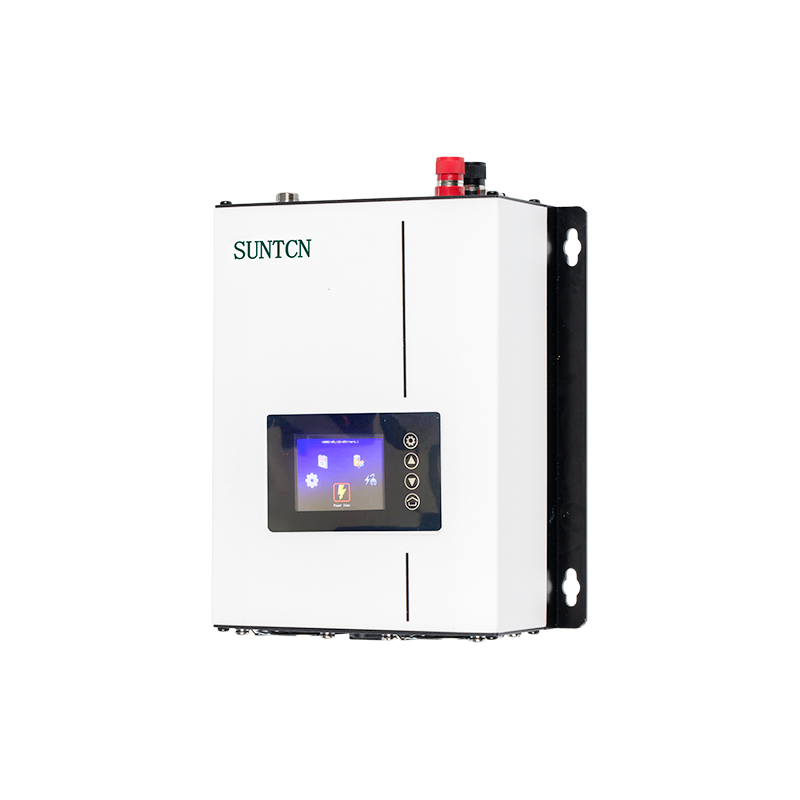
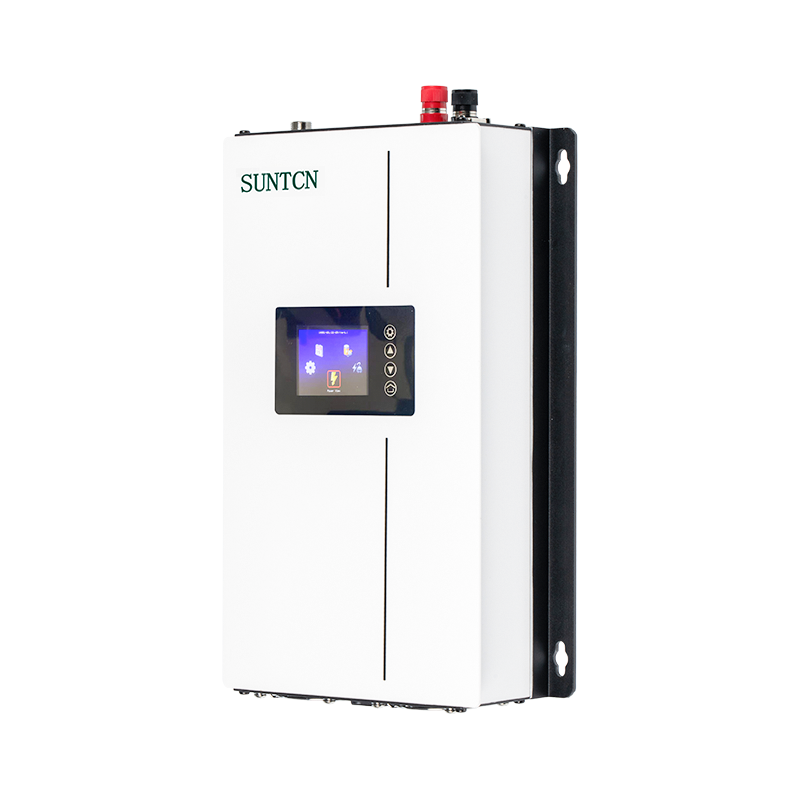
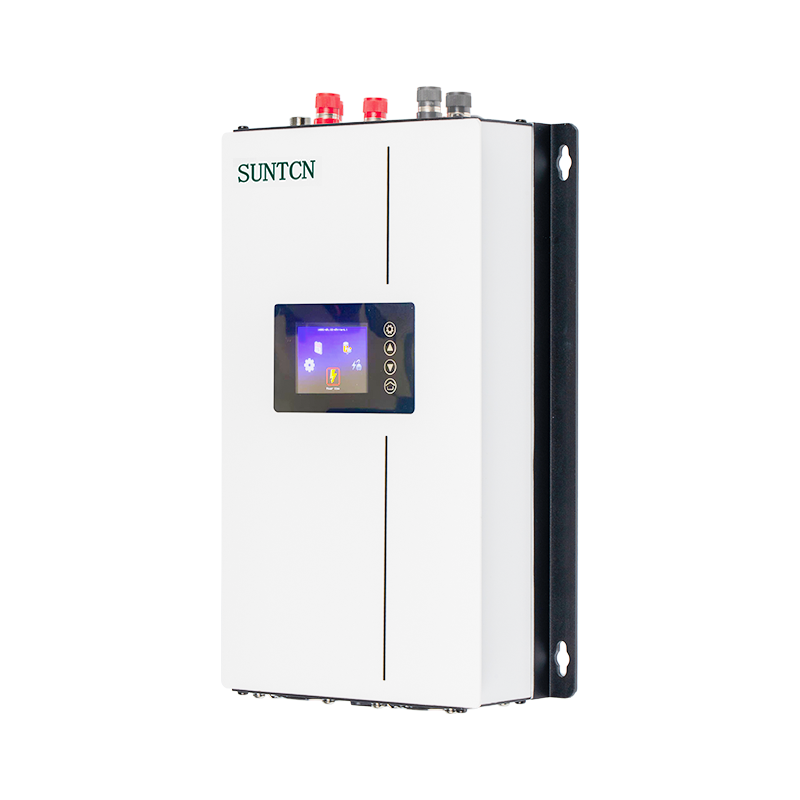
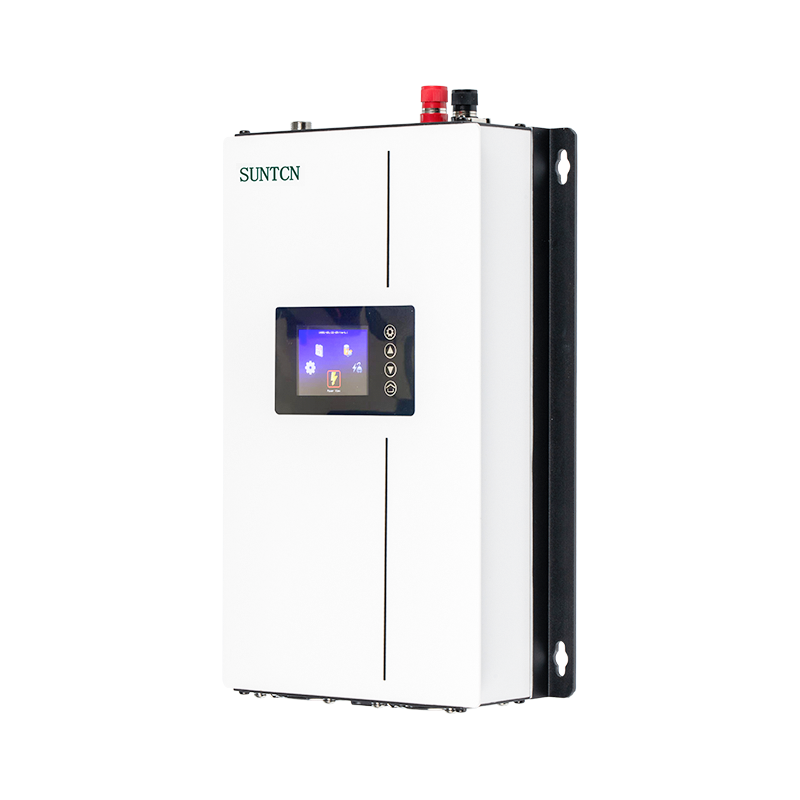
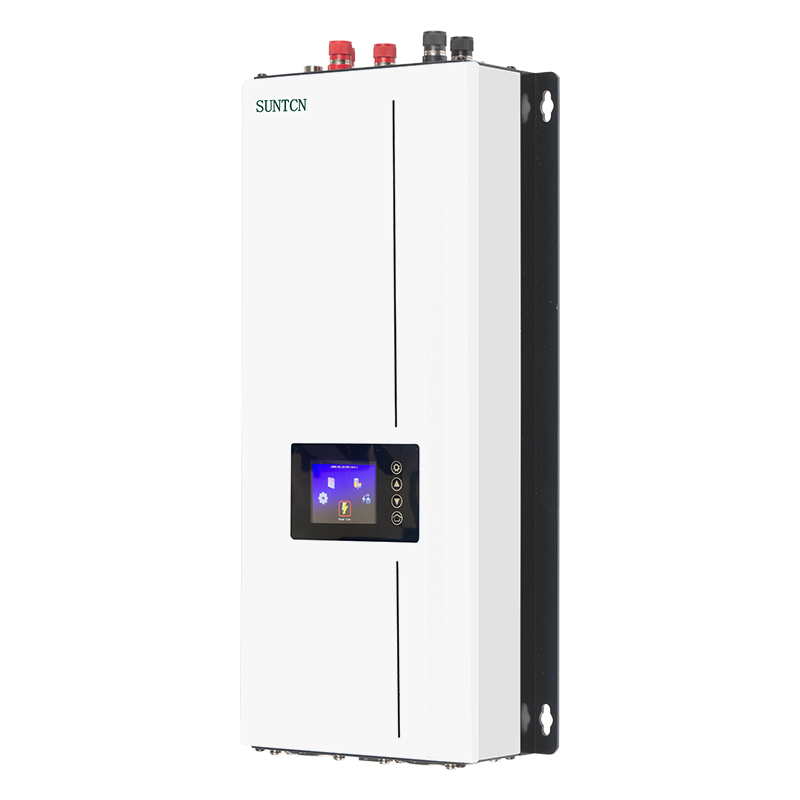
A three-phase hybrid inverter is a versatile device used in solar energy systems to convert DC power from solar panels into AC power suitable for homes, businesses, and the electrical grid. Unlike standard inverters, hybrid inverters can manage multiple power sources, including solar panels, batteries, and the utility grid, offering enhanced energy efficiency and reliability. These inverters are particularly popular in commercial and industrial applications where three-phase power is required for high-capacity loads.
By integrating solar energy conversion, battery storage, and grid management into a single unit, three-phase hybrid inverters simplify installation, reduce costs, and optimize power usage.
Core Components of Three-Phase Hybrid Inverters
Understanding the main components of a three-phase hybrid inverter is essential for proper selection, installation, and maintenance.
DC Input and MPPT Controllers
- The DC input receives energy from solar panels and batteries.
- Maximum Power Point Tracking (MPPT) controllers optimize energy harvest from solar panels under varying sunlight conditions.
Inverter Bridge and AC Output
- Converts DC power into three-phase AC power suitable for industrial or commercial applications.
- Ensures voltage and frequency stability to meet grid and load requirements.
Battery Management System (BMS)
- Monitors battery charge and discharge to optimize storage efficiency.
- Protects batteries from overcharging, deep discharge, and temperature extremes.
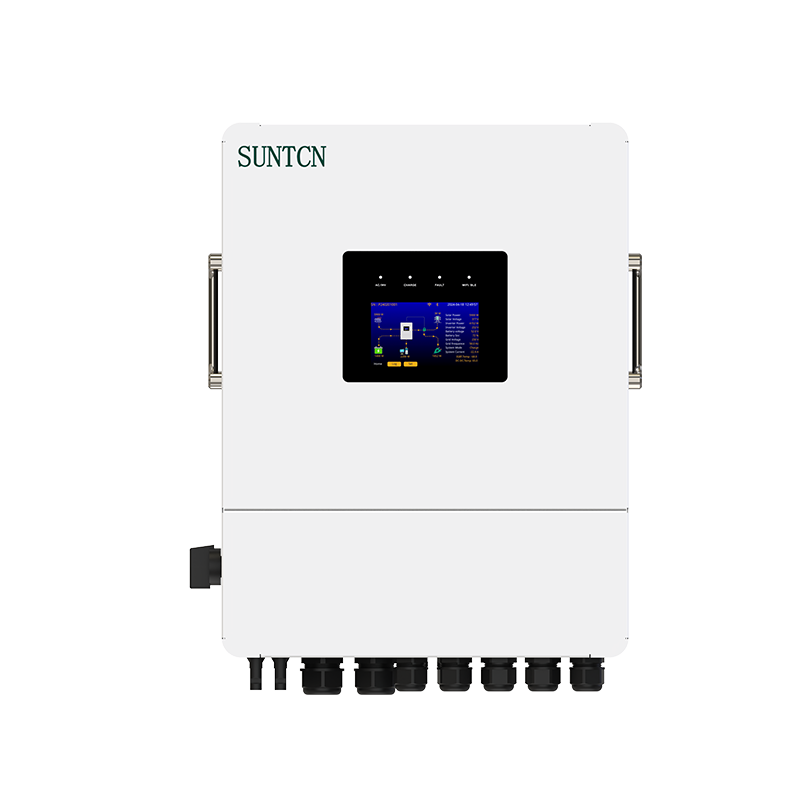
How Three-Phase Hybrid Inverters Work in Solar Systems
Three-phase hybrid inverters manage multiple power flows to provide reliable energy supply and maximize efficiency.
Solar Energy Conversion
Solar panels generate DC power, which is fed into the hybrid inverter. The MPPT controllers continuously track the operating point of each solar string to maximize energy harvest, even under partial shading or fluctuating sunlight.
Battery Storage Integration
Excess solar energy can be stored in batteries for later use. The inverter manages charging and discharging cycles based on energy demand, peak hours, and grid requirements. This ensures a stable energy supply and allows for load shifting to reduce electricity costs.
Grid Interaction and Load Management
Hybrid inverters can feed surplus energy into the utility grid or draw power when solar production is insufficient. Advanced models allow dynamic load management, prioritizing critical loads and optimizing energy usage to reduce utility bills and increase system resilience.
Applications of Three-Phase Hybrid Inverters
Three-phase hybrid inverters are suitable for a variety of applications that require reliable, high-capacity energy management.
Commercial Buildings
Large office buildings, shopping centers, and factories can benefit from hybrid inverters by integrating solar power with existing grid supply, reducing operational costs and carbon footprint.
Industrial Facilities
Industrial sites with high energy demand can use three-phase hybrid inverters to stabilize voltage, support heavy machinery, and integrate renewable energy sources efficiently.
Microgrids and Remote Locations
In remote or off-grid locations, hybrid inverters enable independent power systems that combine solar, battery, and backup generators to ensure continuous electricity supply.
Key Benefits of Three-Phase Hybrid Inverters
- Efficient energy conversion with high-quality three-phase AC output.
- Seamless integration of solar power, battery storage, and grid supply.
- Enhanced system reliability through load management and battery backup.
- Cost savings by solar self-consumption and minimizing peak electricity charges.
- Scalability for industrial, commercial, and microgrid applications.
Installation and Maintenance Considerations
Proper installation and maintenance ensure performance and longevity of three-phase hybrid inverters.
Installation Tips
- Ensure correct sizing based on total load and solar panel capacity.
- Install in a well-ventilated, dust-free environment to prevent overheating.
- Verify proper grounding and electrical connections according to local regulations.
Maintenance Recommendations
- Regularly inspect for dust, dirt, or moisture that may affect cooling and electronics.
- Monitor performance metrics and battery health through the inverter’s display or software.
- Schedule professional servicing for firmware updates and component checks.
Conclusion
Three-phase hybrid inverters are essential for modern solar energy systems, providing efficient DC-to-AC conversion, seamless battery integration, and reliable grid interaction. They are ideal for commercial, industrial, and remote applications, delivering energy efficiency, system reliability, and cost savings. Understanding their components, functionality, applications, and maintenance ensures performance and long-term benefits for any solar-powered system.