 English
 Español
 Deutsch
Content
- 1 Introduction to All-Round Hybrid Inverters
- 2 Energy Efficiency and Optimization
- 3 Energy Storage Capability
- 4 Versatility and Multi-Source Integration
- 5 Backup Power and Reliability
- 6 Cost Savings and Return on Investment
- 7 Advanced Monitoring and Smart Features
- 8 Environmental Benefits
- 9 Comparison Table: Hybrid vs Traditional Solar Inverters
- 10 Applications in Homes and Businesses
- 11 Conclusion
Introduction to All-Round Hybrid Inverters
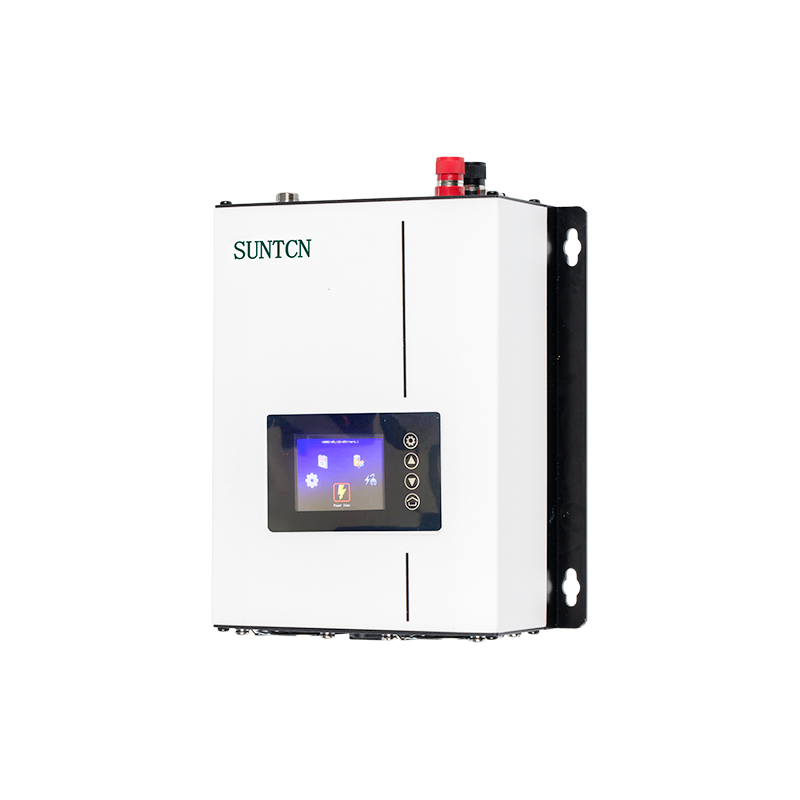
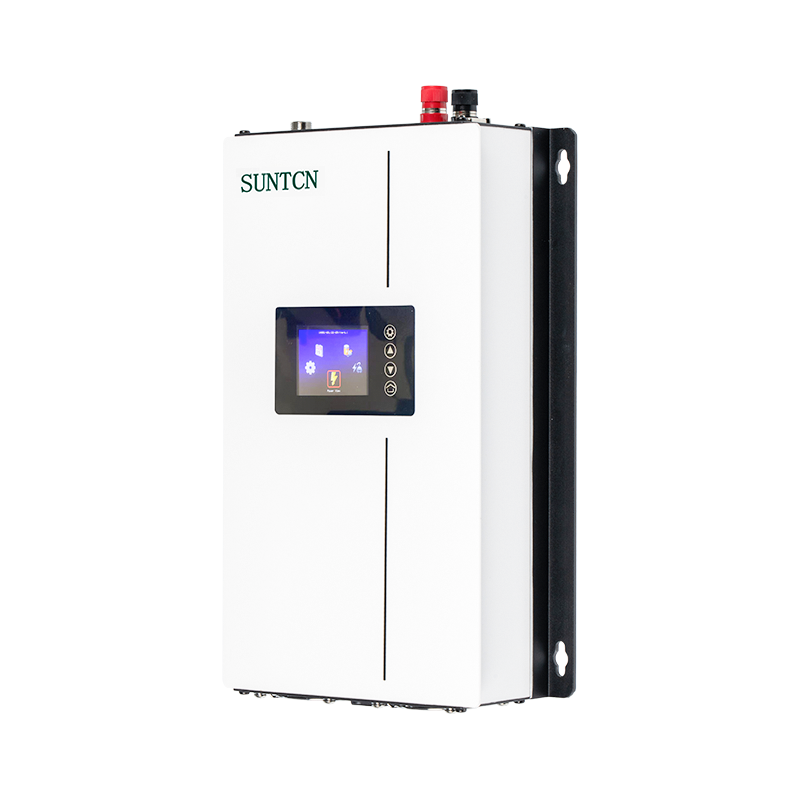
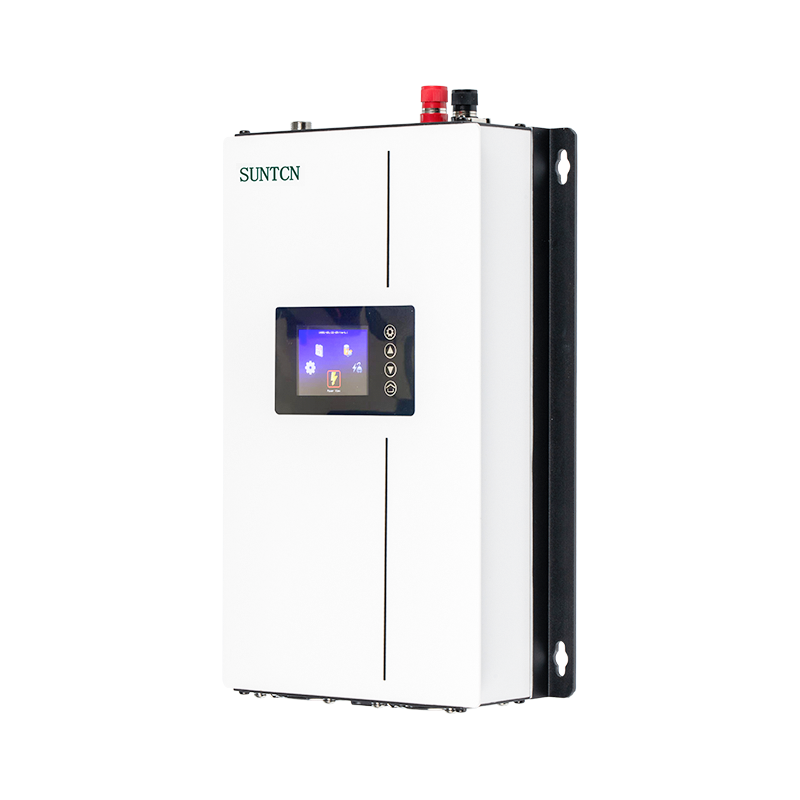
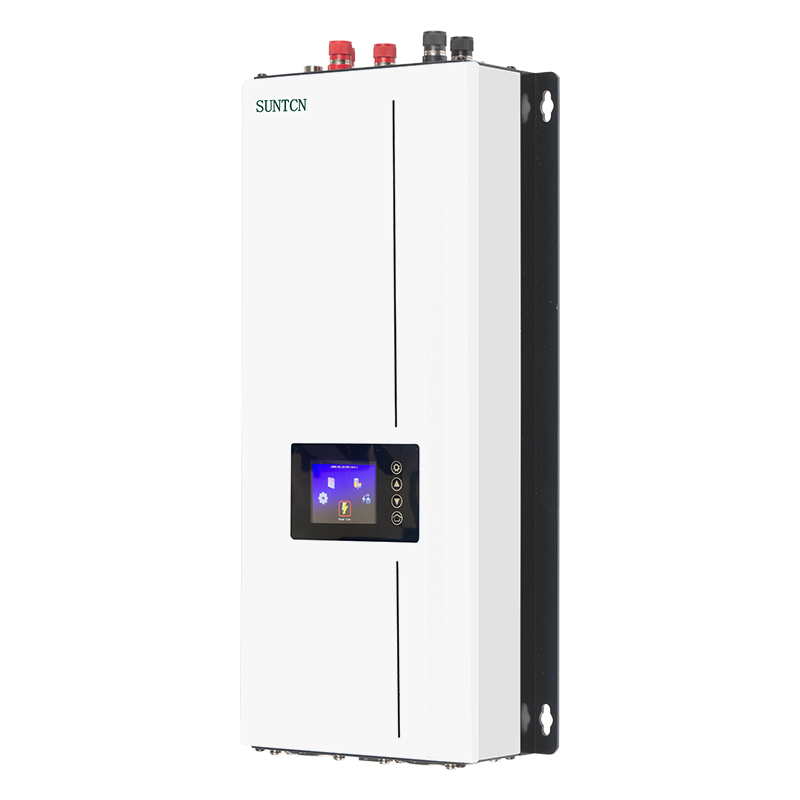
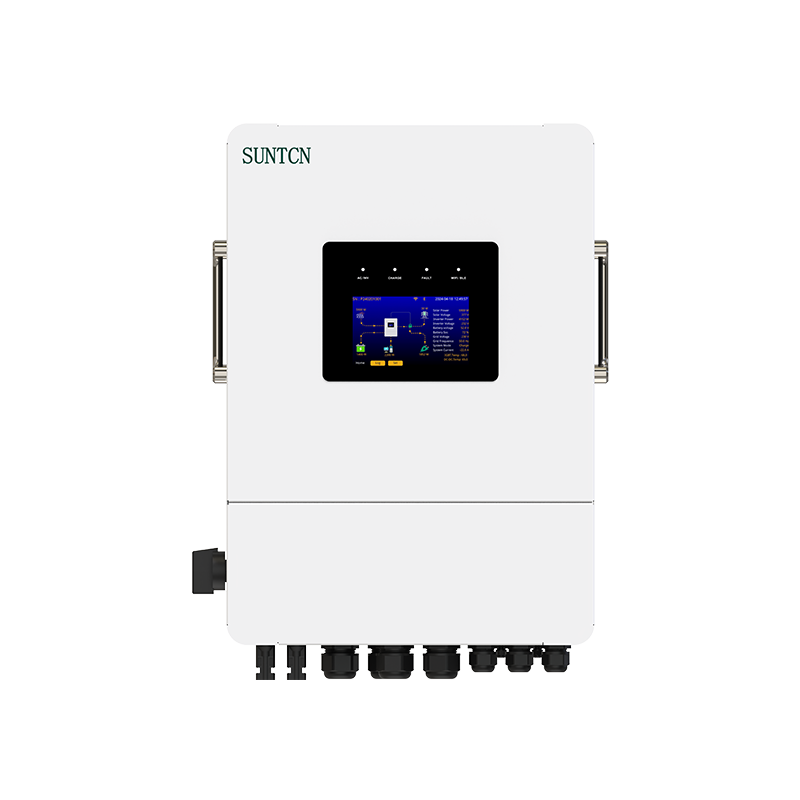
All-round hybrid inverters are advanced energy devices that integrate solar power, battery storage, and grid electricity management into a single, versatile unit. Unlike traditional solar inverters, which primarily convert DC electricity from solar panels to AC for immediate use, hybrid inverters can store excess energy in batteries, supply power during outages, and optimize electricity consumption for efficiency.
With the growing adoption of renewable energy solutions, hybrid inverters have become a popular choice for homeowners and businesses seeking greater control, energy independence, and cost savings. Understanding their advantages compared to traditional inverters is key to making an informed investment in solar technology.
Energy Efficiency and Optimization
One of the main advantages of all-round hybrid inverters is their ability to optimize energy usage. These inverters intelligently manage electricity from multiple sources—solar panels, batteries, and the utility grid—to reduce energy wastage and lower electricity bills.
They can prioritize self-consumption of solar energy, store surplus power for later use, or export it to the grid when economically beneficial. This dynamic energy management improves overall efficiency and reduces reliance on the grid compared to traditional inverters, which do not incorporate storage or energy optimization features.
Energy Storage Capability
Unlike traditional solar inverters, which immediately convert solar energy to AC without storing excess power, hybrid inverters integrate battery storage. This feature allows users to save unused solar energy for nighttime use or during periods of low sunlight.
Battery integration ensures that households and businesses can maintain energy supply during grid outages, providing backup power automatically. This capability is particularly valuable in regions with unstable electricity grids or frequent blackouts.
Versatility and Multi-Source Integration
All-round hybrid inverters can manage multiple energy sources seamlessly, including solar panels, batteries, and the utility grid. This multi-source integration allows users to switch between energy sources based on availability, cost, and demand.
In contrast, traditional inverters are limited to converting DC from solar panels to AC without energy storage or source prioritization. The hybrid approach ensures continuous power supply, flexibility in energy usage, and enhanced control over electricity consumption.
Backup Power and Reliability
All-round hybrid inverters provide inherent backup power functionality by utilizing stored energy from batteries. During grid failures, these inverters automatically switch to battery power, ensuring uninterrupted electricity supply to critical appliances and systems.
Traditional inverters, on the other hand, cannot supply backup power without additional components. For areas with frequent power outages, hybrid inverters enhance reliability and security, making them a choice for continuous energy needs.
Cost Savings and Return on Investment
Although hybrid inverters often have a higher initial cost than traditional inverters, their energy optimization and storage capabilities to substantial long-term savings. By self-consumption of solar energy and reducing grid dependence, users can significantly lower electricity bills.
Furthermore, in regions with net metering policies, hybrid inverters enable users to store energy for later use or export it to the grid, generating potential income and enhancing return on investment. Traditional inverters, lacking storage and intelligent management, cannot achieve the same level of cost efficiency.
Advanced Monitoring and Smart Features
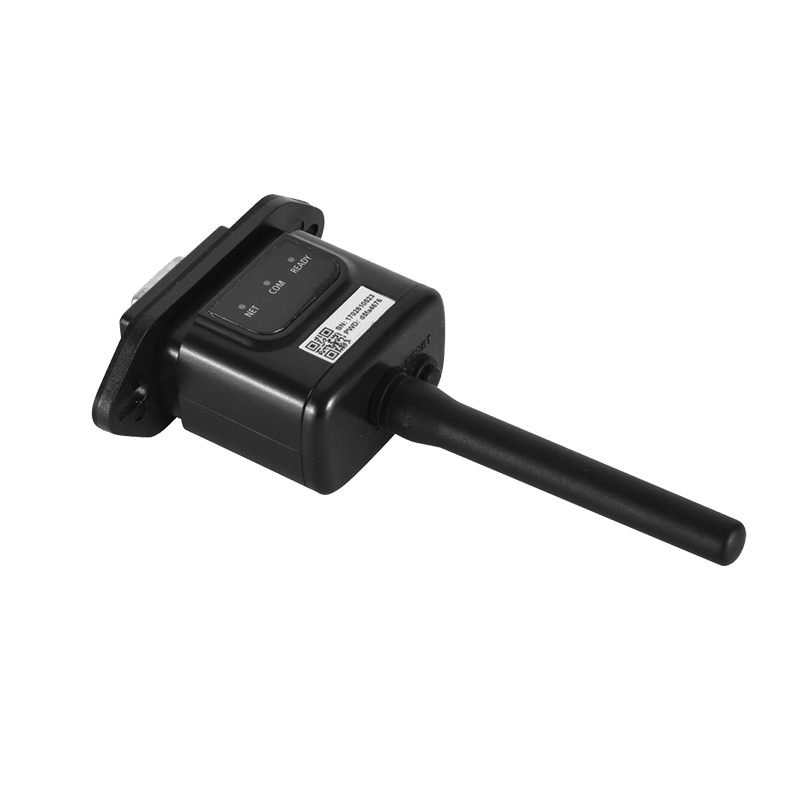
Modern hybrid inverters often include smart monitoring systems accessible via mobile apps or web platforms. Users can track real-time energy production, consumption, and storage levels, enabling informed energy management decisions.
Features such as remote firmware updates, fault alerts, and automated optimization further distinguish hybrid inverters from traditional ones. Traditional inverters generally provide minimal monitoring capabilities, limiting user control and system awareness.
Environmental Benefits
By the use of solar energy and reducing reliance on grid electricity, all-round hybrid inverters contribute to lower greenhouse gas emissions. Energy storage ensures that surplus renewable energy is not wasted, reducing the need for fossil fuel-based electricity generation.
Traditional inverters, without energy storage or intelligent management, cannot fully utilize renewable energy potential, limiting their environmental impact.
Comparison Table: Hybrid vs Traditional Solar Inverters
| Feature | All-Round Hybrid Inverter | Traditional Solar Inverter |
| Energy Storage | Integrated battery storage | Not included |
| Backup Power | Yes, automatic switching | No |
| Energy Optimization | Dynamic management of multiple sources | Limited to solar to AC conversion |
| Monitoring | Smart monitoring via apps | Minimal monitoring |
| Environmental Impact | Higher, reduces grid dependence | Lower, limited renewable use |
Applications in Homes and Businesses
All-round hybrid inverters are suitable for a wide range of applications, from residential solar systems to commercial and industrial energy projects. In homes, they provide reliable backup power, optimize solar self-consumption, and support electric vehicle charging. For businesses, hybrid inverters reduce operational energy costs, enhance sustainability credentials, and ensure uninterrupted power for critical systems.
Conclusion
All-round hybrid inverters offer significant advantages over traditional solar inverters, including energy storage, backup power, energy optimization, advanced monitoring, and environmental benefits. While the initial investment may be higher, the long-term cost savings, versatility, and reliability make hybrid inverters a choice for both residential and commercial solar applications.
By selecting an all-round hybrid inverter, users can maximize renewable energy usage, achieve energy independence, and future-proof their energy systems against rising electricity costs and grid instability.