 English
 Español
 Deutsch
Content
- 1 Introduction: Understanding Solar Grid Tie Inverter Efficiency
- 2 What Defines the Efficiency of a Solar Grid Tie Inverter?
- 3 Comparing 600W, 1kW, and 3kW Inverter Efficiency
- 4 Load Matching and Partial Load Efficiency
- 5 Thermal Performance and Its Impact on Efficiency
- 6 Cost vs Efficiency Trade-Offs
- 7 Real-World Energy Yield Comparison
- 8 Installation Considerations
- 9 Monitoring and Smart Features
- 10 Conclusion: Selecting the Right Inverter
Introduction: Understanding Solar Grid Tie Inverter Efficiency
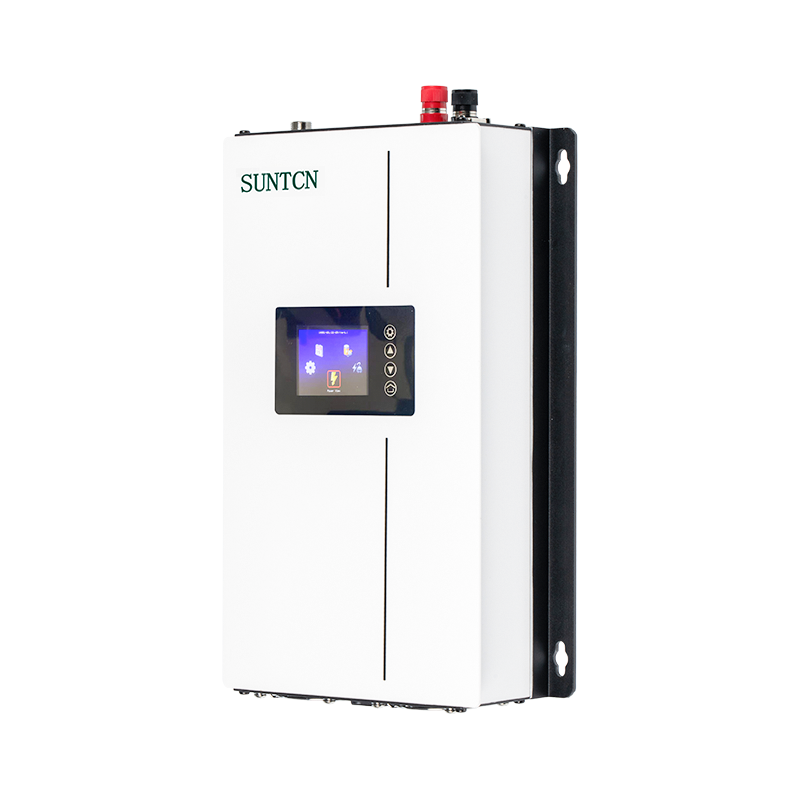
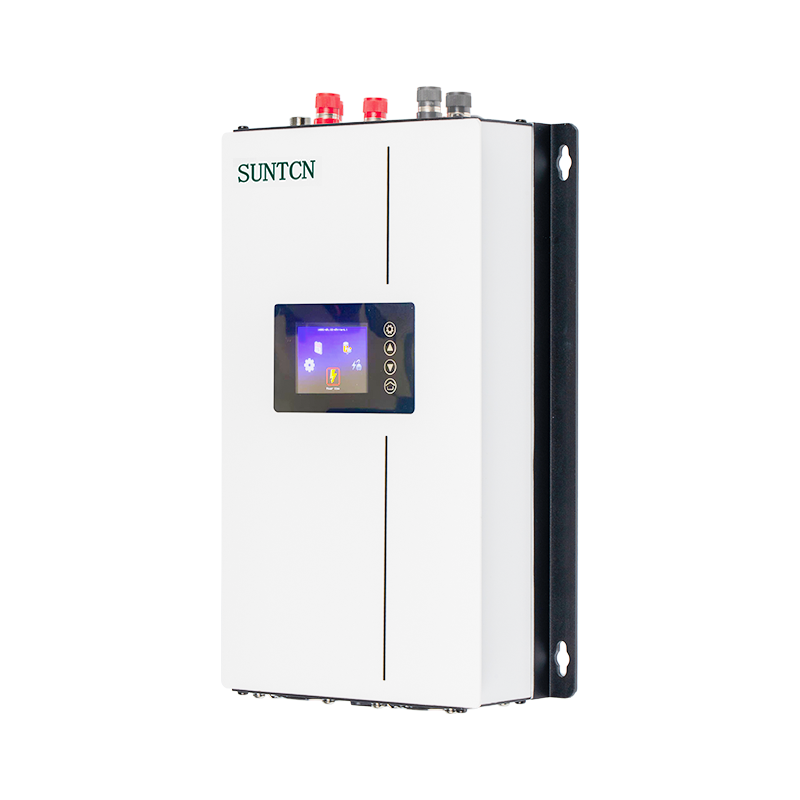
Solar grid tie inverters are a critical component in photovoltaic (PV) systems, converting direct current (DC) from solar panels into alternating current (AC) suitable for grid usage. Among residential and small commercial applications, inverters ranging from 600W to 3kW are common. Understanding how the efficiency of a 600W solar grid tie inverter compares to 1kW and 3kW models helps users optimize system design, maximize energy output, and manage costs effectively.
What Defines the Efficiency of a Solar Grid Tie Inverter?
Inverter efficiency measures how effectively a device converts DC power from solar panels into usable AC power without significant energy loss. This metric is influenced by the inverter’s topology, quality of components, load conditions, and environmental factors. Efficiency is usually expressed as a percentage, with modern inverters often achieving 95% to 98% under conditions.
Key Factors Affecting Efficiency
- Load matching: Efficiency varies depending on how closely the inverter’s capacity aligns with solar panel output.
- Heat dissipation: Inverters generate heat; thermal management impacts performance and longevity.
- Quality of components: High-grade semiconductors, capacitors, and transformers reduce internal losses.
- Input voltage range: Ability to maintain high efficiency over varying solar panel voltages affects energy capture.
Comparing 600W, 1kW, and 3kW Inverter Efficiency
While all inverters share the same fundamental function, differences in rated capacity can influence operational efficiency, especially under partial load conditions. Smaller inverters, such as 600W models, may experience slightly lower efficiency when paired with oversized solar arrays, while larger models maintain higher efficiency under varying loads.
| Inverter Size | Efficiency Range | Load Condition | Recommended Applications |
| 600W | 93% - 96% | 50%-100% load | Small homes, tiny PV systems, balcony solar setups |
| 1kW | 95% - 97% | 50%-100% load | Medium homes, small commercial systems |
| 3kW | 96% - 98% | 40%-100% load | Large homes, commercial systems, small industrial setups |
Load Matching and Partial Load Efficiency
Efficiency can drop when the inverter operates significantly below its rated capacity. A 600W inverter paired with a large 1kW solar array may not utilize full array potential efficiently, especially during low irradiance periods. Conversely, a 3kW inverter paired with a small array may consistently operate under partial load, achieving slightly lower relative efficiency. Selecting the appropriate inverter size relative to the expected peak solar generation is critical for energy yield.
Thermal Performance and Its Impact on Efficiency
All inverters produce heat during operation, which can reduce efficiency if not properly managed. Small 600W inverters typically have less robust cooling systems, which may limit continuous output during hot weather. Larger 1kW or 3kW inverters often include advanced heat sinks or fan-assisted cooling, maintaining efficiency even under high ambient temperatures. Understanding thermal derating is crucial when planning installations in hot climates.
Cost vs Efficiency Trade-Offs
While larger inverters generally achieve higher peak efficiency, they also come with higher upfront costs. A 600W inverter is more affordable, making it attractive for small-scale installations or budget-conscious users. However, for larger systems, investing in a 1kW or 3kW inverter may reduce long-term energy loss, making the investment more cost-effective over the system lifetime. Payback calculations should consider both initial cost and expected energy yield.
Real-World Energy Yield Comparison
Energy yield is influenced not only by inverter efficiency but also by solar irradiance, panel orientation, shading, and system losses. For example, a 600W inverter might produce approximately 2.4kWh per day under 4 peak sun hours, while a 1kW inverter could yield around 4kWh, and a 3kW inverter around 12kWh. Differences in inverter efficiency (2%-5%) slightly modify these numbers but are less significant than sizing, orientation, and shading considerations.
Installation Considerations
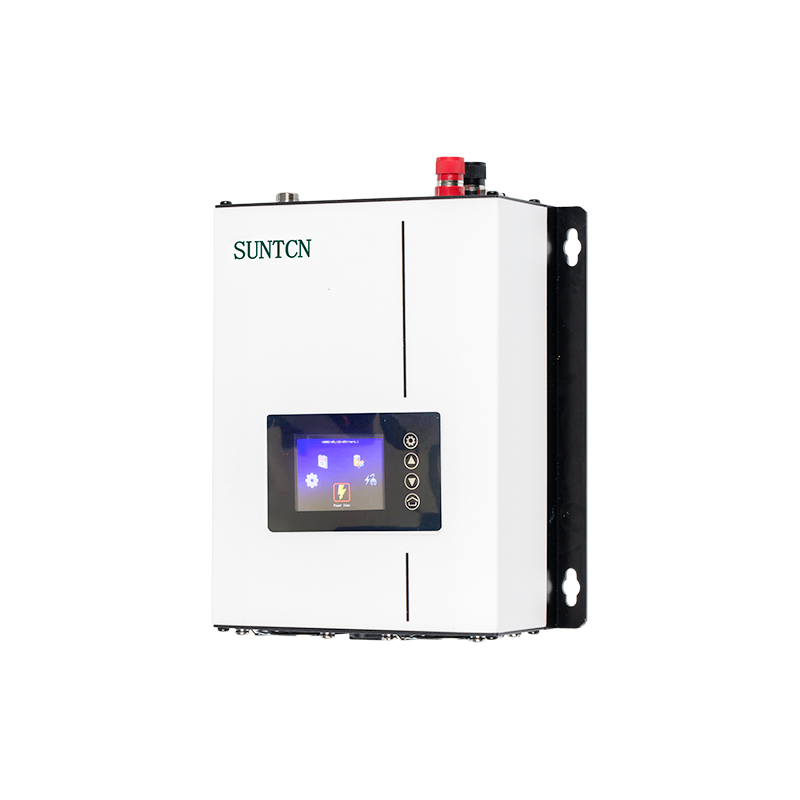
The physical installation of smaller inverters is typically simpler due to lighter weight and compact size. A 600W inverter may be wall-mounted on a balcony, garage, or small solar enclosure. Larger 1kW and 3kW inverters may require reinforced mounts, additional ventilation, or dedicated enclosures. Proper installation ensures thermal management, safety, and inverter lifespan.
Monitoring and Smart Features
Many modern grid tie inverters, regardless of size, include monitoring features such as Wi-Fi connectivity, energy logging, and performance alerts. Larger 1kW and 3kW models often provide more advanced monitoring, which can help identify efficiency drops or maintenance needs. Even small 600W inverters increasingly offer app-based monitoring for residential users, allowing better insight into energy performance.
Conclusion: Selecting the Right Inverter
While 1kW and 3kW inverters generally achieve higher peak efficiency than a 600W model, the choice depends on system size, budget, and application. A 600W inverter is ideal for small-scale installations with lower upfront cost, but larger inverters reduce energy losses, particularly in medium to large PV systems. Assessing expected load, solar array capacity, and long-term energy yield helps determine which inverter size balances efficiency, cost, and practicality for your solar setup.