 English
 Español
 Deutsch
Content
- 1 Understanding 1000W Wind-Turbine Inverters
- 2 Household Energy Consumption Requirements
- 3 Wind Turbine Output Considerations
- 4 Battery Storage and Energy Management
- 5 Practical Household Applications
- 6 Efficiency and System Losses
- 7 Comparison Table: 1000W Inverter vs Typical Household Load
- 8 Tips for Optimizing 1000W Wind-Turbine Systems
- 9 Conclusion: Is a 1000W Wind-Turbine Inverter Enough?
Understanding 1000W Wind-Turbine Inverters
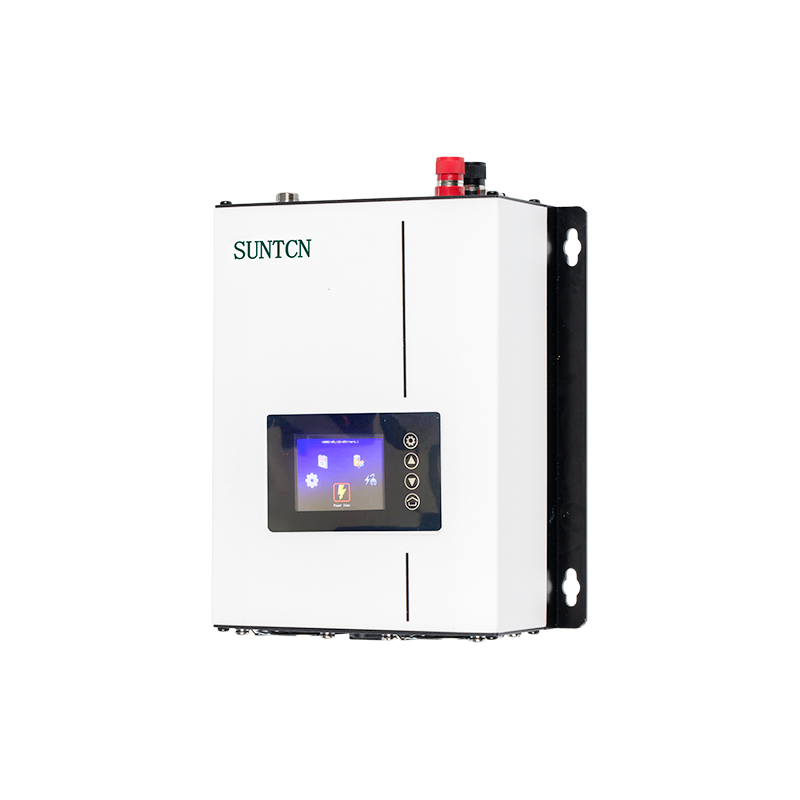
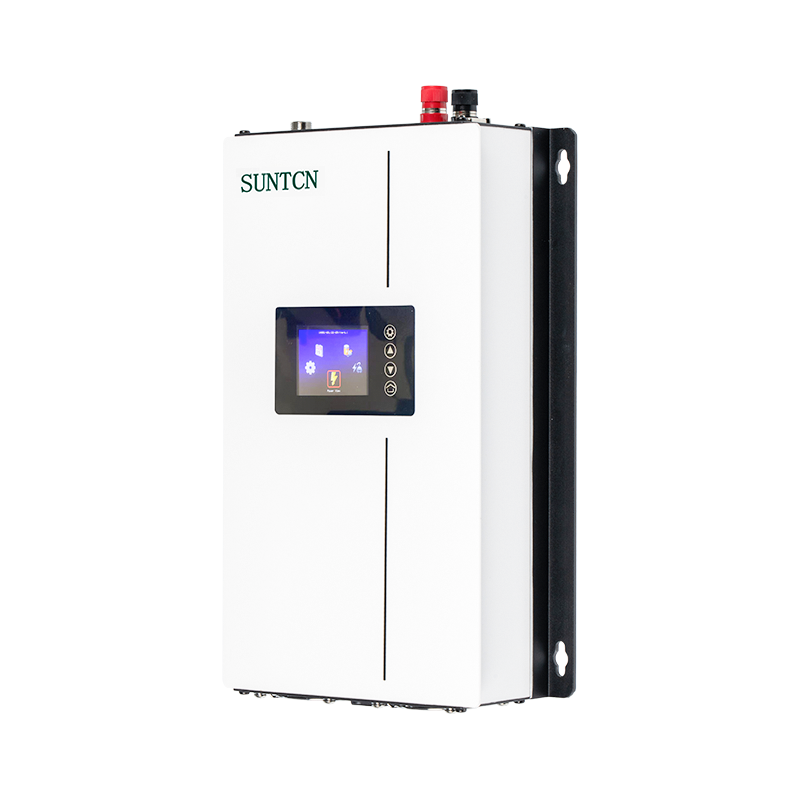
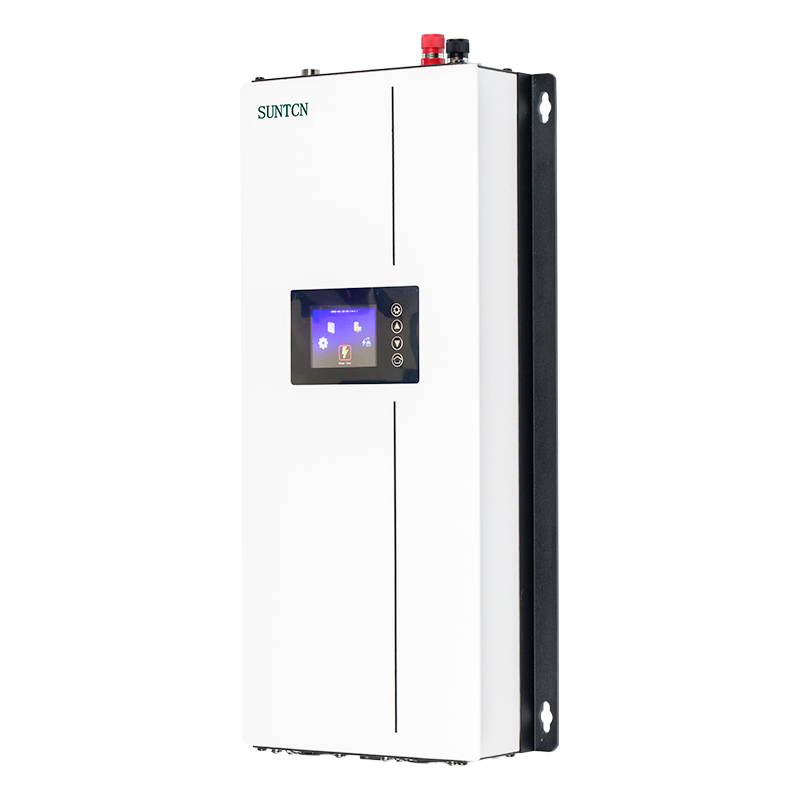
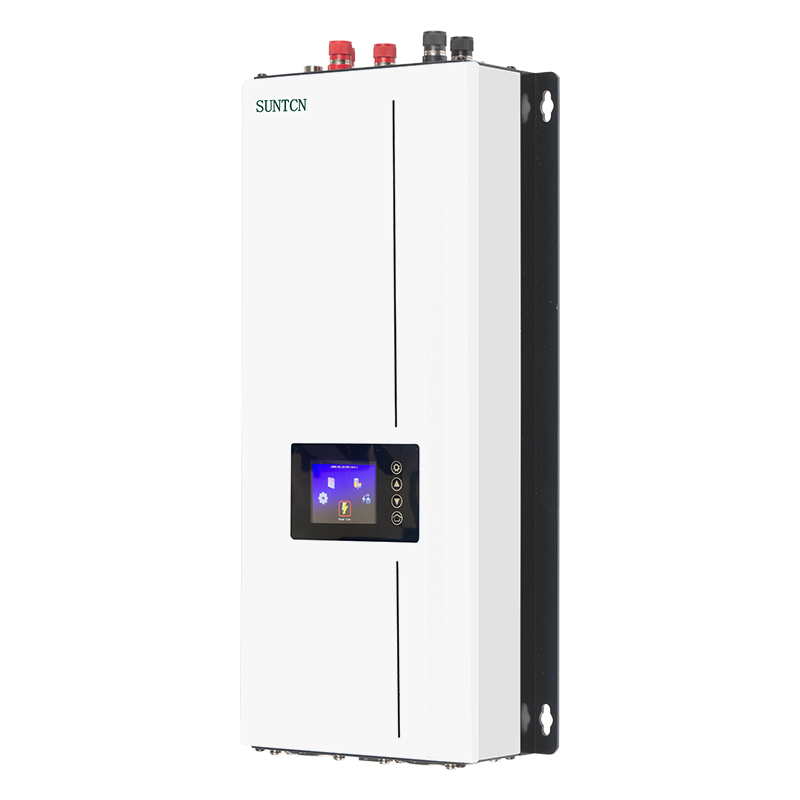
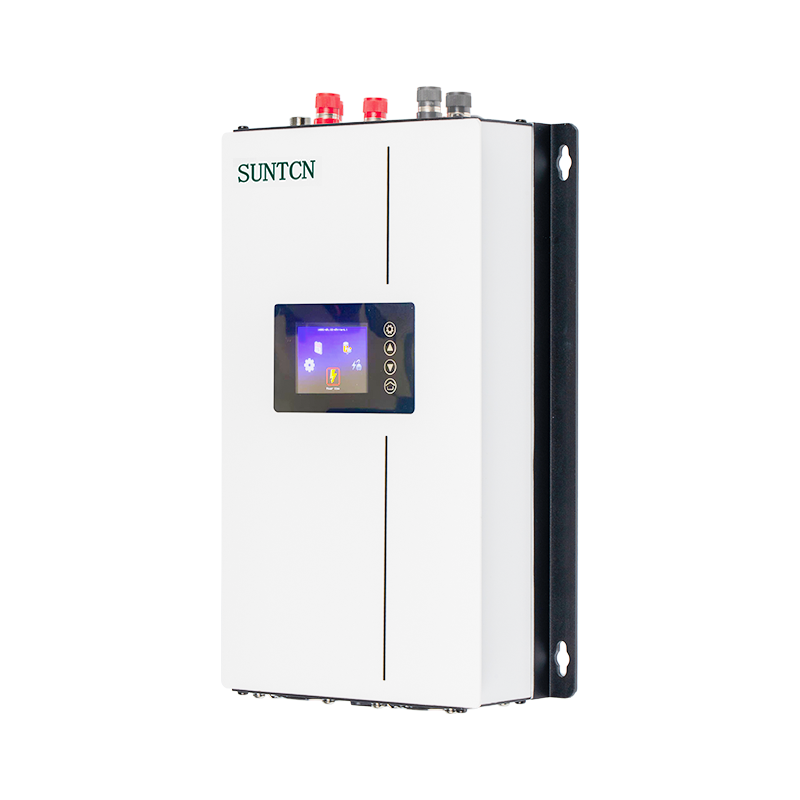
A 1000W wind-turbine inverter converts the variable DC voltage produced by a wind turbine into usable AC electricity for household appliances. These inverters are designed for small-scale renewable energy systems, often combined with battery storage, to provide off-grid or backup power. Understanding the capabilities and limitations of a 1000W inverter is essential before planning its use for a household.
Household Energy Consumption Requirements
Before determining if a 1000W inverter can power a home, it is important to understand typical household energy consumption. The average home consumes electricity for lighting, appliances, heating, cooling, and electronic devices. Consumption varies widely depending on the number of residents, climate, and lifestyle.
Estimating Daily Energy Needs
Daily energy usage is measured in kilowatt-hours (kWh). A small household might use 5–10 kWh per day, while larger homes may consume 20–30 kWh or more. A 1000W inverter, operating at output, can provide 1 kW per hour. Therefore, it can supply approximately 24 kWh in 24 hours if wind conditions allow continuous output, which is rarely achievable in practice.
Peak vs Average Load
A 1000W inverter has a peak capacity of 1 kW. Household appliances like microwaves, washing machines, or air conditioners may exceed this power rating briefly. To avoid overloading, it is important to calculate both peak and average loads and possibly limit the devices powered simultaneously.
Wind Turbine Output Considerations
The electricity generated by a wind turbine depends on the turbine size, wind speed, and efficiency. A 1000W inverter is typically paired with a turbine rated between 1 kW and 1.5 kW.
Wind Speed and Power Output
Wind turbines produce less power at low wind speeds and more power at higher speeds, up to their rated capacity. For example, a 1 kW turbine may produce only 200–500W in light winds, limiting the actual energy available to the household. Average wind speeds at the installation site must be considered when estimating performance.
Capacity Factor
The capacity factor is the ratio of actual output over a period to the possible output. For small wind turbines, the capacity factor typically ranges from 20% to 35%, meaning a 1000W inverter will realistically deliver 200–350W on average. This influences how much of the household load can be reliably powered.
Battery Storage and Energy Management
Because wind is intermittent, a 1000W inverter is usually combined with battery storage to ensure stable power supply. Batteries store excess energy when the wind produces more than the household consumes and provide power when the wind drops.
Sizing the Battery Bank
The battery bank should store enough energy to cover periods of low wind. For a small household, a battery capacity of 5–10 kWh may be sufficient. When combined with a 1000W inverter, the system can provide critical loads like lighting, refrigeration, and electronics during calm periods.
Load Management Strategies
Managing energy demand is crucial. High-power appliances should be used when wind generation is strong, while essential loads are prioritized during low production. Smart controllers or load management devices can optimize usage and prevent inverter overload.
Practical Household Applications
A 1000W wind-turbine inverter is suited for small households, cabins, or off-grid applications where energy needs are modest. It can reliably power:
- LED lighting throughout the home
- Small appliances such as laptops, TVs, and fans
- Refrigerators or freezers with low to moderate energy requirements
- Water pumps for domestic use
- Charging batteries or mobile devices
Limitations for Larger Households
For larger homes with multiple high-power appliances, a single 1000W inverter cannot meet all energy needs. Attempting to power air conditioning, electric water heaters, or multiple appliances simultaneously will overload the inverter and may cause system shutdown.
Efficiency and System Losses
Efficiency losses occur at multiple stages, including the inverter itself, wiring, and battery charge/discharge cycles. Typical inverter efficiency is around 90–95%, and battery systems introduce additional losses. These factors reduce the actual usable power available for household consumption.
Comparison Table: 1000W Inverter vs Typical Household Load
The following table compares typical household appliance power consumption with the capacity of a 1000W inverter.
| Appliance | Average Power (W) | Can 1000W Inverter Power? |
| LED Lights | 100–200 | Yes |
| Refrigerator | 200–400 | Yes |
| Microwave | 800–1200 | Limited (Short Duration) |
| Air Conditioner | 1000–2000 | No |
| Laptop / Electronics | 50–150 | Yes |
Tips for Optimizing 1000W Wind-Turbine Systems
- Install the turbine in a location with consistent, strong wind exposure.
- Use high-capacity batteries to store excess energy for low-wind periods.
- Prioritize essential loads to prevent inverter overload.
- Regularly maintain turbine blades, wiring, and inverter components.
- Consider hybrid systems with solar or grid backup for larger households.
- Monitor system performance using charge controllers and power meters.
Conclusion: Is a 1000W Wind-Turbine Inverter Enough?
A 1000W wind-turbine inverter can power a small household or critical appliances effectively, especially when paired with battery storage and proper load management. For larger homes with high energy demands, this inverter alone is insufficient. Accurate assessment of household energy requirements, wind conditions, and battery capacity is essential to design a reliable and efficient renewable energy system.