 English
 Español
 Deutsch
Content
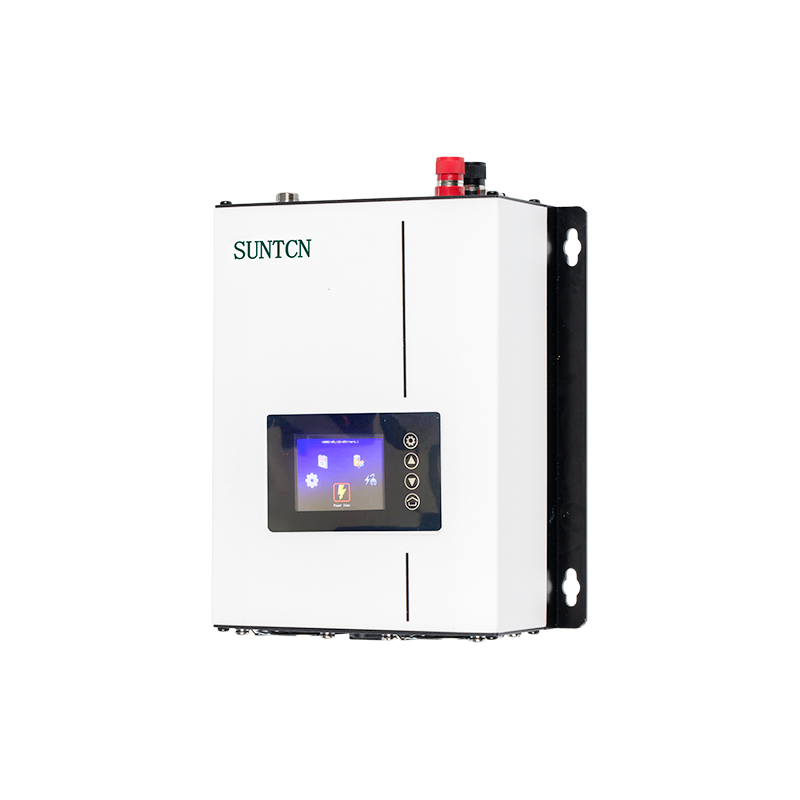
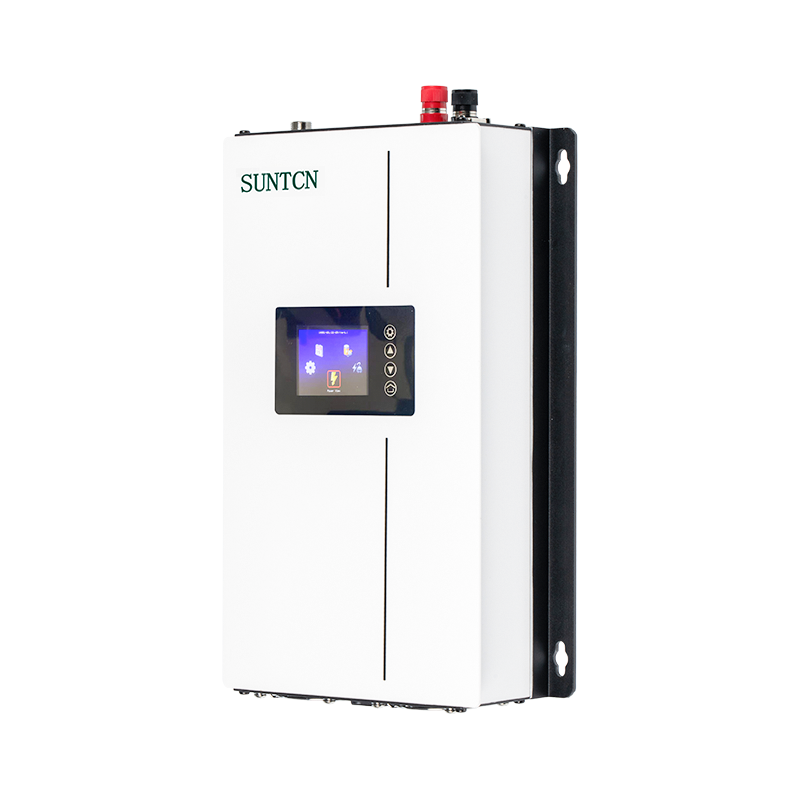
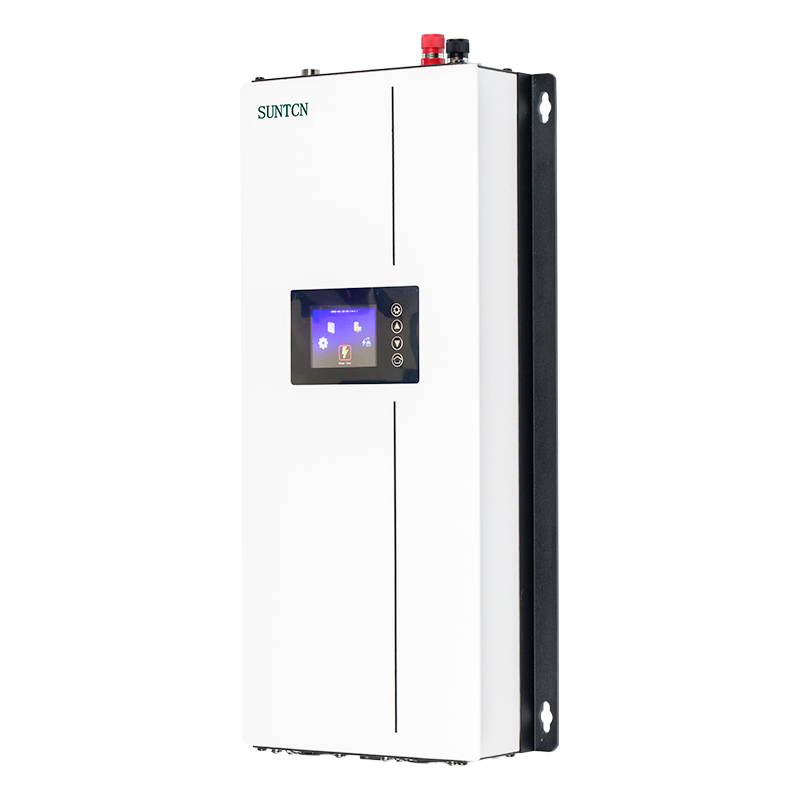
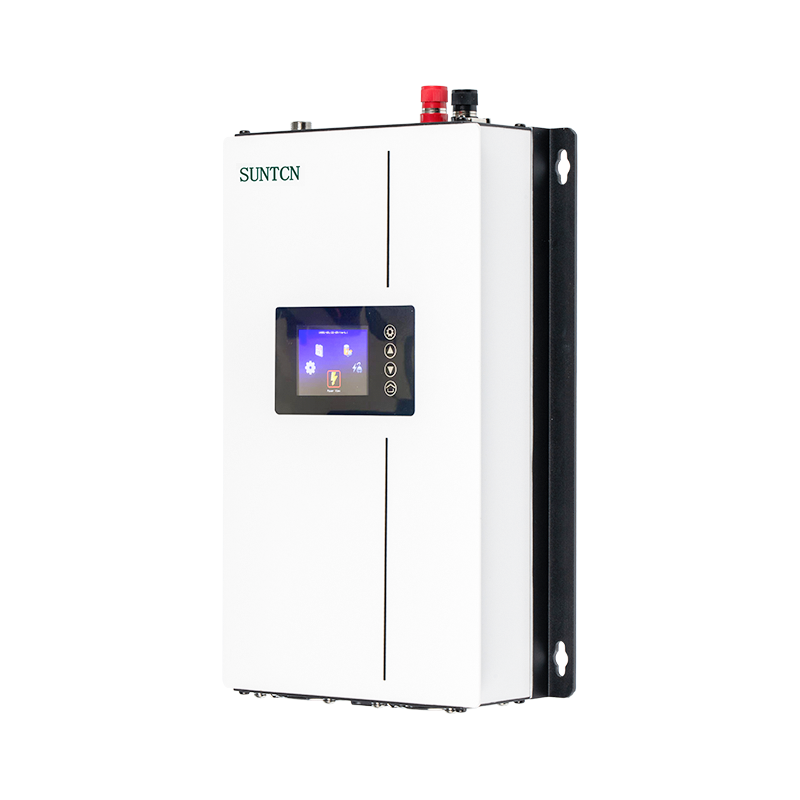
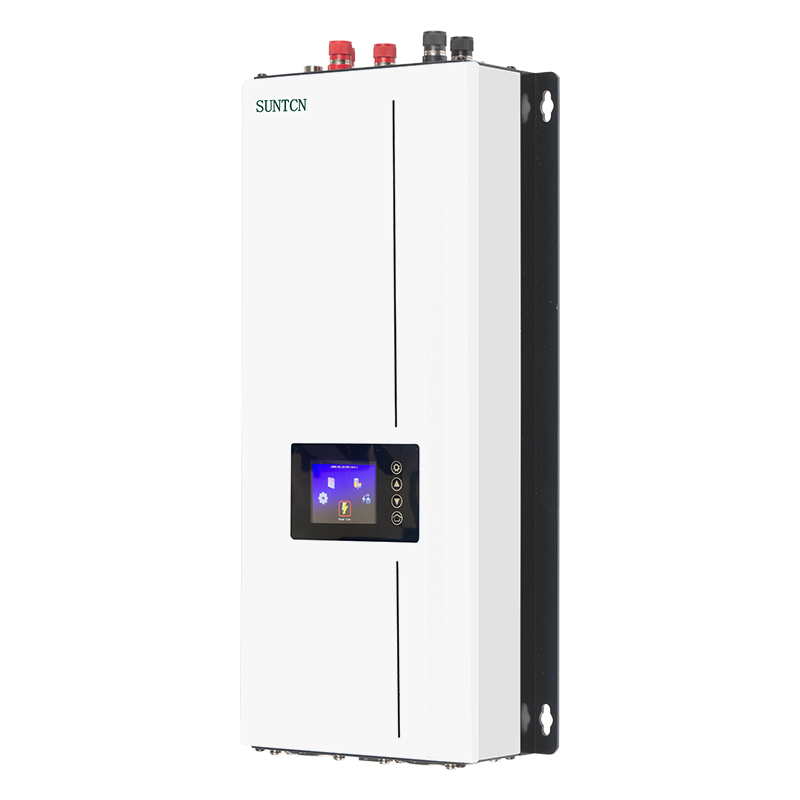
A wind-turbine grid tie inverter is a critical component in renewable energy systems that connects wind turbines to the electrical grid. Its primary function is to convert the variable direct current (DC) generated by the turbine into alternating current (AC) compatible with the grid. Choosing the right inverter ensures energy efficiency, grid compliance, and long-term system reliability.
Efficiency and Performance
Efficiency is a key factor in selecting a wind-turbine grid tie inverter. High-efficiency inverters minimize energy losses during DC to AC conversion, increasing the amount of usable electricity generated. Modern inverters often feature power point tracking (MPPT) technology, which optimizes energy harvest from varying wind speeds and turbine outputs.
Power Point Tracking (MPPT)
MPPT allows the inverter to continuously adjust the electrical operating point of the wind turbine to ensure power extraction. It is especially important in fluctuating wind conditions, as it maintains stable output while protecting the turbine and inverter from overload.
Low Harmonic Distortion
The inverter should produce AC output with minimal harmonic distortion to prevent interference with other electrical equipment and ensure grid compliance. Low total harmonic distortion (THD) is an essential metric to evaluate in high-quality inverters.
Grid Compatibility and Safety Features
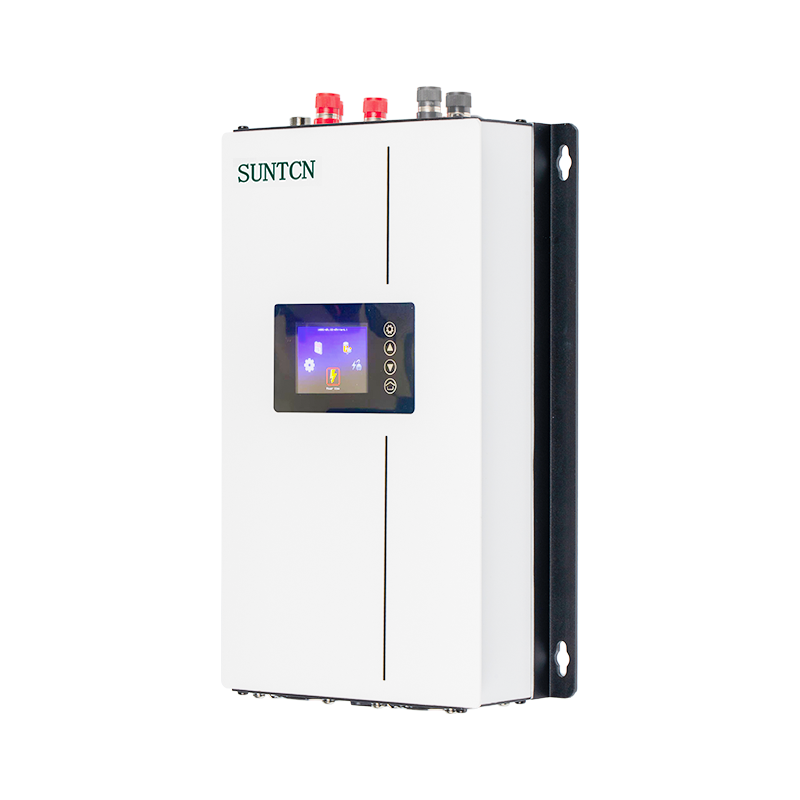
Grid tie inverters must comply with local electrical regulations and grid standards. Features such as anti-islanding protection, voltage and frequency monitoring, and automatic disconnection during grid faults are crucial to prevent damage and maintain safety.
Anti-Islanding Protection
Anti-islanding ensures that the inverter shuts down automatically during a power outage, preventing unintentional energization of the grid. This protects maintenance personnel and prevents equipment damage.
Voltage and Frequency Monitoring
Advanced inverters constantly monitor grid voltage and frequency, adjusting their output to match grid parameters. This functionality maintains stable operation and prevents power quality issues in the grid.
Durability and Environmental Considerations
Wind turbines are often installed in harsh outdoor environments. Therefore, inverters must be robust, weather-resistant, and capable of operating over a wide temperature range. IP-rated enclosures, corrosion-resistant materials, and dust and moisture protection extend the operational lifespan of the inverter.
Temperature Management
Efficient thermal management is crucial to prevent overheating, which can reduce inverter efficiency and cause premature failure. High-quality inverters often include heat sinks, cooling fans, or liquid cooling systems.
Weatherproofing
IP-rated inverters protect internal components from rain, dust, and other environmental hazards. For offshore or coastal installations, corrosion-resistant materials are essential to ensure long-term reliability.
Connectivity and Monitoring
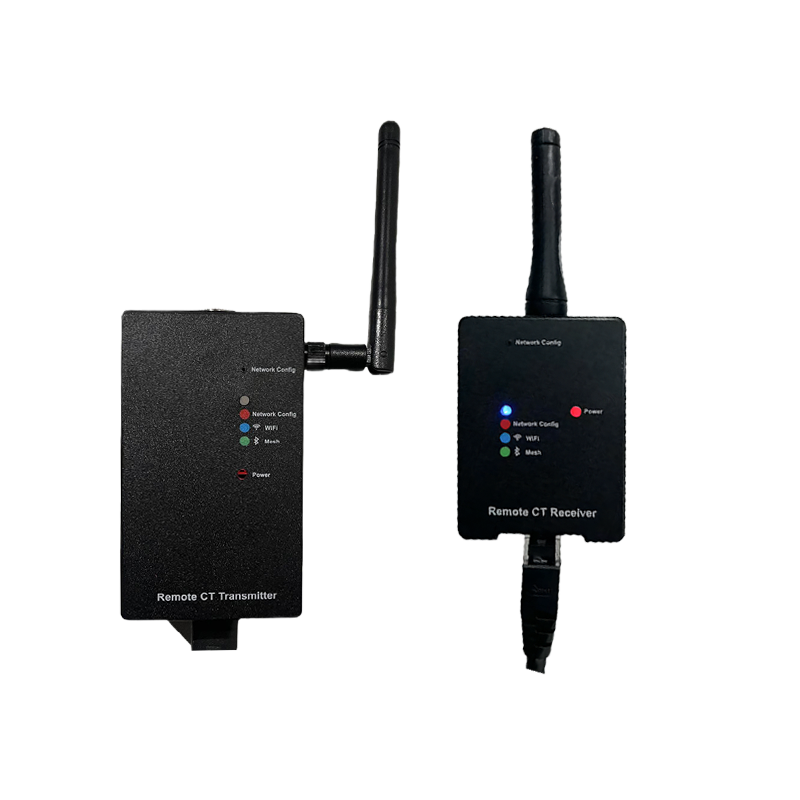
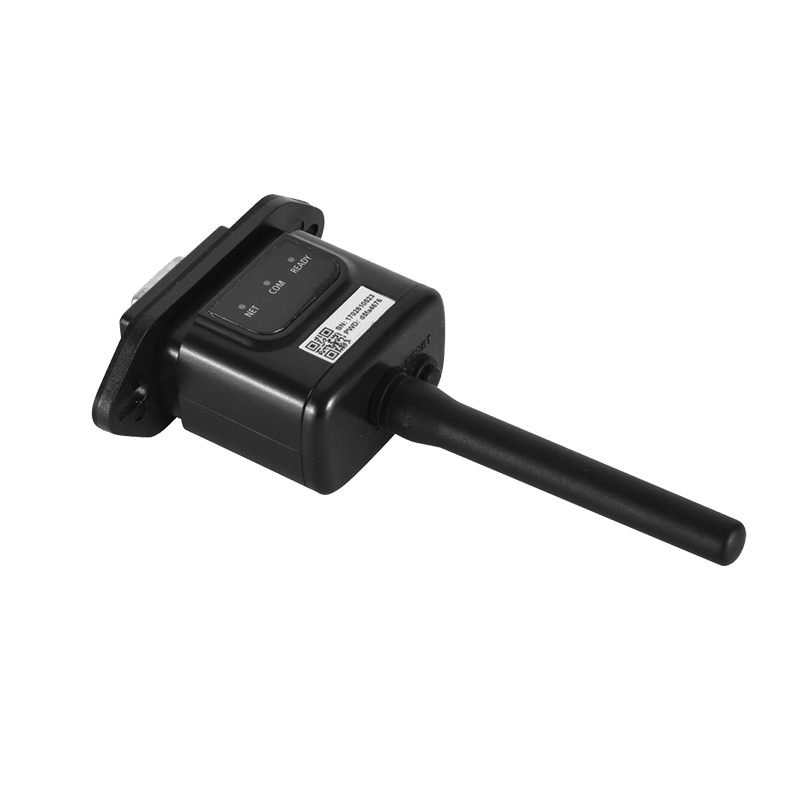
Modern grid tie inverters come with integrated monitoring and communication features. Remote monitoring, data logging, and real-time performance tracking help operators optimize energy production and quickly address any faults or performance issues.
Remote Monitoring
Remote monitoring capabilities allow operators to track energy output, detect anomalies, and receive alerts for maintenance needs without physical inspections. This reduces downtime and operational costs.
Data Logging
Detailed performance data helps optimize turbine operation, identify patterns in energy production, and inform predictive maintenance strategies, ensuring efficiency over time.
Scalability and System Integration
Inverters should support scalability to accommodate future wind turbine expansions. Compatibility with multiple turbine types, modular configurations, and integration with energy storage systems enhances the flexibility and value of the overall system.
Modular Design
Modular inverters allow for easy expansion of energy capacity by adding additional units without complex rewiring. This supports growing renewable energy projects efficiently.
Energy Storage Integration
Some inverters can integrate with battery storage systems, enabling energy buffering, load management, and backup power during periods of low wind or grid instability.
Conclusion
Selecting the right wind-turbine grid tie inverter requires careful consideration of efficiency, grid compatibility, durability, connectivity, and scalability. Inverters with MPPT, low harmonic distortion, anti-islanding protection, and robust environmental resistance maximize energy production and ensure long-term reliable operation. Incorporating these features into the selection process ensures a resilient and high-performing renewable energy system.