 English
 Español
 Deutsch
Content
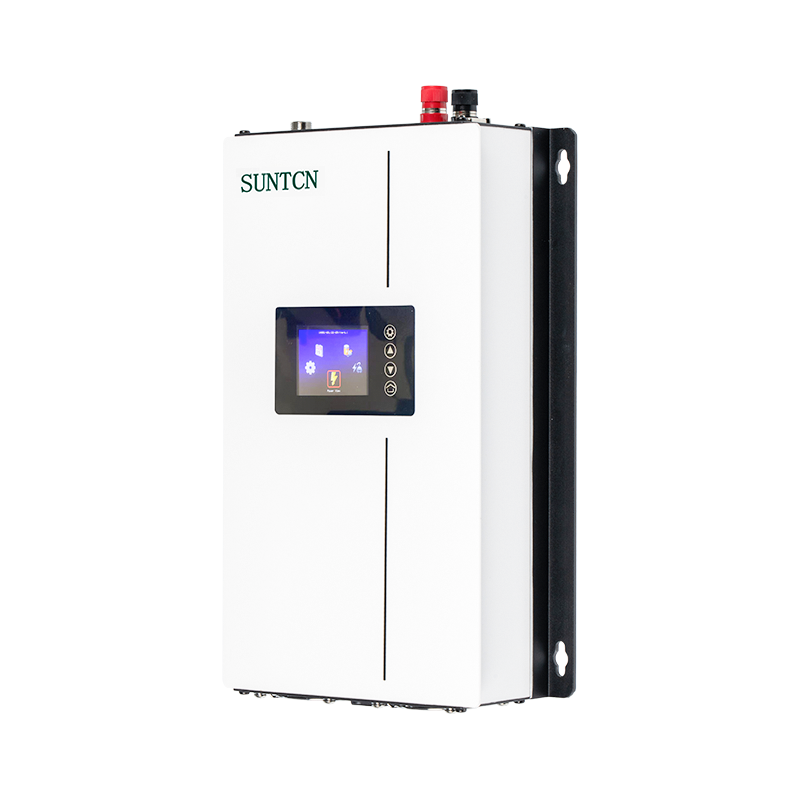
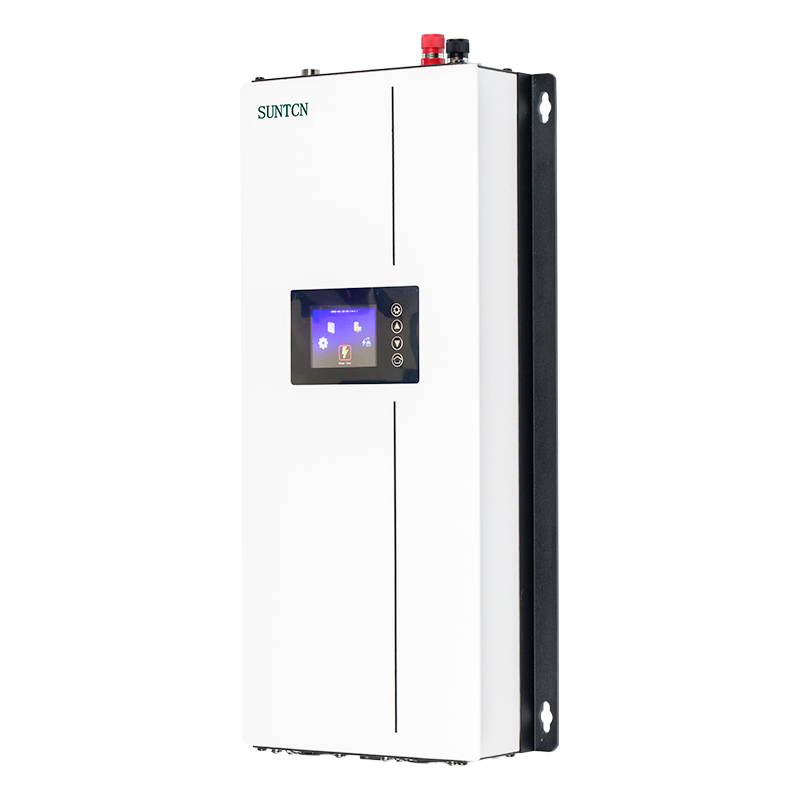
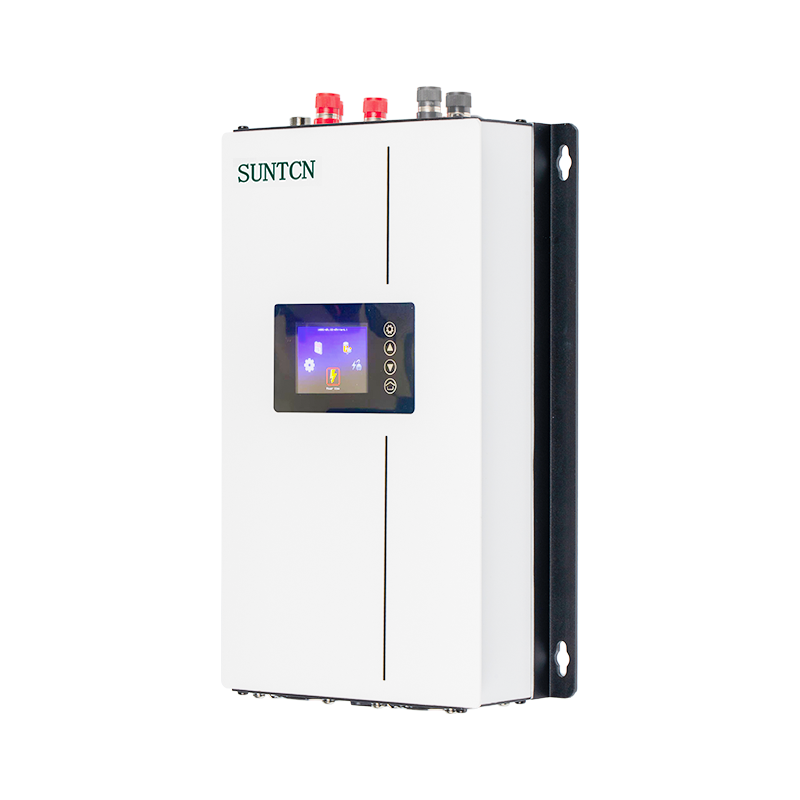
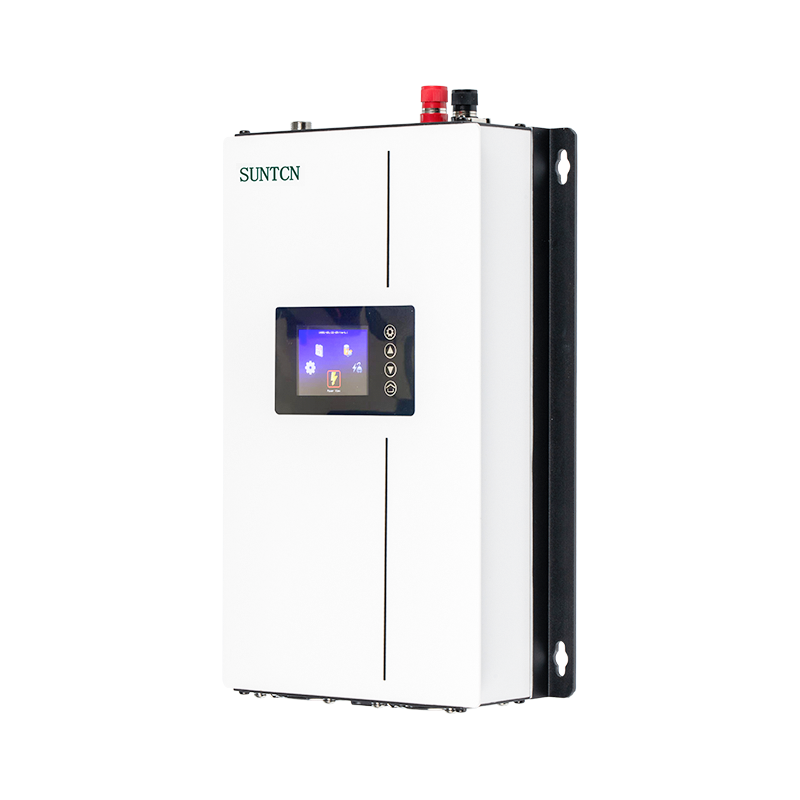
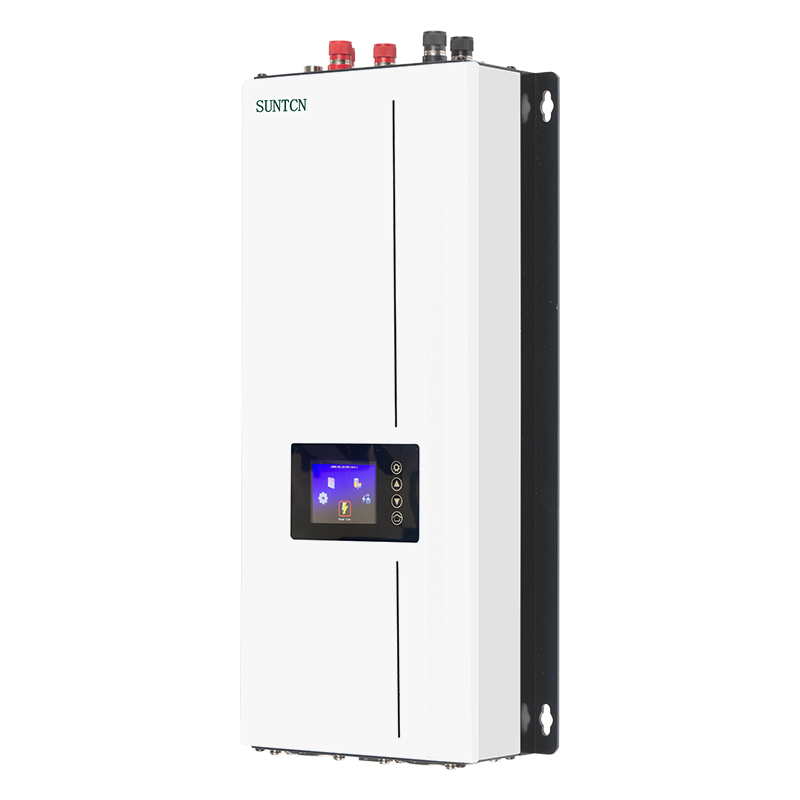
A 600W solar grid tie inverter is a compact, efficient device that converts the direct current (DC) produced by solar panels into alternating current (AC) suitable for feeding into the electrical grid. It is ideal for residential solar systems or small commercial setups. While these inverters offer significant benefits, including energy savings and grid support, installation challenges are common and can affect performance and safety if not addressed properly.
This article explores the common installation challenges associated with 600W solar grid tie inverters and provides practical solutions to ensure operation, reliability, and compliance with electrical regulations.
Site Assessment and System Planning
The step in installing a 600W solar inverter is conducting a comprehensive site assessment. Factors such as available roof space, orientation, shading, and electrical panel capacity must be evaluated. Improper planning can to sub performance, reduced energy yield, and potential safety hazards.
To mitigate these issues, use solar assessment tools or software to model expected energy output and identify ideal panel placement. Ensure the inverter location is close to the main service panel to minimize voltage drop and cabling losses.
Electrical Wiring Challenges
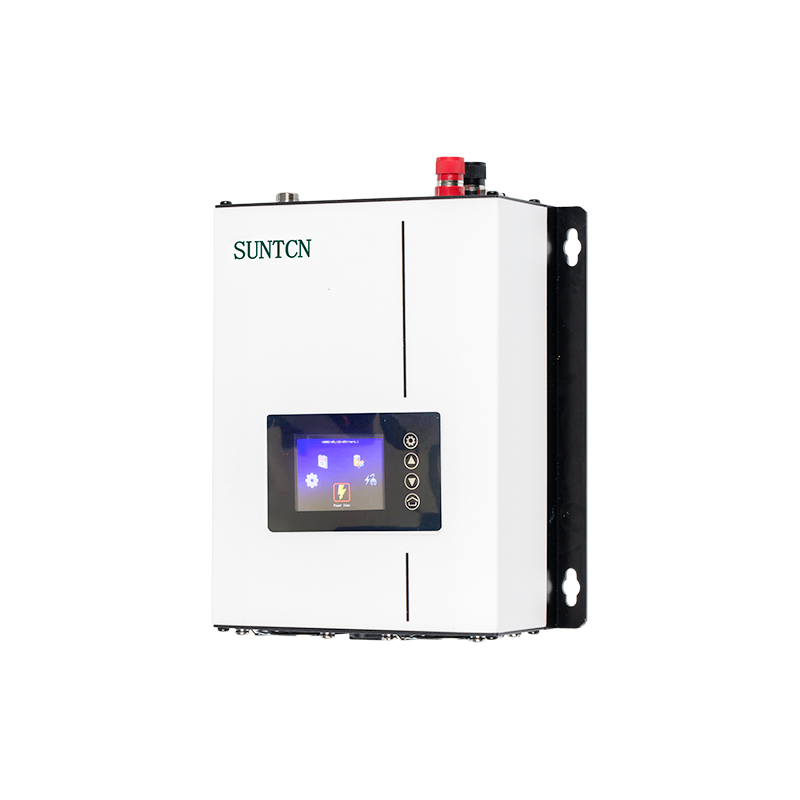
Incorrect electrical connections are one of the common causes of inverter malfunction. Issues may include reversed polarity, insufficient wire gauge, or improper grounding. These errors can to overheating, reduced efficiency, or even damage to the inverter and solar panels.
- Verify all DC and AC wiring against the inverter’s manual specifications before powering the system.
- Use appropriately rated wires for voltage and current requirements to prevent overheating and energy loss.
- Install a proper grounding system to protect against lightning strikes and electrical faults.
Grid Connection and Compliance Issues
Connecting a solar inverter to the grid requires compliance with local regulations and utility standards. Failure to meet grid-tie requirements can result in inverter shutdowns or fines. Challenges include verifying anti-islanding protections, ensuring synchronization with grid voltage, and obtaining necessary permits.
To address these concerns, always consult local electrical codes and utility guidelines. Verify that the inverter has certifications such as UL1741, IEC 62109, or local equivalents. Proper labeling and installation of disconnect switches facilitate maintenance and emergency shut-off.
Mounting and Environmental Challenges
Mounting the inverter in an appropriate location is crucial. High temperatures, exposure to direct sunlight, dust, and moisture can reduce efficiency and lifespan. An improperly secured inverter may also suffer vibration damage or cable strain.
- Install the inverter in a shaded, ventilated, and weather-protected area to maintain operating temperature.
- Use sturdy mounting brackets to prevent mechanical stress or vibration.
- Ensure proper clearance around the inverter for airflow and maintenance access.
Monitoring and Communication Issues
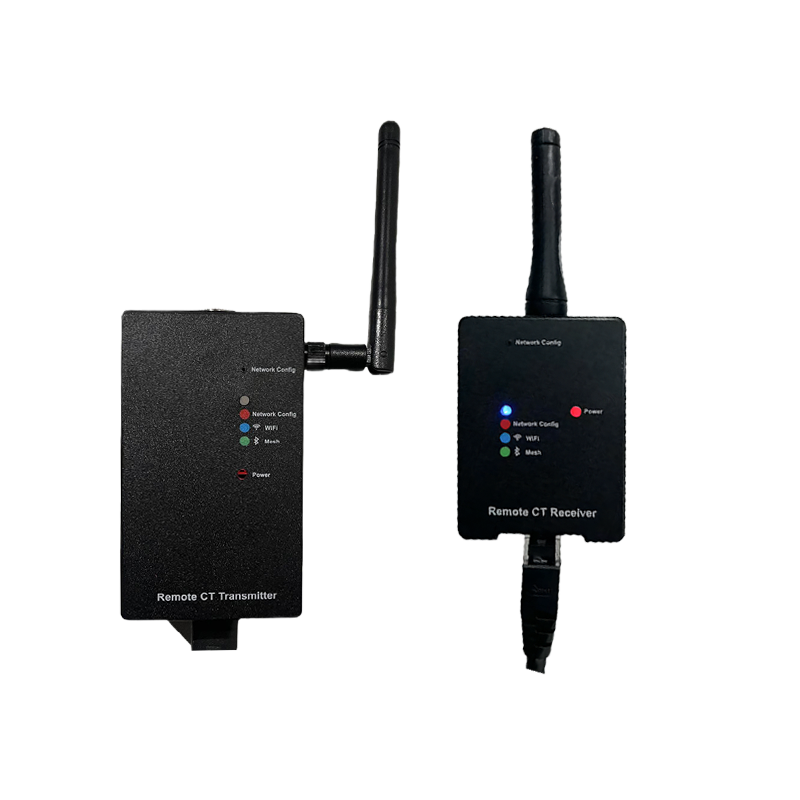
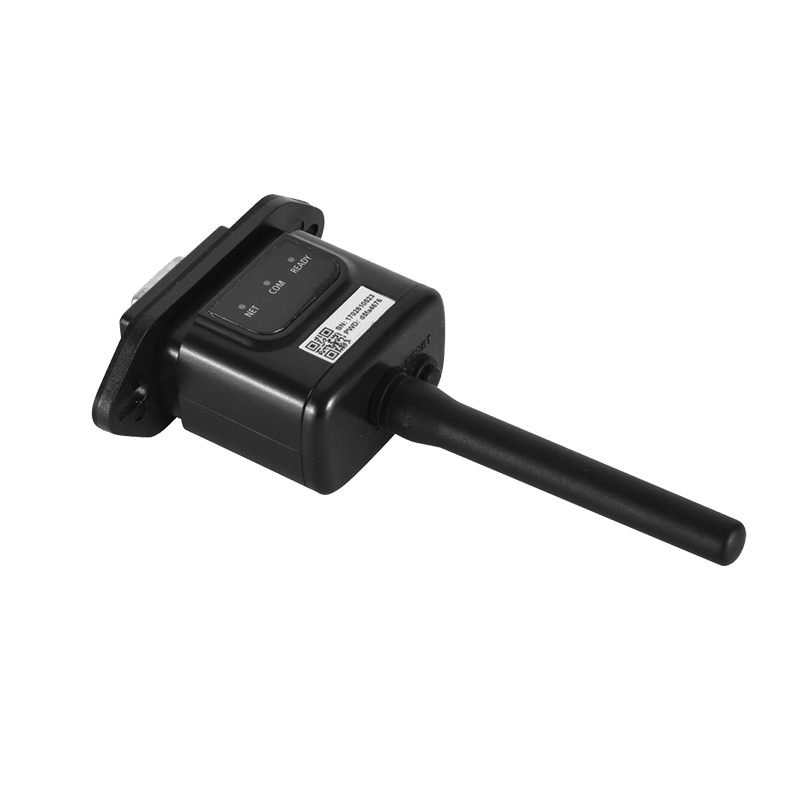
Modern grid tie inverters often feature monitoring interfaces for performance tracking and remote management. Challenges can arise if communication systems such as Wi-Fi, RS485, or Ethernet are not configured correctly, resulting in inaccurate data or offline monitoring.
Solutions include setting up a reliable network connection, regularly updating inverter firmware, and verifying that monitoring software or apps are compatible. Real-time monitoring helps identify issues early, optimizing energy production and preventing system downtime.
Safety and Protection Measures
Safety is a paramount concern during installation. Electrical hazards, overcurrent events, and exposure to live components pose serious risks. Installing proper protective devices such as fuses, surge protectors, and circuit breakers is essential.
- Always de-energize circuits before performing any installation or maintenance work.
- Use insulated tools and personal protective equipment (PPE) during installation.
- Implement surge protection to prevent damage from lightning or grid voltage spikes.
Common Troubleshooting Tips
Even after careful installation, occasional issues may arise such as inverter fault codes, low output, or unexpected shutdowns. Troubleshooting requires systematic checks of wiring, input voltage, grid connection, and temperature conditions.
Maintaining a troubleshooting log and consulting the inverter manual for specific error codes can save time and prevent long-term damage. Regular system inspection and preventive maintenance are key to reliable operation.
Conclusion
Installing a 600W solar grid tie inverter presents challenges that span electrical, environmental, and regulatory domains. Proper site assessment, correct wiring, grid compliance, and careful mounting are essential to avoid common problems. Incorporating monitoring, safety measures, and preventive maintenance ensures system performance.
By addressing these challenges with informed planning and professional practices, homeowners and small business operators can enjoy the full benefits of solar energy, including reduced electricity bills, reliable power generation, and long-term sustainability.