 English
 Español
 Deutsch
Content
- 1 Fundamentals of Wind-Turbine Inverters
- 2 Improving Energy Conversion Efficiency
- 3 Voltage and Frequency Regulation
- 4 Battery Charging and Energy Storage Integration
- 5 Protective Features for Longevity and Safety
- 6 Optimizing Off-Grid System Performance
- 7 Technical Specifications and Selection Criteria
- 8 Comparison Table: 1000W Inverter Benefits
- 9 Conclusion
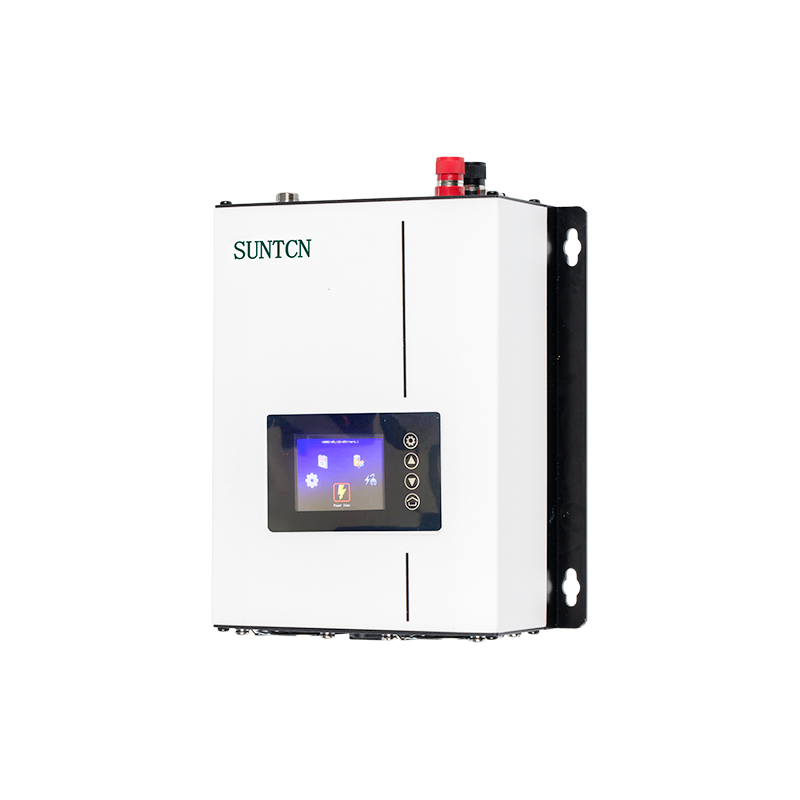
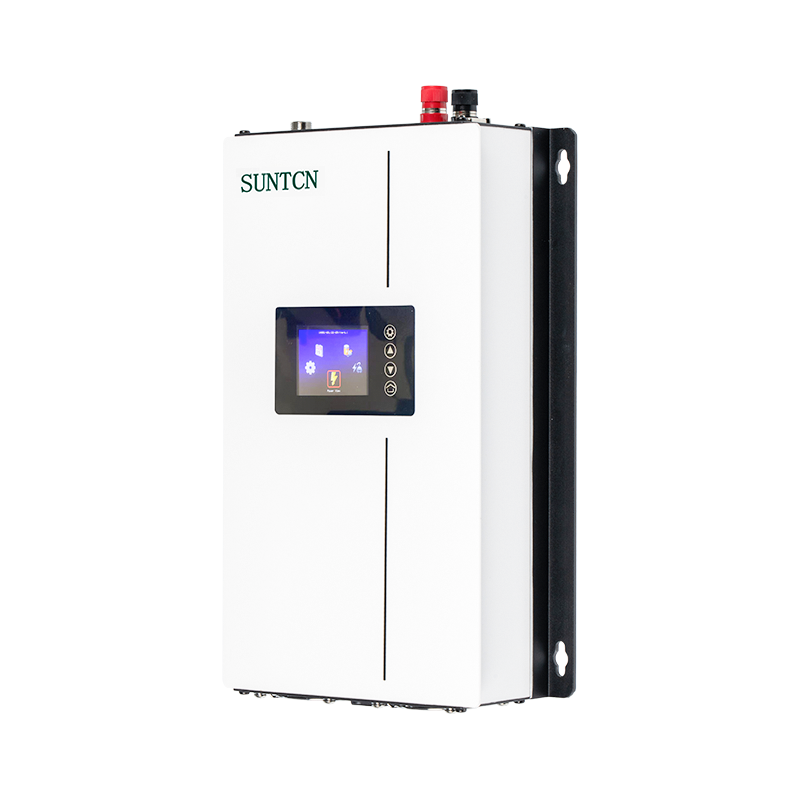
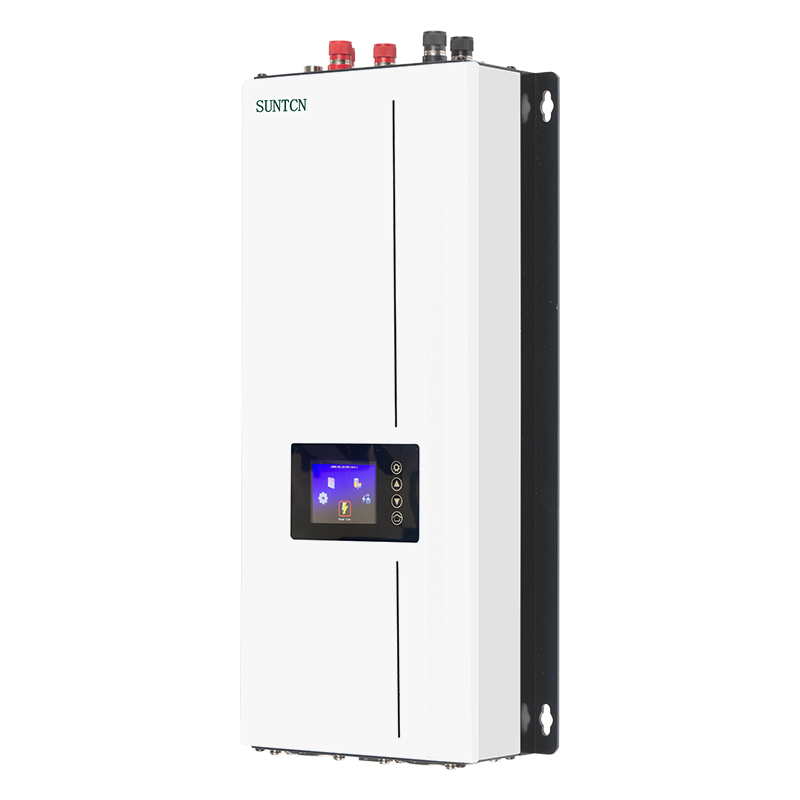
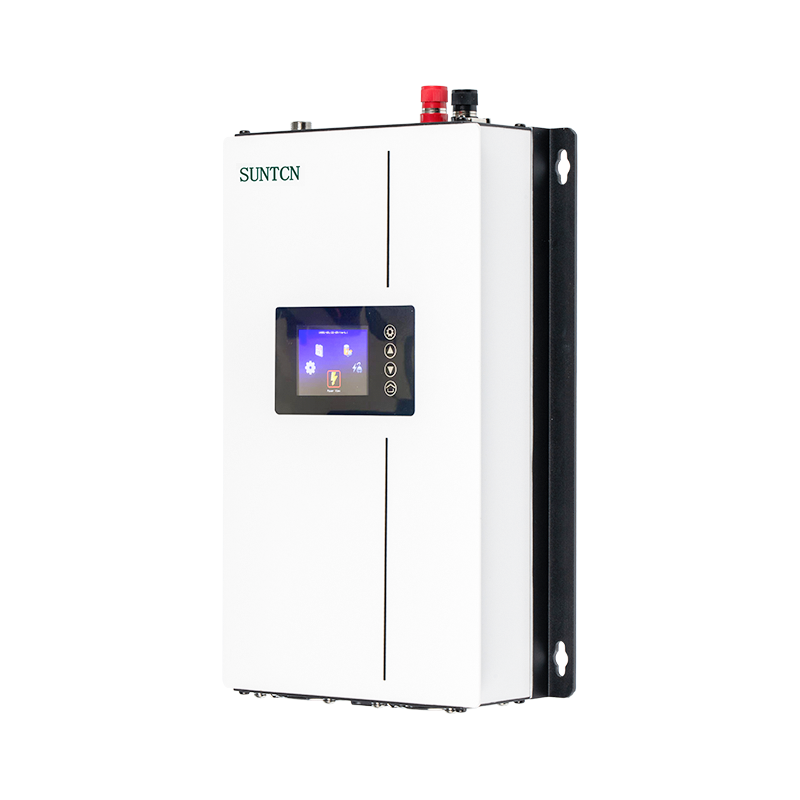
A 1000W wind-turbine inverter is a critical component in renewable energy systems, especially for small-scale wind power applications. It converts the variable DC power generated by wind turbines into stable AC electricity suitable for household appliances or grid connection. By optimizing energy conversion, regulating voltage and frequency, and protecting system components, a high-quality inverter ensures efficiency, reliability, and longevity of renewable energy systems. This article explores the ways in which a 1000W wind-turbine inverter improves system performance, key technical features, installation considerations, and practical applications.
Fundamentals of Wind-Turbine Inverters
Wind-turbine inverters are designed to manage and convert the electrical energy produced by wind turbines into a usable form. The DC output from the turbine is inherently variable due to fluctuating wind speeds. The inverter stabilizes this output by regulating voltage and frequency, producing AC power compatible with household grids or off-grid systems. A 1000W inverter is typically suited for small to medium-scale applications, including residential homes, cabins, or small renewable energy installations.
In addition to conversion, inverters often include features such as Power Point Tracking (MPPT), overvoltage and undervoltage protection, and temperature monitoring. These functions prevent energy loss, safeguard connected equipment, and allow the system to operate efficiently under varying environmental conditions.
Improving Energy Conversion Efficiency
A 1000W wind-turbine inverter enhances efficiency by optimizing how energy is extracted from the turbine. Using MPPT technology, the inverter continuously adjusts electrical parameters to ensure the turbine operates at its peak power output. This means that even under low or fluctuating wind conditions, the system can capture the available energy.
Without a high-quality inverter, energy losses occur due to mismatched voltage levels, overproduction, or underutilization of generated power. By actively monitoring and adjusting power flow, the 1000W inverter ensures that as much energy as possible reaches the load or storage batteries, reducing waste and increasing overall system performance.
Voltage and Frequency Regulation
Wind power generates variable voltage and frequency outputs depending on wind speed. The inverter converts this irregular DC voltage into stable AC voltage and frequency suitable for home appliances or grid standards. Proper voltage regulation prevents damage to connected devices and ensures consistent energy supply.
Many 1000W inverters include adaptive regulation that adjusts to load changes in real time. This reduces energy loss and improves system reliability. Additionally, stable output reduces flicker, electrical noise, and other issues that could compromise sensitive electronics.
Battery Charging and Energy Storage Integration
For off-grid systems, a 1000W wind-turbine inverter often integrates battery charging capabilities. The inverter manages charging voltage and current to optimize battery life while minimizing energy loss. Smart inverters prevent overcharging, deep discharge, and imbalance between battery banks.
Efficient energy storage integration ensures that excess wind energy is stored for use during low-wind periods. This enhances the reliability and usability of renewable energy systems, providing a continuous power supply even when wind conditions fluctuate.
Protective Features for Longevity and Safety
A high-quality 1000W inverter protects both the wind turbine and connected devices. Common protective features include:
- Overvoltage and undervoltage protection
- Overcurrent and short-circuit prevention
- Temperature monitoring and thermal shutdown
- Reverse polarity and surge protection
These protections reduce maintenance needs, prevent costly equipment failures, and ensure safe operation in challenging weather conditions.
Optimizing Off-Grid System Performance
In off-grid applications, a 1000W inverter allows wind energy to complement other renewable sources such as solar panels. By coordinating power flow between wind, solar, and battery storage, the inverter ensures efficient energy utilization and reduces dependency on backup generators.
Proper system design with a capable inverter prevents energy wastage, avoids overloading components, and maximizes uptime for critical loads. Many inverters include monitoring interfaces, allowing users to track real-time performance and optimize energy management.
Technical Specifications and Selection Criteria
Selecting the right 1000W wind-turbine inverter requires attention to technical specifications:
- Input voltage range – must match the turbine output for energy conversion
- Output waveform – pure sine wave is preferred for sensitive electronics
- Efficiency rating – higher efficiency reduces energy loss
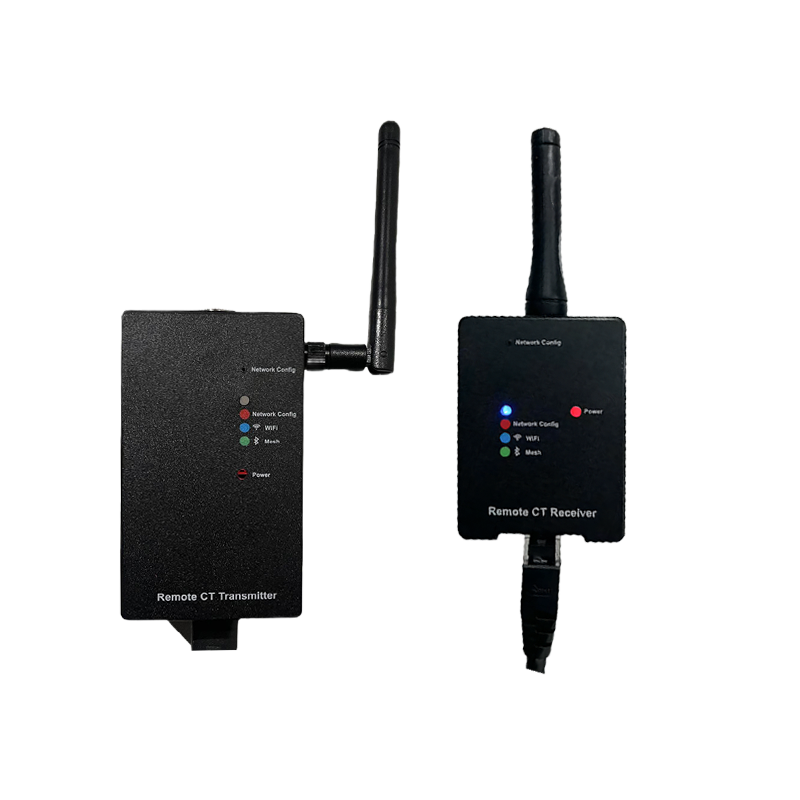
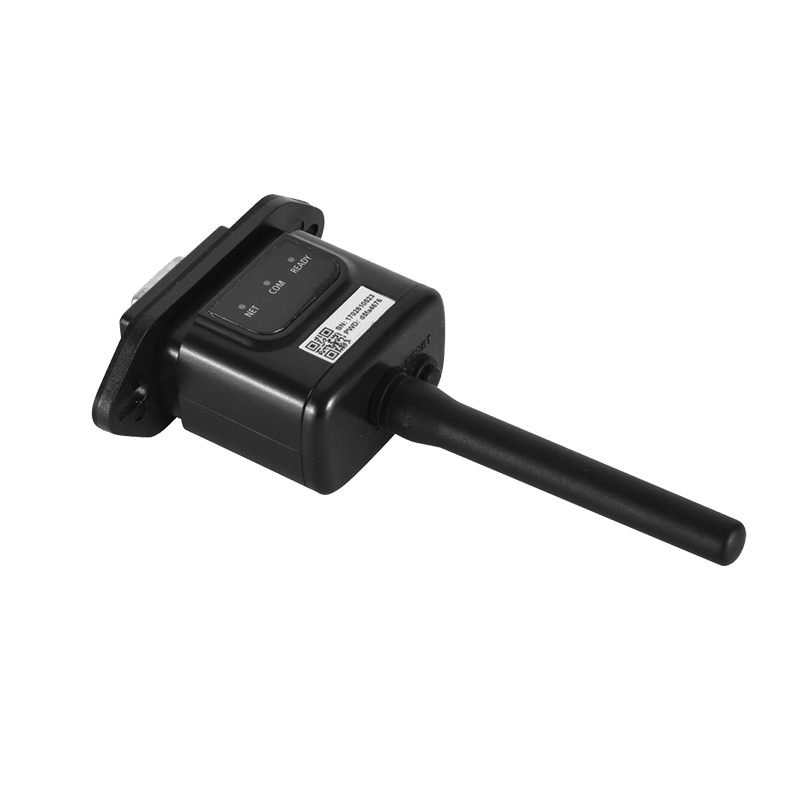
- Communication interfaces – allows monitoring and integration with system controllers
- Physical and environmental durability – rated for outdoor or indoor installation as required
Comparison Table: 1000W Inverter Benefits
| Feature | Benefit |
| MPPT | Maximizes energy extraction from variable wind speeds |
| Voltage Regulation | Ensures stable AC output for appliances |
| Battery Integration | Optimizes charging and extends battery life |
| Protective Features | Prevents system damage and enhances safety |
| Efficiency | Reduces energy loss and improves overall system performance |
Conclusion
A 1000W wind-turbine inverter is pivotal for enhancing renewable energy system efficiency. By stabilizing output, energy extraction, protecting system components, and integrating with batteries or other renewable sources, the inverter ensures reliable, high-quality power delivery. Proper selection and installation of a capable inverter allow homeowners and off-grid operators to harness wind energy effectively, reduce reliance on fossil fuels, and improve the sustainability and performance of their renewable energy systems.