 English
 Español
 Deutsch
Content
- 1 How a Hybrid Inverter Balances Performance and Cost
- 2 Key Components That Influence Cost-Effectiveness
- 3 Applications Where Cost-Effective Hybrid Inverters Excel
- 4 Comparing Cost-Effective Hybrid Inverters with Other Inverter Types
- 5 Key Factors to Consider When Choosing a Cost-Effective Hybrid Inverter
- 6 Long-Term Value and Return on Investment
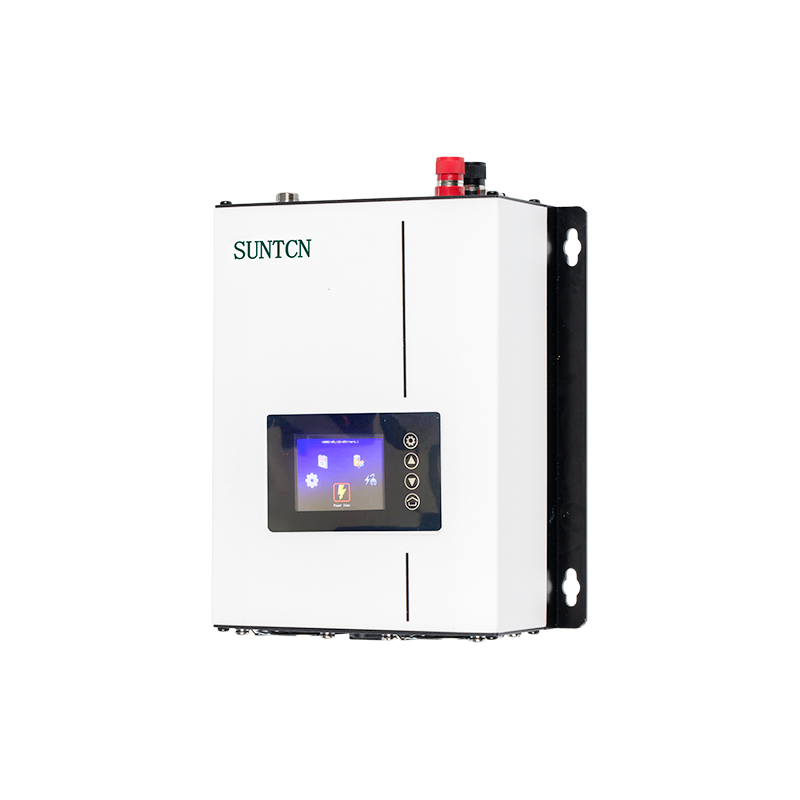
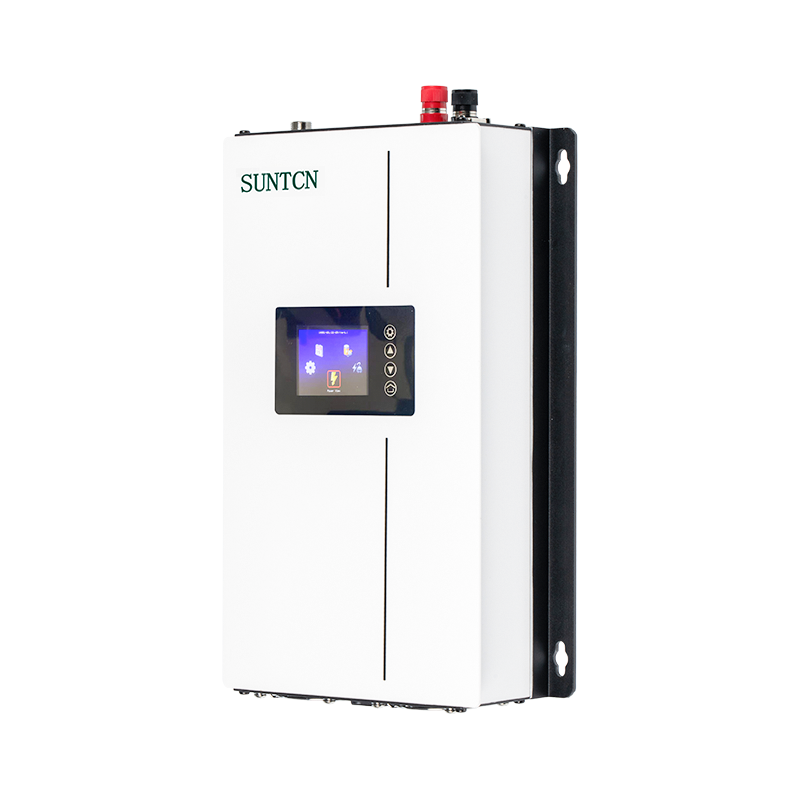
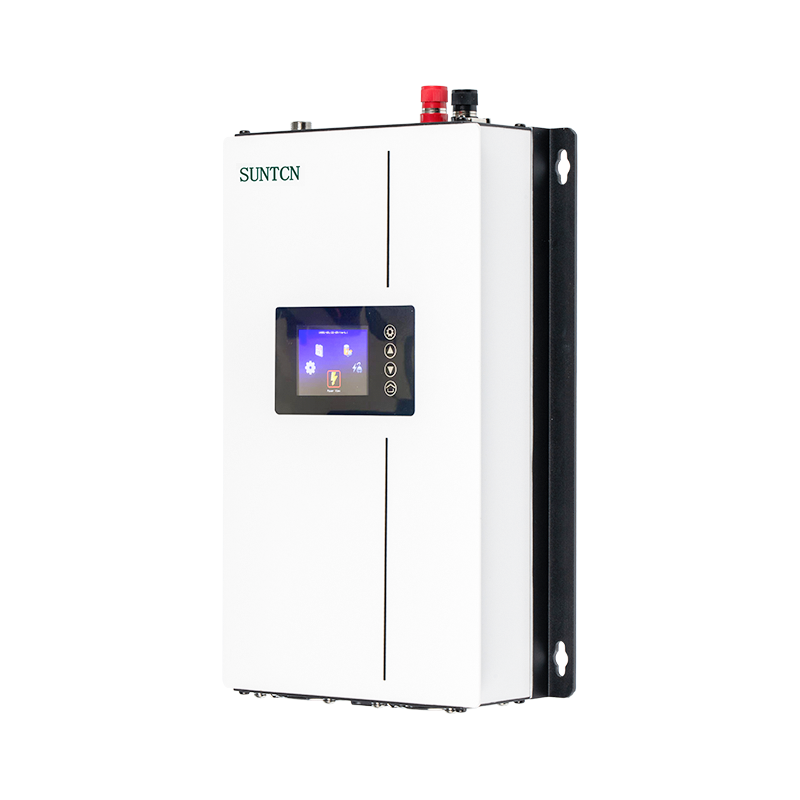
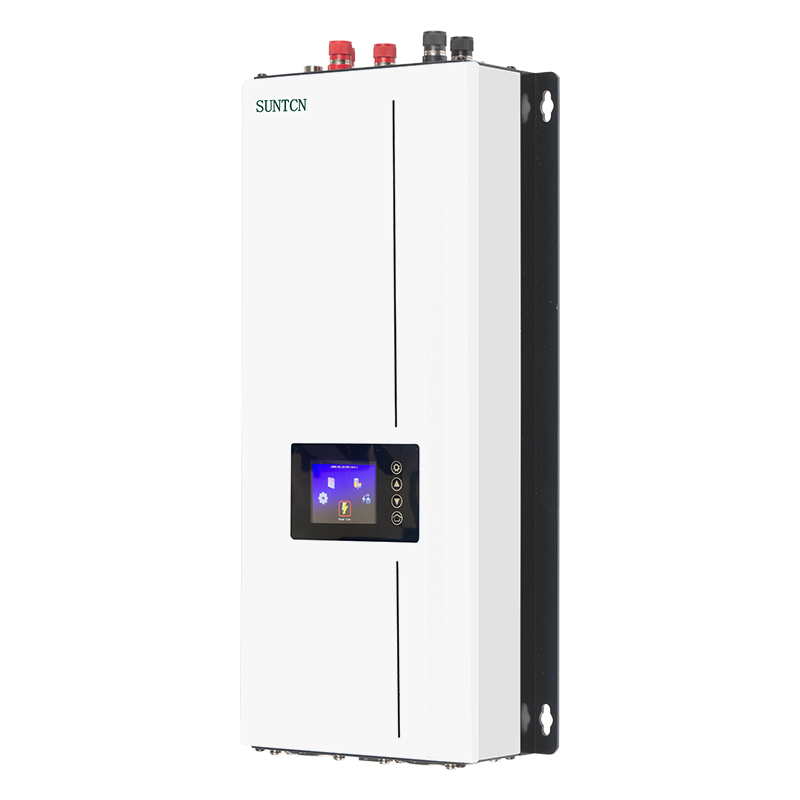
A cost-effective hybrid inverter is a power conversion device designed to balance performance, flexibility, and affordability in modern energy systems. Unlike traditional inverters that work only with grid power or solar panels, hybrid inverters can manage multiple power sources simultaneously, including solar PV, batteries, and the utility grid. The term “cost-effective” does not simply mean low price; it refers to achieving reliable functionality, acceptable efficiency, and long-term savings without unnecessary features that inflate costs.
These inverters are widely used in residential, commercial, and small industrial energy systems where budget constraints coexist with the need for energy independence and stability. By intelligently switching between power sources, a cost-effective hybrid inverter helps users reduce electricity bills, maximize self-consumption of solar energy, and ensure backup power during outages.
How a Hybrid Inverter Balances Performance and Cost
The core value of a cost-effective hybrid inverter lies in its ability to integrate essential technologies without excessive complexity. Manufacturers optimize hardware design, software control, and component selection to deliver stable performance while keeping production and maintenance costs under control. This balance allows end users to access hybrid functionality without the premium pricing often associated with high-end systems.
Key performance areas such as conversion efficiency, load management, and battery compatibility are prioritized. At the same time, optional features like advanced monitoring, oversized capacities, or niche grid services may be simplified or offered as add-ons. This approach ensures that users pay primarily for features they truly need.
Optimized Power Conversion Efficiency
Most cost-effective hybrid inverters achieve conversion efficiencies between 95% and 98%, which is sufficient for residential and light commercial applications. This level of efficiency minimizes energy loss while avoiding the higher costs associated with ultra-high-efficiency components that offer diminishing returns in everyday use.
Simplified Control Architecture
By using streamlined control boards and mature firmware platforms, manufacturers reduce development and production expenses. These simplified systems still support essential functions such as automatic source switching, battery charging, and load prioritization.
Key Components That Influence Cost-Effectiveness
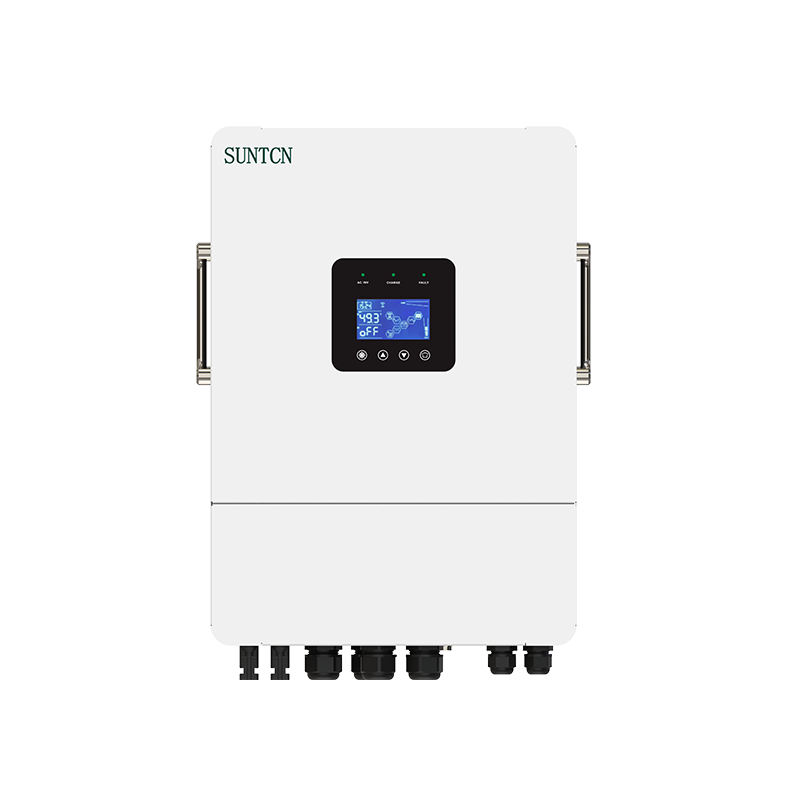
Several internal components directly impact both the price and long-term value of a hybrid inverter. Understanding these components helps buyers evaluate whether an inverter is genuinely cost-effective rather than simply inexpensive.
- Power electronics such as IGBTs or MOSFETs selected for durability and thermal stability
- Cooling systems designed for adequate heat dissipation without overengineering
- Battery management interfaces compatible with commonly used lithium or lead-acid batteries
- Grid protection and safety circuits that meet regulatory standards
A well-designed cost-effective hybrid inverter focuses on proven components rather than experimental technologies, reducing both upfront cost and long-term maintenance risks.
Applications Where Cost-Effective Hybrid Inverters Excel
Cost-effective hybrid inverters are especially suitable for applications where energy reliability and cost control are equally important. They are commonly deployed in scenarios that require flexible energy management without the complexity of large-scale power systems.
Residential Solar Energy Systems
In homes equipped with rooftop solar panels, a cost-effective hybrid inverter allows homeowners to store excess solar energy in batteries and use it during peak hours or power outages. This reduces reliance on the grid and improves the return on investment of the solar installation.
Small Commercial Installations
Retail stores, offices, and workshops benefit from hybrid inverters by maintaining stable power for critical equipment. Cost-effective models provide sufficient capacity and control without the high capital costs associated with commercial-grade energy storage systems.
Off-Grid and Backup Power Systems
In remote areas or regions with unstable grid supply, cost-effective hybrid inverters support off-grid or semi-off-grid configurations. They manage generator input, solar power, and batteries efficiently, ensuring continuous power at a reasonable cost.
Comparing Cost-Effective Hybrid Inverters with Other Inverter Types
Choosing a cost-effective hybrid inverter often involves comparing it with string inverters, off-grid inverters, or high-end hybrid models. Each type serves a different purpose, and understanding these differences clarifies the value proposition of cost-effective options.
| Inverter Type | Main Advantage | Typical Cost Level |
| String Inverter | Low upfront cost | Low |
| Off-Grid Inverter | Grid independence | Medium |
| Cost-Effective Hybrid Inverter | Balanced functionality | Medium |
| Premium Hybrid Inverter | Advanced features | High |
Key Factors to Consider When Choosing a Cost-Effective Hybrid Inverter
Selecting the right inverter requires careful evaluation of technical specifications, compatibility, and long-term operating costs. A cost-effective hybrid inverter should align with the user’s actual energy needs rather than theoretical capacity.
- Rated power output matching household or business load requirements
- Battery compatibility and supported voltage ranges
- Grid connection standards and local compliance certifications
- Warranty period and availability of technical support
A truly cost-effective hybrid inverter offers predictable performance, manageable maintenance, and measurable savings over its operational lifespan.
Long-Term Value and Return on Investment
The long-term value of a cost-effective hybrid inverter extends beyond its purchase price. By reducing grid dependence, optimizing solar energy use, and protecting against outages, these inverters contribute to ongoing financial and operational benefits.
When properly selected and installed, a cost-effective hybrid inverter can achieve a favorable return on investment within a few years, especially in regions with high electricity tariffs or frequent power disruptions. This combination of affordability and functionality explains why cost-effective hybrid inverters are increasingly popular in modern energy systems.