 English
 Español
 Deutsch
Content
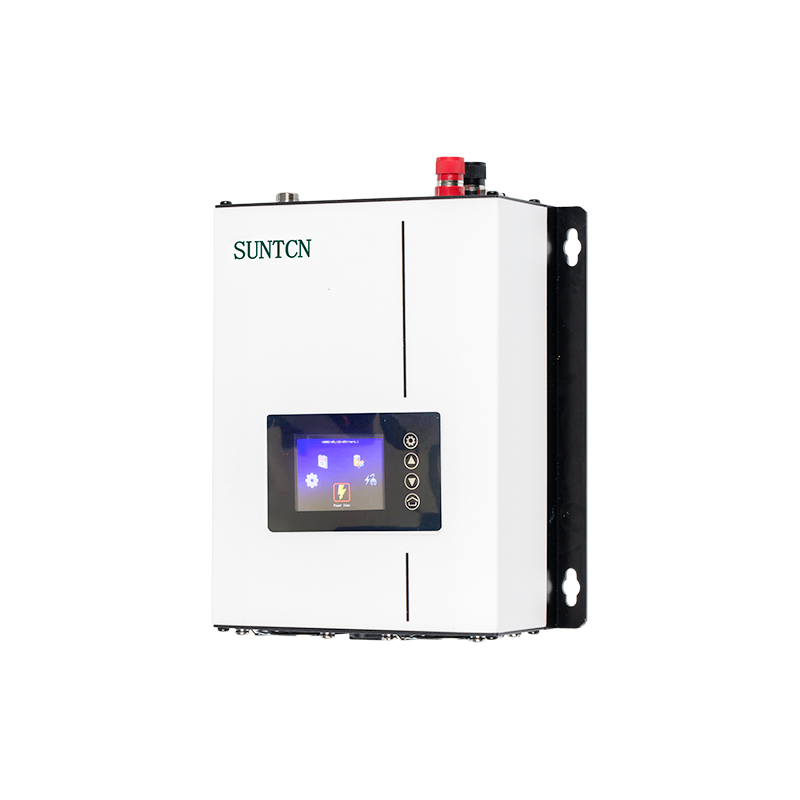
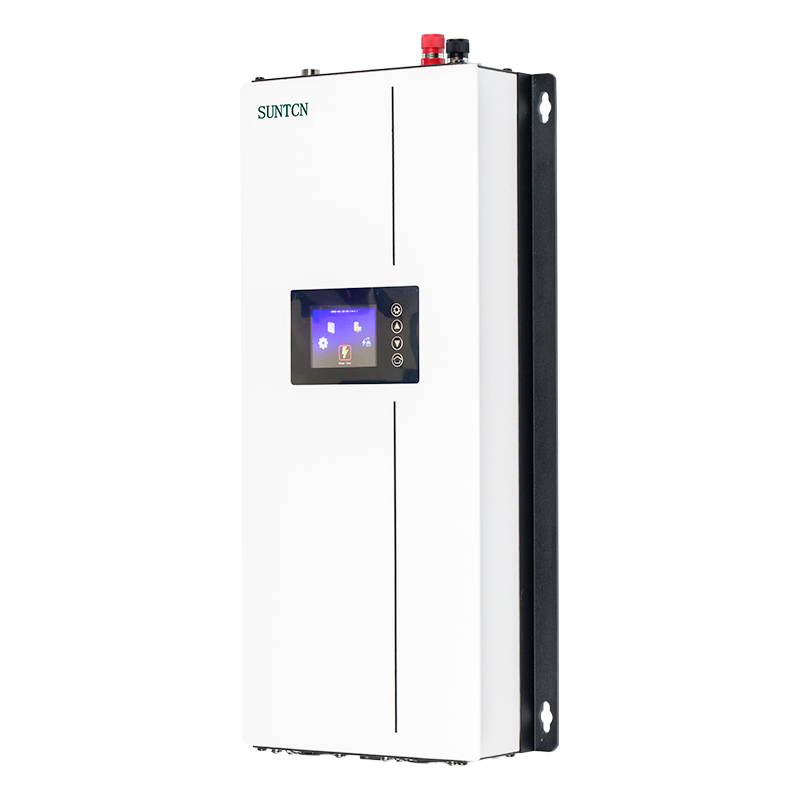
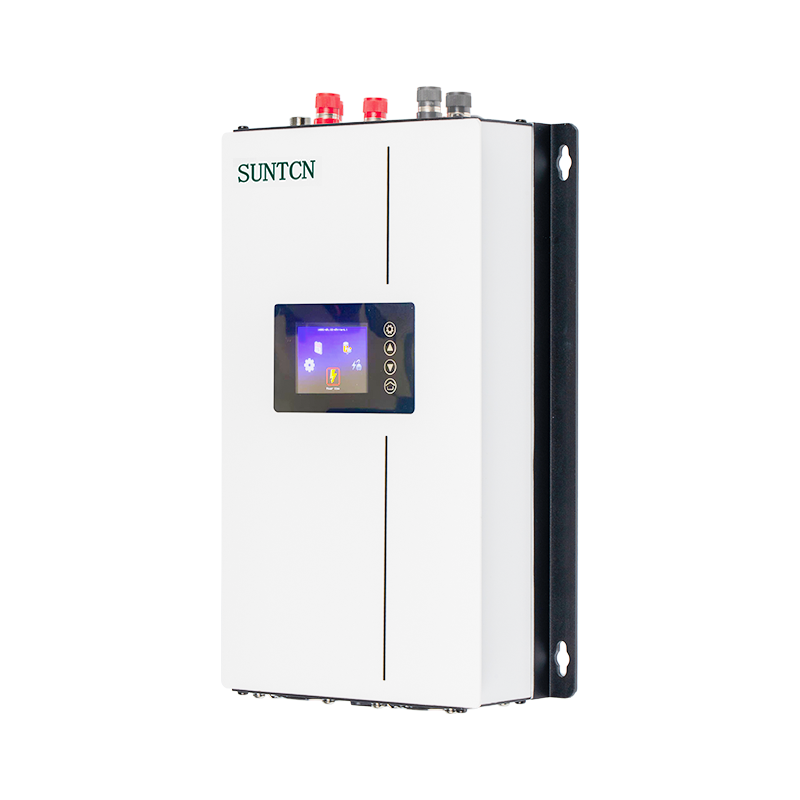
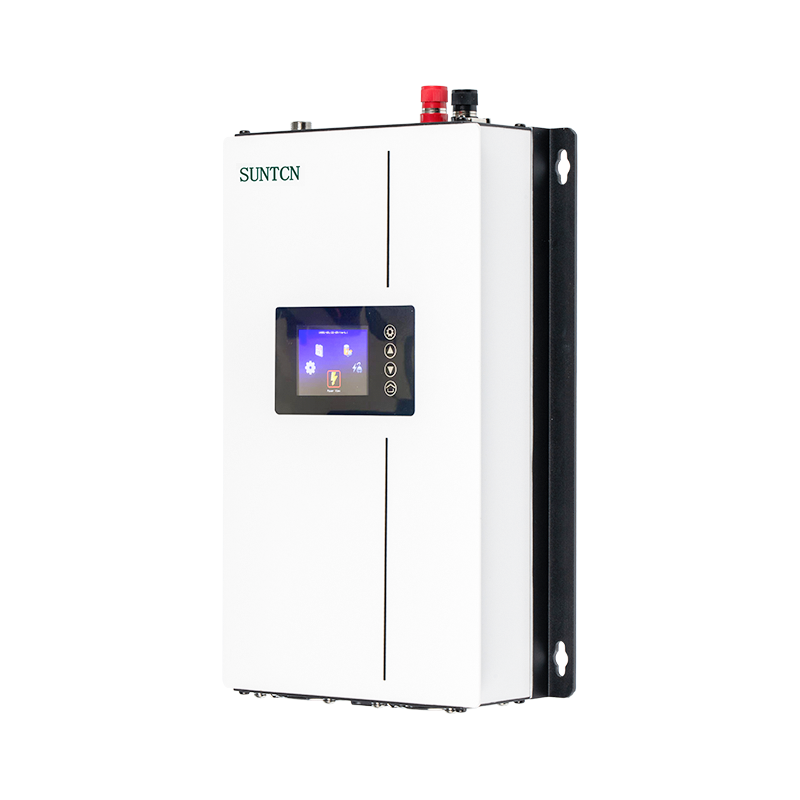
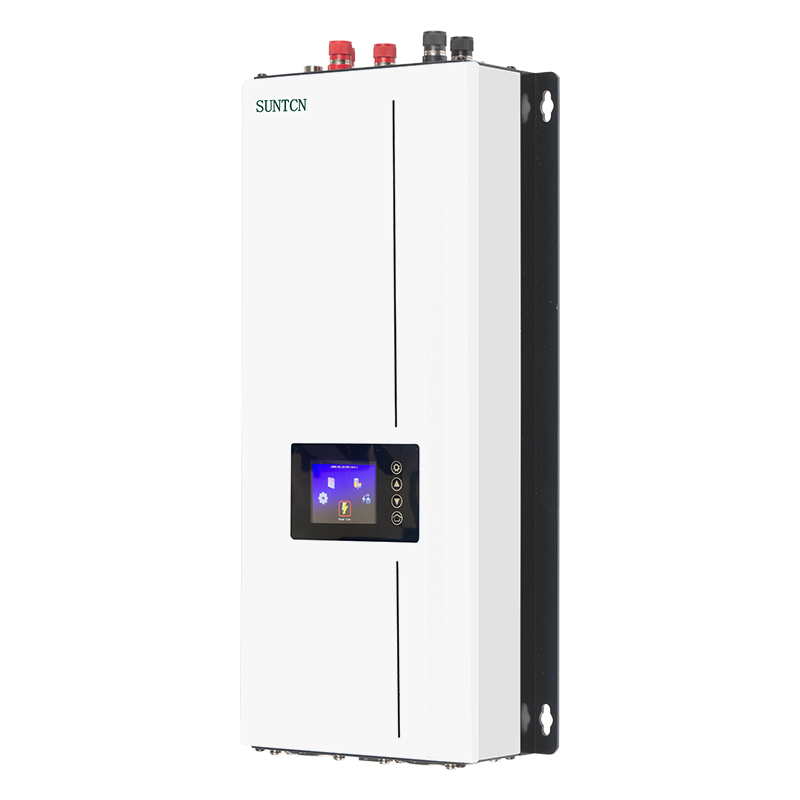
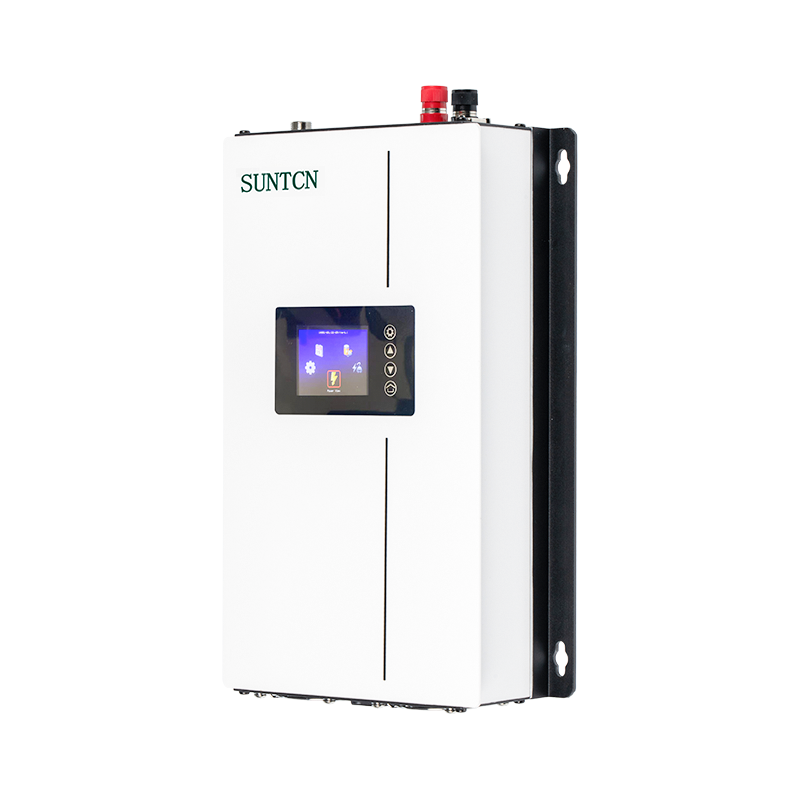
A 1000W solar grid tie inverter is a key component in residential and small-scale solar energy systems. It converts the direct current (DC) generated by solar panels into alternating current (AC) suitable for home appliances and feeds excess energy into the utility grid. By synchronizing with the grid voltage and frequency, it ensures efficient energy utilization and enables users to benefit from net metering.
Modern 1000W grid tie inverters are compact, highly efficient, and come with protective features like overvoltage, overcurrent, and anti-islanding protection. Their performance directly impacts the reliability and efficiency of solar power systems, making proper selection and installation essential.
Working Principles of Grid Tie Inverters
The primary function of a 1000W solar grid tie inverter is to convert DC electricity produced by solar panels into AC electricity that matches the utility grid. This involves:
- DC to AC conversion using high-frequency switching technology for minimal energy loss.
- Grid synchronization to align voltage, frequency, and phase with the utility network.
- Power Point Tracking (MPPT) to optimize energy harvest from the solar panels under varying sunlight conditions.
Types of 1000W Grid Tie Inverters
While inverters perform similar core functions, there are different types based on system requirements and additional features:
String Inverters
String inverters connect a series of solar panels (a string) to a single inverter. This is suitable for installations with uniform panel orientation and shading conditions. Advantages include cost-effectiveness and simplified maintenance, although partial shading may reduce overall efficiency.
Microinverters
Microinverters are installed on each solar panel, converting DC to AC individually. This maximizes energy harvest under partial shading and varying panel orientations. While more expensive, microinverters improve overall system performance and provide panel-level monitoring.
Hybrid Inverters
Hybrid inverters combine grid tie functionality with energy storage support. They allow solar energy to be stored in batteries for later use, providing backup power and self-consumption. Hybrid inverters are ideal for areas with unreliable grid supply or for homeowners seeking energy independence.
Installation Guidelines
Proper installation of a 1000W grid tie inverter ensures performance and safety. Key considerations include:
- Location: Install the inverter in a shaded, well-ventilated area to prevent overheating and ensure longevity.
- Wiring: Use appropriately rated cables to connect solar panels and the grid, minimizing voltage drops and ensuring safety.
- Grounding: Proper grounding is essential to prevent electrical hazards and comply with local electrical codes.
- Monitoring: Set up inverter monitoring via apps or display units to track energy production and system health.
Efficiency Optimization
To maximize the energy output of a 1000W solar grid tie inverter, several factors must be considered:
- Panel Orientation: Position solar panels for sun exposure, avoiding shadows from trees or buildings.
- Temperature Management: High temperatures reduce inverter efficiency; ensure adequate airflow and cooling solutions.
- Regular Maintenance: Clean panels and inspect connections periodically to maintain performance.
- MPPT Settings: Ensure the inverter’s MPPT algorithm is calibrated to extract energy under varying light conditions.
Safety Measures
Safety is critical when operating a grid-tied solar inverter. Recommended precautions include:
- Overcurrent Protection: Install fuses or circuit breakers to prevent damage from excessive current.
- Anti-islanding Protection: Ensures the inverter stops feeding the grid during power outages, protecting utility workers.
- Surge Protection: Protects the inverter from voltage spikes caused by lightning or grid disturbances.
- Regular Inspections: Periodically check cables, connections, and inverter housing for signs of wear or damage.
Comparing Popular 1000W Inverter Models
| Feature | String Inverter | Microinverter | Hybrid Inverter |
| Cost | Moderate | High | Highest |
| Efficiency | High | Very High | High |
| Scalability | Limited to string | Flexible per panel | Flexible with storage |
| Ideal Use | Uniform rooftop arrays | Shaded or complex layouts | Backup and off-grid support |
Conclusion
A 1000W solar grid tie inverter is an essential device for small-scale solar systems, enabling efficient energy conversion, grid synchronization, and net metering benefits. By understanding types, installation practices, efficiency optimization, and safety precautions, homeowners can maximize energy output and ensure reliable operation. Selecting the right inverter and maintaining it properly ensures long-term performance and energy savings.