 English
 Español
 Deutsch
Content
- 1 Basic Functional Differences
- 2 System Architecture and Energy Flow
- 3 Battery Integration and Energy Storage
- 4 Grid Interaction and Export Control
- 5 Backup Power and UPS Capability
- 6 Energy Management and Smart Control
- 7 Installation Complexity and System Integration
- 8 Efficiency and Conversion Losses
- 9 Cost Considerations and Return on Investment
- 10 Reliability and Maintenance
- 11 Comparison Table: Normal vs Hybrid Inverter
- 12 Choosing the Right Inverter for Your Application
In modern solar and backup power systems, inverters play a central role by converting DC electricity into usable AC power. A normal inverter and a hybrid inverter may look similar from the outside, but they are designed for different system architectures and energy management goals. Understanding the difference is essential when planning residential, commercial, or industrial energy systems, especially where solar generation, battery storage, and grid interaction are involved.
A normal inverter is typically designed to perform a single main function: converting DC power from a source such as solar panels or batteries into AC power for loads or grid export. A hybrid inverter, by contrast, integrates multiple functions into one device, allowing it to manage solar input, battery charging and discharging, grid interaction, and backup power switching in a coordinated way.
Basic Functional Differences
The fundamental difference between a normal inverter and a hybrid inverter is how many energy sources and energy paths the device can manage. This affects system complexity, flexibility, and overall performance.
Normal Inverter Functions
A normal inverter is usually designed for a specific application, such as a grid-tied solar inverter, an off-grid inverter, or a simple battery inverter. Each type focuses on a limited set of tasks. For example, a grid-tied inverter synchronizes with the utility grid and exports solar energy, but it normally cannot charge batteries or provide backup power during a grid outage without additional equipment.
Hybrid Inverter Functions
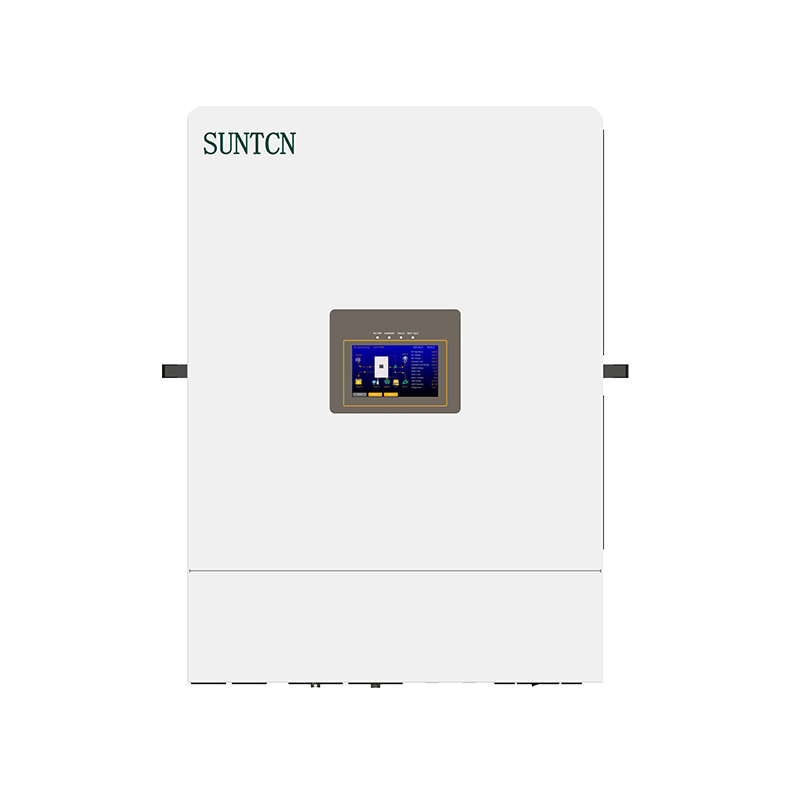
A hybrid inverter combines the functions of a solar inverter, battery charger, and energy management controller in one unit. It can accept input from solar panels, manage battery storage, supply power to loads, and interact with the utility grid. This integrated design allows the hybrid inverter to automatically decide whether to use solar, battery, or grid power based on system settings and real-time conditions.
System Architecture and Energy Flow
System architecture determines how energy flows between solar panels, batteries, loads, and the grid. The difference between normal and hybrid inverters becomes very clear when examining these energy paths.
In a typical normal inverter system, separate components are often required for different tasks. A solar inverter handles PV generation, a separate battery inverter or charger manages battery storage, and an external automatic transfer switch may be needed for backup power. This modular approach can work well, but it increases wiring complexity and system coordination requirements.
In a hybrid inverter system, these functions are consolidated. The hybrid inverter internally manages PV input, battery charging, battery discharging, and load supply. Energy flow is optimized through built-in control logic, reducing the need for multiple external devices and simplifying system design.
Battery Integration and Energy Storage
Battery support is one of the important practical differences between normal and hybrid inverters. This is especially relevant as energy storage becomes more common in residential and commercial solar systems.
Many normal inverters are not designed to work directly with batteries. If battery storage is required, a separate battery inverter or charge controller is needed. This adds cost, space requirements, and configuration complexity. In some cases, communication between devices may be limited, reducing overall system efficiency.
Hybrid inverters are specifically designed to integrate with battery systems. They typically support popular battery chemistries such as lithium iron phosphate and lead-acid. The hybrid inverter manages charge and discharge cycles, depth of discharge limits, and battery protection features. This tight integration improves battery utilization and extends battery life when properly configured.
Grid Interaction and Export Control
How an inverter interacts with the utility grid is another major difference. Normal inverters and hybrid inverters follow different approaches depending on their design purpose.
A standard grid-tied inverter is optimized for exporting solar power to the grid. It synchronizes with grid voltage and frequency and feeds power whenever solar generation is available. However, during a grid outage, it must shut down for safety reasons and cannot provide power to local loads unless paired with additional backup equipment.
A hybrid inverter can operate in both grid-connected and off-grid modes. During normal operation, it may export excess solar energy or use grid power when solar and battery are insufficient. During a grid outage, it can isolate from the grid and continue to supply power to critical loads using solar and batteries. This seamless transition is a key advantage for users who need backup power.
Backup Power and UPS Capability
Backup power capability is one of the visible differences for end users. Normal inverters generally do not provide true backup functionality on their own.
With a normal inverter, providing backup power usually requires additional equipment such as a battery inverter, external automatic transfer switch, or dedicated backup power system. The switchover time may be noticeable, and system configuration can be more complex.
Hybrid inverters often include built-in backup or EPS (Emergency Power Supply) outputs. These outputs can supply selected loads with minimal interruption when the grid fails. Some hybrid inverters offer near-UPS-level transfer times, making them suitable for sensitive equipment such as servers, medical devices, and communication systems.
Energy Management and Smart Control
Hybrid inverters are designed as energy management hubs, while normal inverters typically have more limited control features. This difference becomes important for users who want to optimize energy costs and self-consumption.
- Hybrid inverters can prioritize solar power for loads, then batteries, and finally grid power.
- They can be programmed to charge batteries during off-peak grid tariff periods.
- They can limit or prevent grid export to comply with utility regulations.
Normal inverters usually focus on efficient DC-to-AC conversion and basic monitoring. Advanced energy management features typically require external energy management systems or smart meters.
Installation Complexity and System Integration
From an installer’s perspective, system complexity is an important practical factor. Normal inverter systems with batteries and backup functions often require multiple devices, more wiring, and more configuration steps.
Hybrid inverters can simplify installation by reducing the number of separate components. Integrated battery chargers, built-in transfer switches, and unified monitoring platforms reduce wiring time and potential points of failure. However, hybrid inverters may require more careful initial configuration to ensure that all operating modes and protections are set correctly.
Efficiency and Conversion Losses
Efficiency is influenced not only by inverter specifications, but also by how many times energy is converted between DC and AC. In normal inverter systems with separate battery inverters, energy may be converted multiple times, increasing cumulative losses.
Hybrid inverters can reduce unnecessary conversions by managing DC-coupled solar and battery systems internally. This can improve overall system efficiency, especially in systems with frequent battery charging and discharging cycles.
Cost Considerations and Return on Investment
Cost is a key decision factor. A normal inverter may have a lower upfront price, making it attractive for simple grid-tied solar systems without storage. However, adding batteries and backup functionality later can significantly increase total system cost.
Hybrid inverters typically have a higher initial cost, but they can reduce overall system cost when batteries, backup power, and energy management features are required. By consolidating multiple functions into one device, hybrid inverters can lower installation labor, reduce equipment duplication, and improve long-term return on investment.
Reliability and Maintenance
Reliability depends on both hardware quality and system design. Normal inverter systems with multiple devices may have more potential failure points, but they also offer modular replacement options.
Hybrid inverters centralize many functions into one unit. This can simplify troubleshooting and monitoring, but it also means that a single device failure may affect multiple system functions. For this reason, selecting a high-quality hybrid inverter with strong manufacturer support is especially important.
Comparison Table: Normal vs Hybrid Inverter
| Feature | Normal Inverter | Hybrid Inverter |
| Battery Support | Limited or external | Built-in |
| Backup Power | Requires extra devices | Integrated EPS/UPS |
| Energy Management | Basic | Advanced |
| System Complexity | Higher with storage | Lower with storage |
Choosing the Right Inverter for Your Application
Choosing between a normal inverter and a hybrid inverter should be based on your current and future energy needs. If your system is focused only on grid-tied solar without storage or backup, a normal inverter may be sufficient and more cost-effective.
If you plan to add batteries, require backup power, want to maximize self-consumption, or need advanced energy management, a hybrid inverter is usually the better long-term choice. Its integrated design supports more flexible system configurations and provides greater resilience in the face of grid instability or rising energy costs.