 English
 Español
 Deutsch
Content
- 1 Understanding How Grid-Tie Inverters Function
- 2 Can Grid-Tie Inverters Actually Power Your Entire Home
- 3 Determining the Right System Size for Your Household
- 4 The Grid-Dependent Limitation and Outage Considerations
- 5 Hybrid Inverters and Battery Storage Solutions
- 6 Economic Considerations and Return on Investment
- 7 Installation Requirements and Electrical Considerations
- 8 Maintenance and Long-Term Performance Expectations
- 9 Making the Decision: Is Grid-Tie Solar Right for Your Whole-House Power Needs
Understanding How Grid-Tie Inverters Function
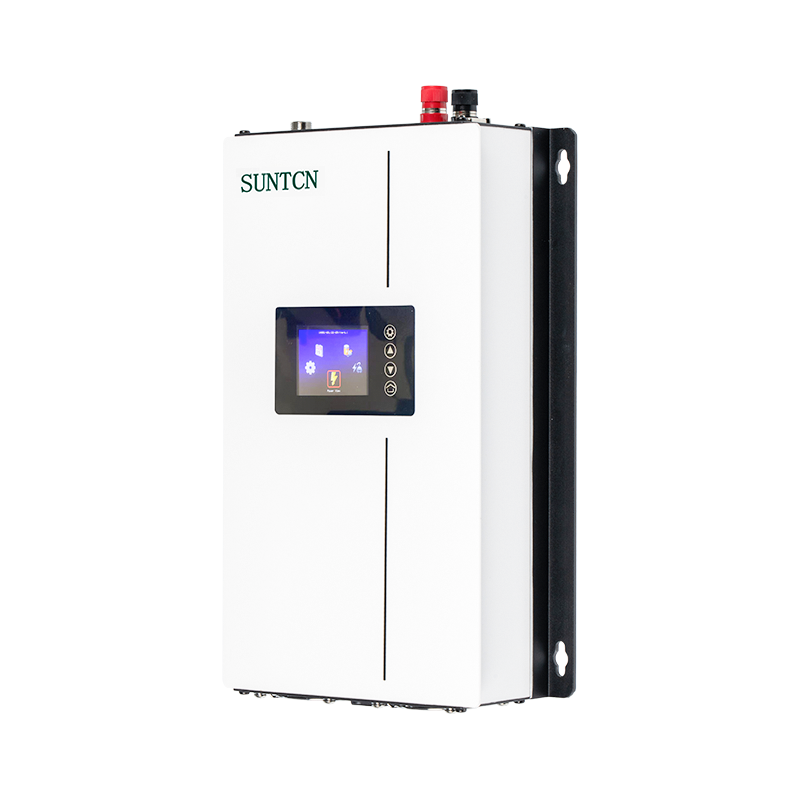
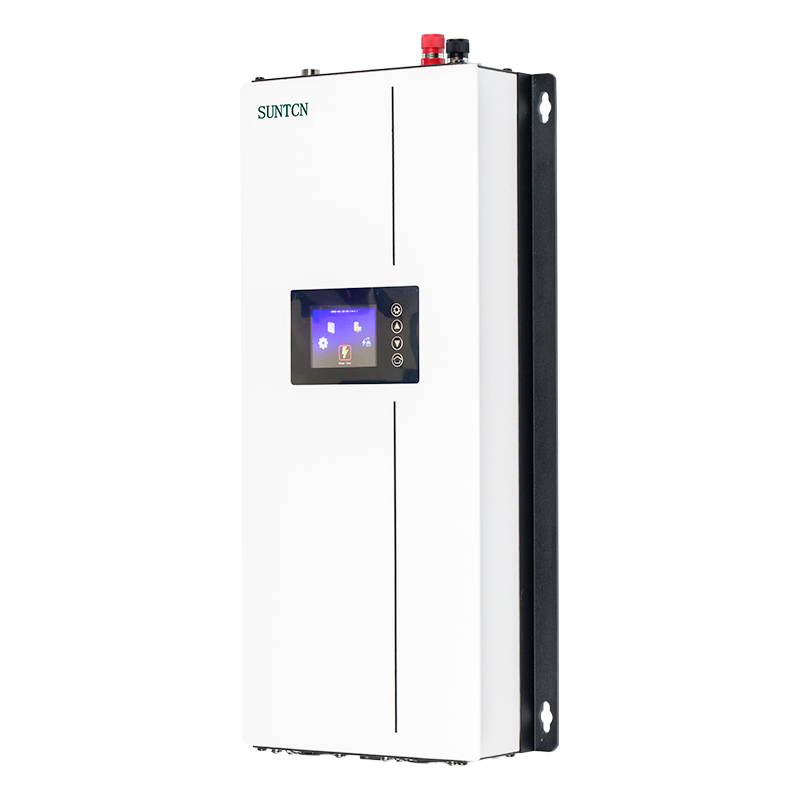
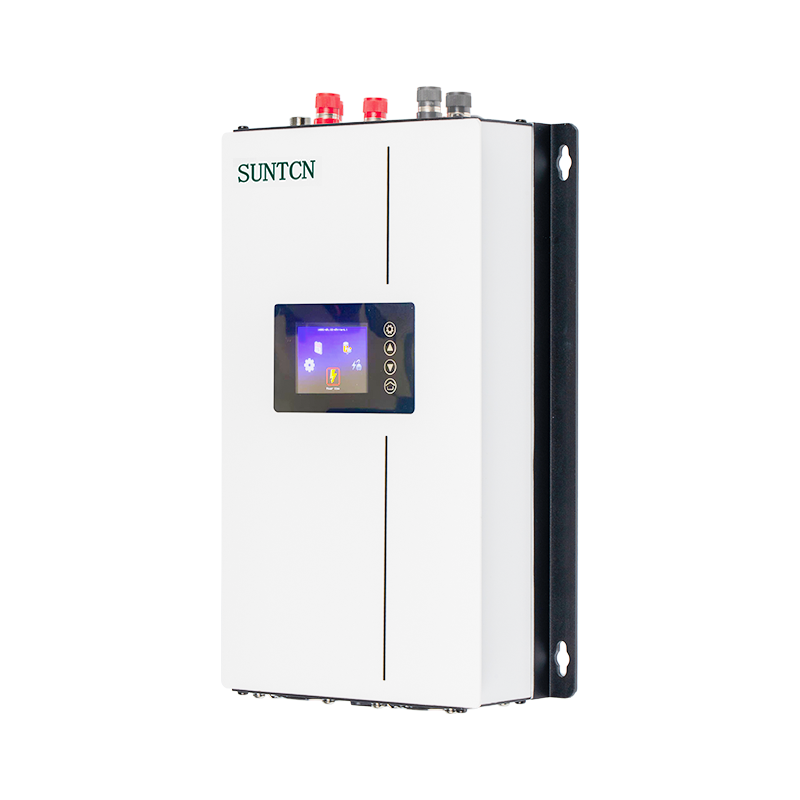
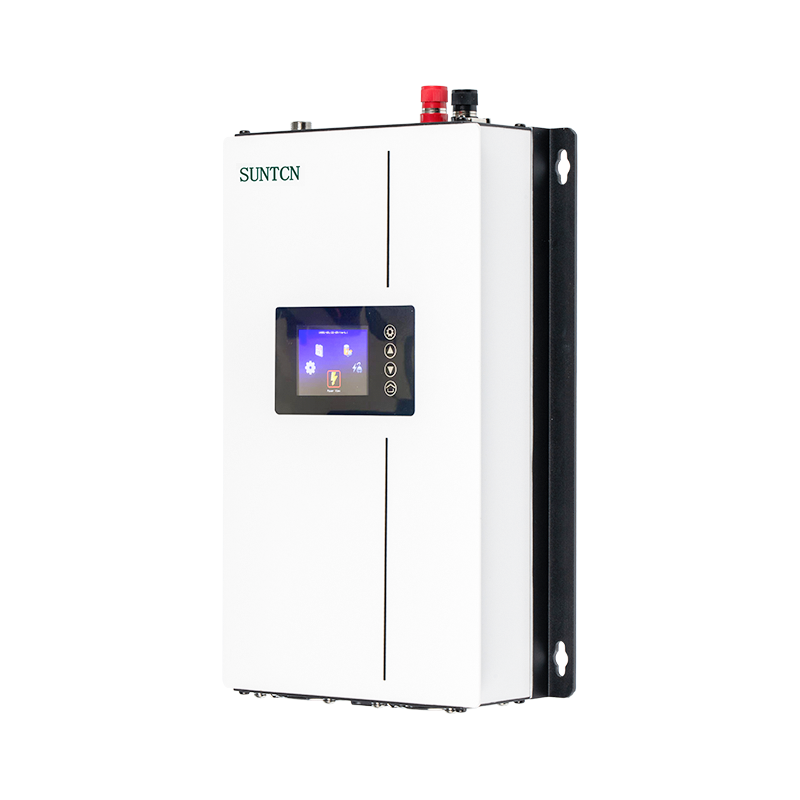
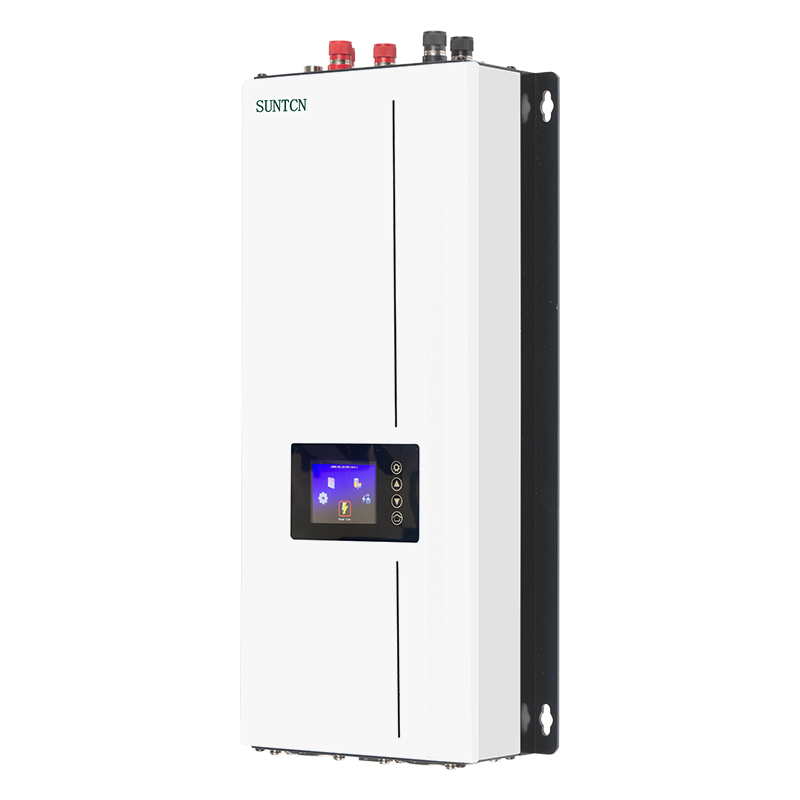
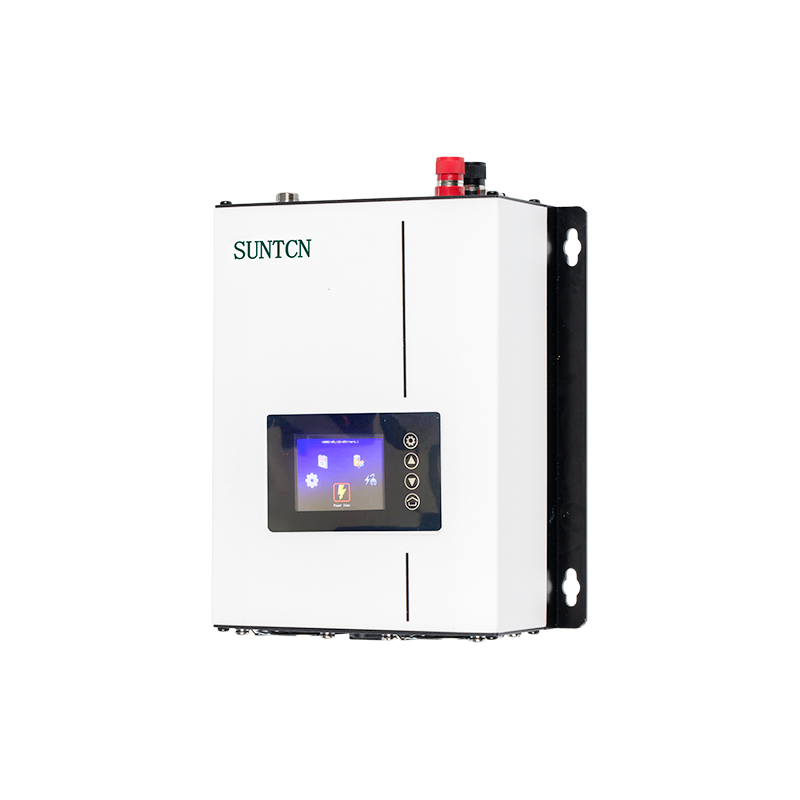
A solar grid-tie inverter serves as the critical interface between your solar panel array and the electrical grid, converting the direct current (DC) electricity generated by solar panels into alternating current (AC) electricity compatible with household appliances and the utility grid. Unlike standalone or off-grid inverters that operate independently, grid-tie inverters synchronize precisely with the utility grid's voltage and frequency, allowing seamless integration of solar-generated power with grid-supplied electricity. This synchronization enables a bidirectional flow of energy—when your solar panels produce more electricity than your home consumes, the excess flows back to the grid, often earning credits through net metering programs.
The fundamental operating principle involves sophisticated power electronics that continuously monitor grid conditions and adjust output accordingly. Modern grid-tie inverters employ power point tracking (MPPT) algorithms that optimize energy harvest from solar panels across varying sunlight conditions, temperatures, and shading scenarios. These intelligent systems constantly adjust operating parameters to extract available power from the photovoltaic array. However, a critical characteristic of standard grid-tie inverters is their grid-dependent operation—they automatically shut down when grid power fails, a safety feature required by electrical codes to protect utility workers from unexpected power backfeed during outages. This shutdown behavior has important implications for whole-house power considerations that we will explore throughout this article.
Can Grid-Tie Inverters Actually Power Your Entire Home
The answer to whether a grid-tie inverter can power your whole house is nuanced and depends on multiple factors including system sizing, timing of energy consumption, and operational conditions. During daylight hours when solar panels generate electricity, a properly sized grid-tie inverter system can indeed meet or exceed your home's instantaneous power demands. The key word here is "instantaneous"—the system must produce enough power at any given moment to match what your household is consuming. If your solar array generates 8 kilowatts during peak sun hours and your home is consuming 6 kilowatts running air conditioning, appliances, and electronics, the grid-tie inverter successfully powers everything with 2 kilowatts surplus flowing back to the grid.
However, significant limitations exist that prevent standard grid-tie systems from providing complete energy independence. Solar panels only generate electricity during daylight hours, with production varying based on weather conditions, season, and time of day. Your home requires continuous power 24 hours daily, including nighttime when solar generation drops to zero. Without battery storage, a grid-tie system relies on the utility grid to supply power during non-production hours and supplement during periods when solar output cannot meet demand. Additionally, the anti-islanding safety feature means standard grid-tie inverters shut down completely during grid outages, leaving your home without power even on sunny days when panels could theoretically generate electricity. This represents a fundamental limitation that surprises many homeowners expecting their solar investment to provide backup power during outages.
Determining the Right System Size for Your Household
Properly sizing a grid-tie inverter system requires careful analysis of your home's energy consumption patterns, available roof or ground space for panels, local solar resource availability, and budget considerations. The process begins with examining your electricity bills from the past 12 months to establish annual consumption measured in kilowatt-hours (kWh). residential homes in the United States consume between 8,000 and 15,000 kWh annually, though this varies significantly based on climate, home size, insulation quality, and lifestyle factors.
| Annual Consumption | Recommended System Size | Approximate Panel Quantity | Typical Inverter Capacity |
| 8,000 kWh/year | 5-6 kW | 15-18 panels (330W each) | 5-6 kW |
| 10,000 kWh/year | 7-8 kW | 21-24 panels (330W each) | 7.6-8 kW |
| 12,000 kWh/year | 9-10 kW | 27-30 panels (330W each) | 10 kW |
| 15,000 kWh/year | 11-13 kW | 33-39 panels (330W each) | 12 kW |
Beyond annual consumption totals, understanding your peak demand—the instantaneous power draw—is equally important for inverter sizing. Peak demand typically occurs when multiple high-power appliances operate simultaneously, such as air conditioning, electric water heater, oven, and clothes dryer all running at once. A home might average 1.5 kW consumption over 24 hours but experience peak demands exceeding 10 kW during certain periods. The grid-tie inverter must be rated to handle these peak loads if you expect the system to power your home during such high-demand moments. installers recommend sizing inverters at 80-100% of the solar array's DC rating, accounting for efficiency losses during DC-to-AC conversion while ensuring the inverter can handle the panel array's output without clipping or limiting production.
The Grid-Dependent Limitation and Outage Considerations
One of the significant misconceptions about grid-tie solar systems is that they provide backup power during utility outages. In reality, standard grid-tie inverters are specifically designed to shut down when the grid goes offline, a safety requirement known as anti-islanding protection. This feature prevents the solar system from energizing downed power lines during outages, which would create lethal hazards for utility workers attempting repairs. While this safety measure is necessary and legally mandated, it means your solar panels sit idle during outages even on perfectly sunny days when they could theoretically generate abundant electricity.
This limitation frustrates many homeowners who invested in solar partly for energy security, only to discover their lights go out along with neighbors' during storms or other grid disruptions. The grid-dependent nature of standard inverters means that for true whole-house power capability including outage scenarios, additional equipment is necessary. Understanding this limitation upfront prevents disappointment and allows for informed decision-making about whether to invest in hybrid systems or battery backup solutions that can provide genuine energy independence and resilience against grid failures.
Hybrid Inverters and Battery Storage Solutions
For homeowners seeking true whole-house power capability including during grid outages, hybrid inverters combined with battery storage offer a comprehensive solution. Hybrid inverters, also called battery-based or multi-mode inverters, can operate in multiple configurations including grid-tied mode during normal conditions, battery backup mode during outages, and off-grid mode when completely disconnected from utilities. These sophisticated devices manage power flow between solar panels, batteries, the grid, and household loads, automatically switching between operating modes based on conditions and programmed priorities.
Battery storage systems paired with hybrid inverters enable several operational capabilities that standard grid-tie systems cannot provide. During grid outages, the system isolates from the utility and forms a microgrid using solar production and stored battery energy to power critical or whole-house loads depending on system sizing. Time-of-use optimization allows the system to store solar energy during the day and discharge it during expensive evening peak rate periods, economic benefits in areas with time-varying electricity rates. Self-consumption maximization uses battery storage to capture excess solar production that would otherwise export to the grid, increasing the proportion of home energy needs met by solar rather than grid electricity.
Battery Capacity Considerations
Determining appropriate battery capacity for whole-house backup requires analyzing which loads must remain operational during outages and for how long. A typical home uses 25-30 kWh daily, but prioritizing essential loads like refrigeration, lighting, internet connectivity, and select outlets reduces backup requirements to perhaps 10-15 kWh daily. Battery systems are measured in usable capacity—the amount of energy they can actually deliver while maintaining battery health. Popular residential batteries like the Tesla Powerwall provide 13.5 kWh usable capacity, LG Chem RESU offers 9.8-16 kWh depending on model, and Enphase IQ batteries are modular with 3.36 kWh per unit allowing flexible scaling. Multiple batteries can be combined for increased capacity, with whole-house backup during extended outages requiring 20-40 kWh or more depending on consumption patterns and solar recharge capabilities.
Economic Considerations and Return on Investment
The financial viability of grid-tie inverter systems depends on multiple factors including installation costs, available incentives, local electricity rates, net metering policies, and system performance over time. As of 2024, residential solar installations typically cost between $2.50 and $3.50 per watt before incentives, meaning a 10 kW system might cost $25,000-$35,000. The federal Investment Tax Credit currently provides a 30% tax credit, reducing effective costs significantly. Additional state and local incentives vary by location but can further improve economics through rebates, performance payments, or property tax exemptions.
Payback periods for grid-tie systems typically range from 6 to 12 years depending on electricity rates and system costs, with higher electricity costs generally producing faster payback. Net metering policies dramatically impact economics—states with full retail rate net metering provide credits equal to retail electricity prices for exported solar, value, while regions with less favorable net metering or export limitations reduce the financial benefits of oversized systems. Adding battery storage extends payback periods by 3-7 years due to battery costs typically ranging from $8,000-$15,000 for residential installations, though non-economic benefits like backup power resilience and energy independence may justify the additional investment for many homeowners.
Installation Requirements and Electrical Considerations
Installing a grid-tie inverter system capable of powering your whole house involves several electrical and structural requirements that must be properly addressed for safe, legal, and operation. The main electrical panel may require upgrading if its capacity cannot accommodate the solar system backfeed—older homes with 100-amp service often need upgrades to 200-amp service to safely integrate larger solar systems. A dedicated circuit breaker for the solar inverter output connects to the main panel, typically sized at 125% of the inverter's output current to provide appropriate overcurrent protection.
- Proper grounding and bonding throughout the solar system protects against electrical faults and lightning strikes, with all metal components including panel frames, racking, and inverter enclosures bonded to the building's grounding electrode system according to National Electrical Code requirements.
- Rapid shutdown systems meet modern code requirements that enable responders to quickly de-energize solar arrays during emergencies, typically using module-level power electronics or specialized rapid shutdown equipment integrated into the inverter system.
- AC and DC disconnect switches provide manual isolation points for maintenance and emergency shutdown, positioned according to code requirements for accessibility and proper labeling indicating their function and the presence of multiple power sources.
- Inverter location selection considers ventilation requirements, temperature ratings, proximity to the main panel to minimize wire runs, and protection from weather exposure if outdoor-rated models are used versus indoor installations in garages or utility rooms.
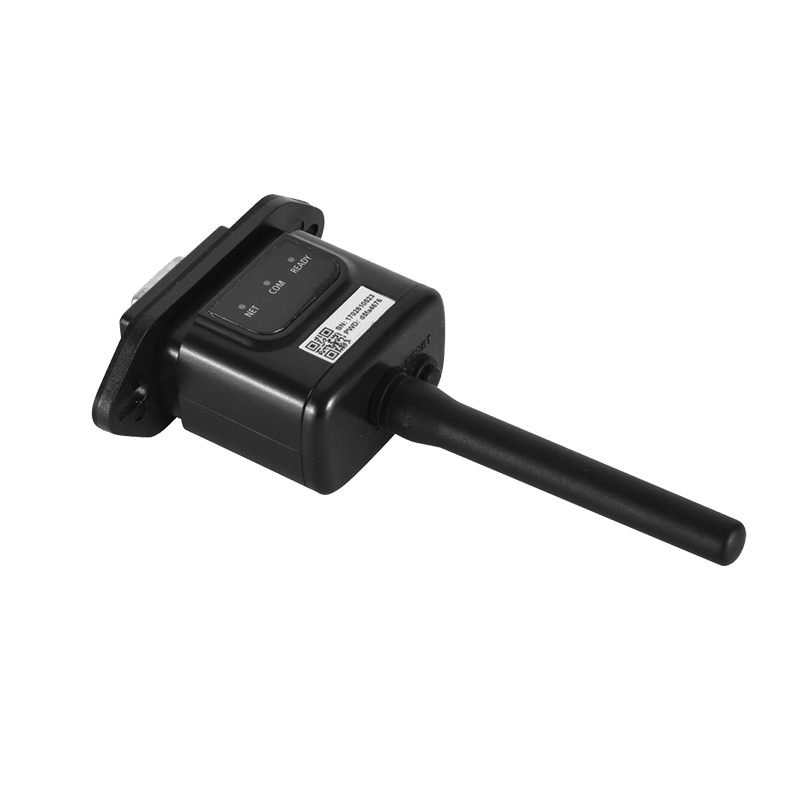
- Monitoring and communication systems connect the inverter to internet routers or cellular networks, enabling remote performance tracking, fault notification, and historical energy production analysis through manufacturer-provided platforms or third-party monitoring services.
Maintenance and Long-Term Performance Expectations
Grid-tie inverter systems require minimal maintenance compared to many home systems, though periodic attention ensures performance and longevity. Solar panels themselves need occasional cleaning in dusty environments or after extended dry periods, though many installations in areas with regular rainfall remain adequately clean through natural precipitation. Visual inspections several times yearly check for physical damage, loose connections, vegetation growth that might cause shading, or animal intrusion into wiring conduits or junction boxes. manufacturers recommend professional inspection every 3-5 years to verify electrical connections remain secure, grounding systems maintain proper continuity, and no degradation has occurred in system components.
Modern grid-tie inverters typically carry warranties of 10-12 years with options to extend to 20-25 years, reflecting manufacturer confidence in reliability. Solar panels generally warranty 25 years for power output, guaranteeing at least 80-85% of original capacity at the warranty end, with actual degradation averaging 0.5% annually meaning panels often significantly exceed warranty minimums. Monitoring system performance through inverter data helps identify developing issues before they become serious—gradual production decreases might indicate soiling, shading changes, or component degradation, while sudden drops often signal specific failures requiring immediate attention. Battery systems when included require more active management, with typical warranties of 10 years covering capacity retention above specified thresholds, usually 60-70% of original capacity depending on usage patterns and environmental conditions.
Making the Decision: Is Grid-Tie Solar Right for Your Whole-House Power Needs
Determining whether a grid-tie inverter system can effectively power your whole house requires honest assessment of your energy goals, consumption patterns, budget, and expectations. If your primary objective is reducing or eliminating monthly electricity bills while remaining connected to reliable grid power, a properly sized grid-tie system without batteries represents an excellent, cost-effective solution. You will effectively power your home during productive hours with grid support during nights and low-production periods, potentially achieving net-zero annual energy consumption through net metering credits that offset night-time grid usage with daytime solar exports.
However, if energy independence and backup power during outages rank among your priorities, standard grid-tie systems will disappoint despite their solar capabilities. In this case, investing in hybrid inverter systems with adequate battery storage becomes necessary, accepting higher upfront costs in exchange for true energy resilience. The decision ultimately depends on weighing the economic benefits of simpler grid-tie systems against the security and independence benefits of battery-backed configurations, considering your local electricity costs, incentive availability, outage frequency, and personal values regarding energy self-sufficiency. Consulting with multiple qualified solar installers who can perform detailed site assessments and provide customized proposals based on your specific situation, consumption data, and stated priorities ensures you select the system configuration that aligns with your whole-house power objectives and budget realities.