 English
 Español
 Deutsch
Content
- 1 What Is a Wind-Turbine Grid Tie Inverter?
- 2 How Does a Grid Tie Inverter Work in a Wind Power System?
- 3 Key Features of a High-Quality Wind-Turbine Grid Tie Inverter
- 4 Applications of Wind-Turbine Grid Tie Inverters
- 5 Technical Comparison Table
- 6 How to Choose the Right Inverter
- 7 Installation and Maintenance Tips
- 8 Conclusion
What Is a Wind-Turbine Grid Tie Inverter?
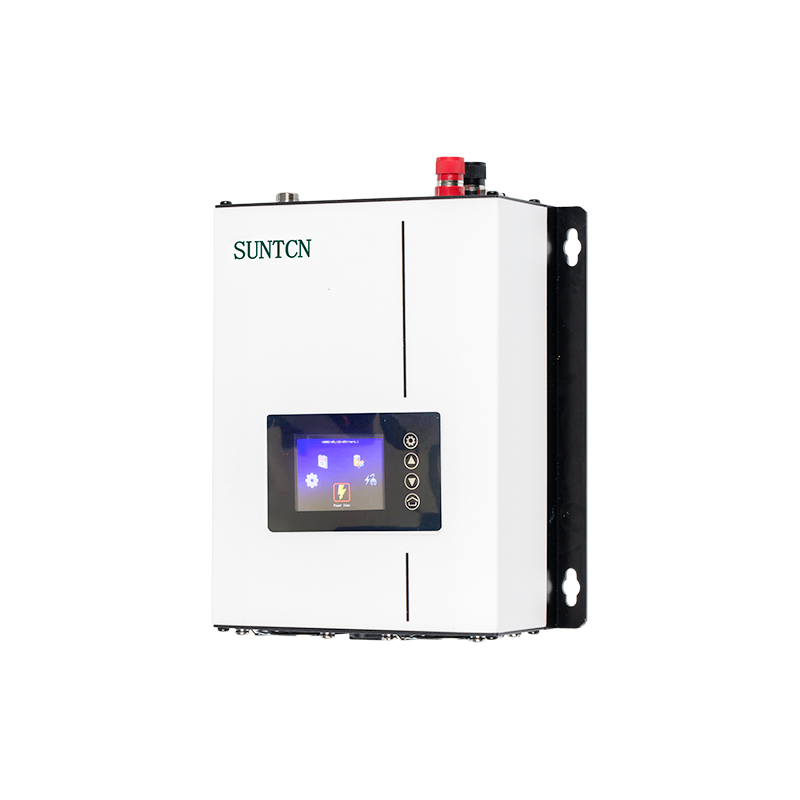
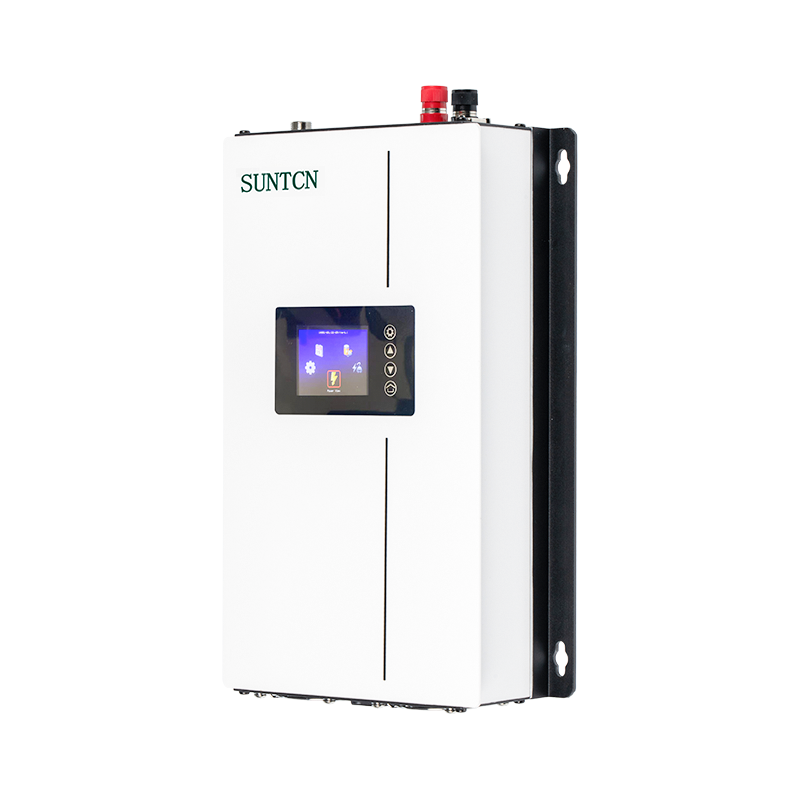
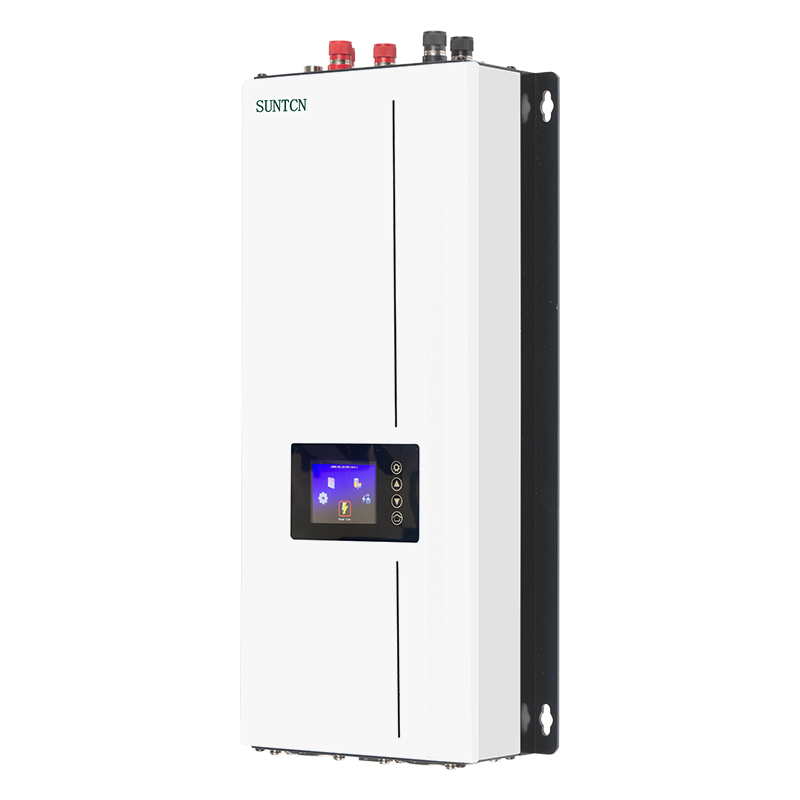
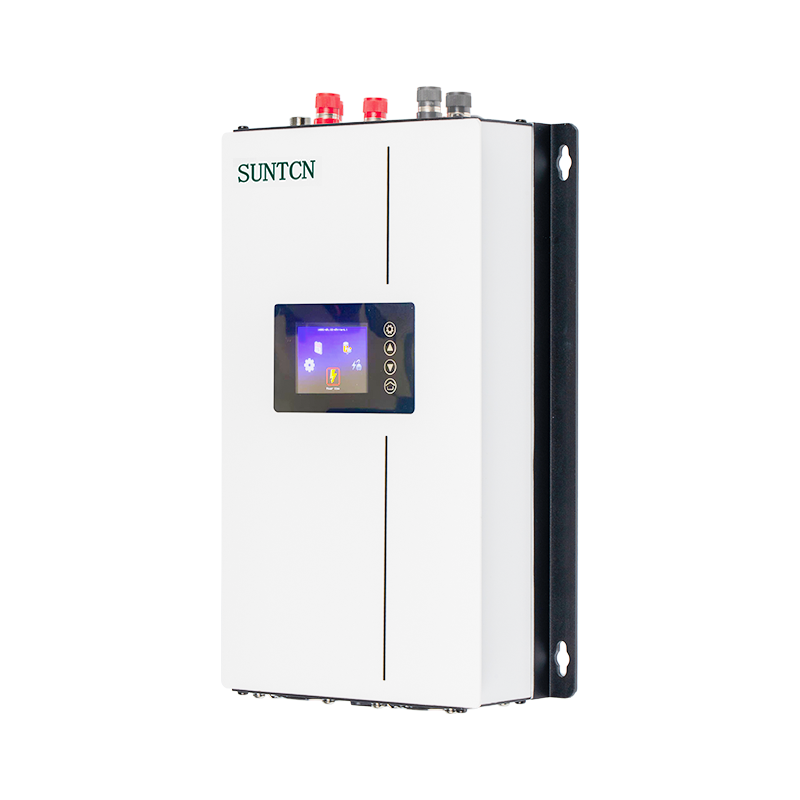
A Wind-Turbine Grid Tie Inverter is a critical power conversion device used in wind energy systems that are connected directly to the public utility grid. Its primary function is to convert the variable direct current (DC) or irregular alternating current (AC) electricity generated by a wind turbine into stable, grid-compatible AC power. This converted electricity can then be supplied to homes, commercial facilities, or fed back into the local utility network.
Unlike off-grid inverters that work with battery storage systems, grid tie inverters are specifically designed to synchronize with the voltage, frequency, and phase of the utility grid. This synchronization ensures safe power transmission and allows excess electricity generated by the wind turbine to be exported to the power company, often enabling net metering benefits.
For renewable energy installers, industrial buyers, and energy project developers, selecting the right wind-turbine grid tie inverter directly affects system efficiency, operational stability, and long-term return on investment.
How Does a Grid Tie Inverter Work in a Wind Power System?
Wind turbines generate electricity based on wind speed, rotor size, and generator design. Since wind conditions continuously change, the electrical output is often unstable in voltage and frequency. A grid tie inverter solves this problem by processing the generated power and transforming it into utility-standard electricity, typically 120V/240V at 50Hz or 60Hz depending on the region.
The inverter receives electrical energy from the turbine controller or rectifier. It then uses intelligent power electronics, such as IGBT modules and DSP control systems, to perform voltage stabilization, waveform shaping, and phase synchronization.
- Captures fluctuating power from the wind turbine
- Converts raw power into sinusoidal AC output
- Matches grid frequency and phase
- Feeds power safely into the utility network
This process allows wind-generated electricity to be efficiently utilized without requiring large-scale battery banks.
Key Features of a High-Quality Wind-Turbine Grid Tie Inverter
High Conversion Efficiency
Efficiency is one of the important technical indicators. Premium models often provide conversion efficiency above 95%, minimizing power losses during conversion.
MPPT Function
Maximum Power Point Tracking (MPPT) technology helps the inverter continuously adjust operating parameters to extract the possible energy output from varying wind conditions.
Grid Protection Mechanism
Modern inverters include overvoltage, overcurrent, anti-islanding, short-circuit, and overtemperature protection to ensure system safety and compliance with local grid regulations.
Smart Monitoring
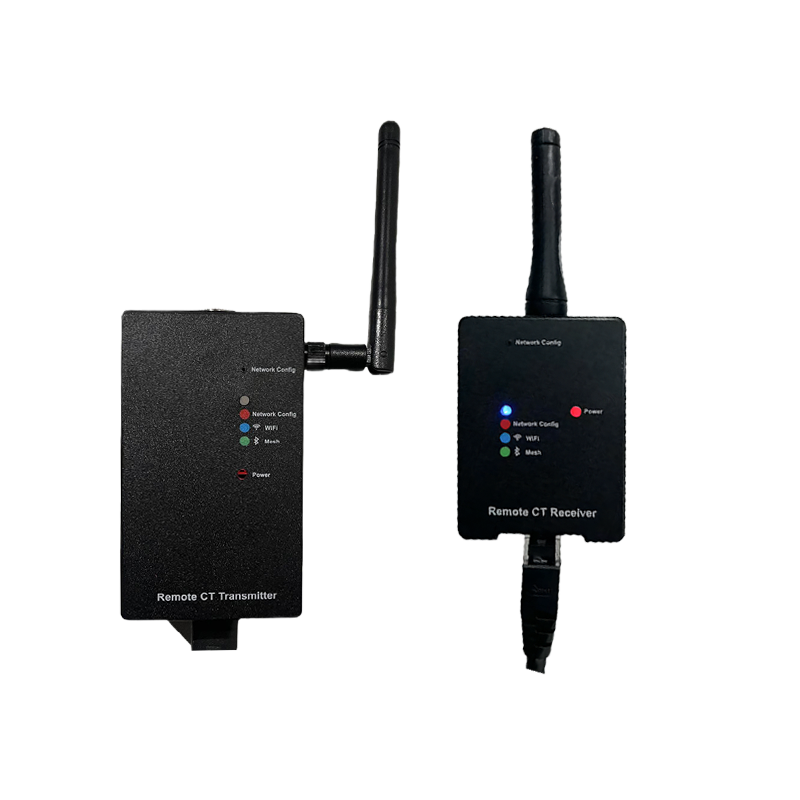
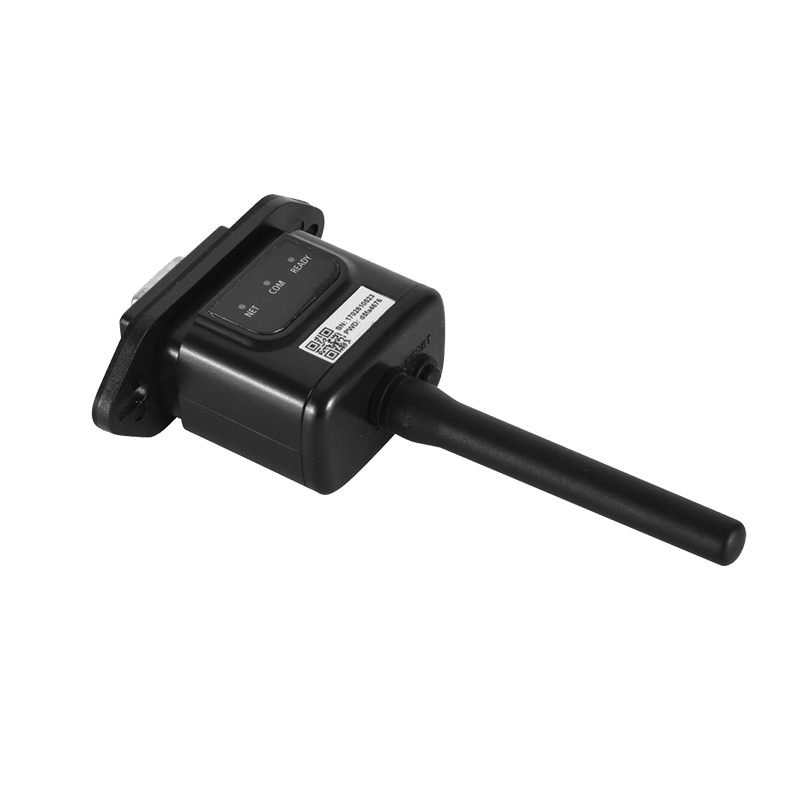
Advanced models offer LCD displays, Wi-Fi communication, remote monitoring apps, and real-time performance diagnostics for easier maintenance.
Applications of Wind-Turbine Grid Tie Inverters
These inverters are widely used across multiple sectors where renewable energy integration is required.
- Residential rooftop wind systems
- Commercial renewable power projects
- Agricultural farms and remote facilities
- Industrial energy-saving systems
- Hybrid solar-wind installations
Their flexibility makes them a preferred solution for users seeking lower electricity costs and sustainable energy generation.
Technical Comparison Table
| Parameter | Standard Model | Advanced Model |
| Efficiency | 92%–95% | 96%–98% |
| MPPT | Single Channel | Dual Channel |
| Monitoring | LCD | Wi-Fi + App |
| Protection Level | IP54 | IP65 |
How to Choose the Right Inverter
Choosing the correct wind-turbine grid tie inverter depends on several technical and project-specific factors. , the inverter’s rated power should match the turbine’s output capacity. Oversizing or undersizing can reduce efficiency and shorten equipment lifespan.
Second, buyers should verify local grid compliance certifications, such as CE, UL, or IEC standards. This is particularly important for commercial and export-oriented projects.
Environmental conditions should also be considered. Outdoor installations often require weather-resistant housing, enhanced cooling systems, and corrosion-resistant materials.
Installation and Maintenance Tips
Proper installation significantly impacts system reliability. The inverter should be mounted in a well-ventilated area away from direct sunlight and excessive moisture. Electrical connections must follow manufacturer guidelines and local safety codes.
- Inspect wiring connections regularly
- Clean ventilation filters and cooling fans
- Monitor performance data monthly
- Check for firmware updates
Routine maintenance helps maximize energy yield and reduce downtime.
Conclusion
A Wind-Turbine Grid Tie Inverter is the core component that makes wind energy practical for on-grid applications. From efficient power conversion and smart monitoring to grid synchronization and safety protection, the right inverter ensures performance and long-term reliability. Whether for residential, agricultural, or industrial use, investing in a high-quality inverter is essential for renewable energy benefits and achieving sustainable power goals.