 English
 Español
 Deutsch
Content
- 1 What Is a Hybrid Inverter and How Does It Work?
- 2 Why Is a Hybrid Inverter Different from a Traditional Solar Inverter?
- 3 What Are the Core Functions of a Hybrid Inverter?
- 4 Where Are Hybrid Inverters Commonly Used?
- 5 Why Is Battery Compatibility So Important?
- 6 How Can Buyers Choose the Right Hybrid Inverter?
- 7 Why Will Hybrid Inverters Continue to Lead the Market?
What Is a Hybrid Inverter and How Does It Work?
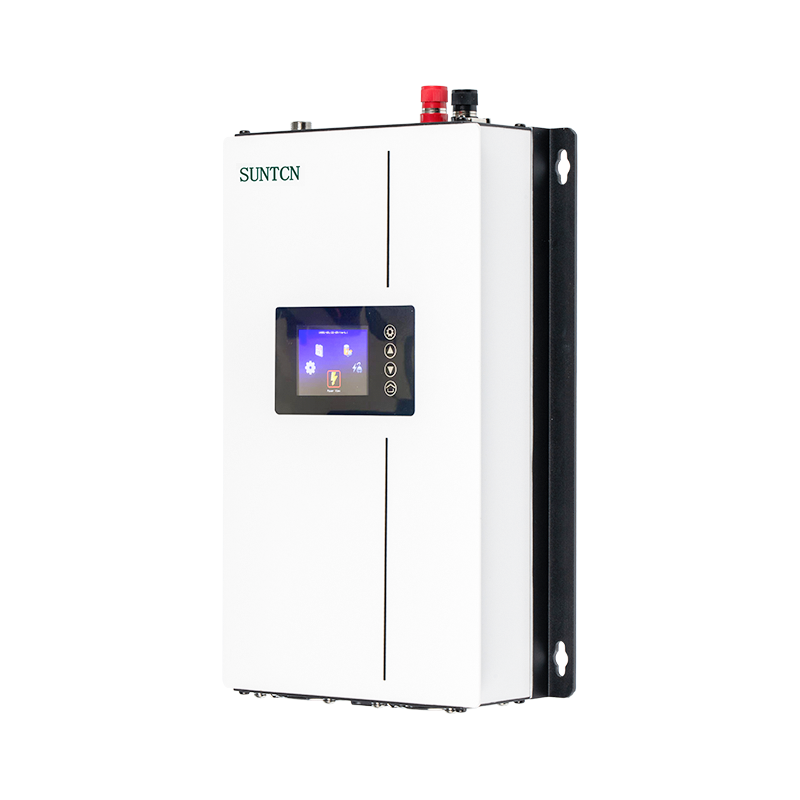
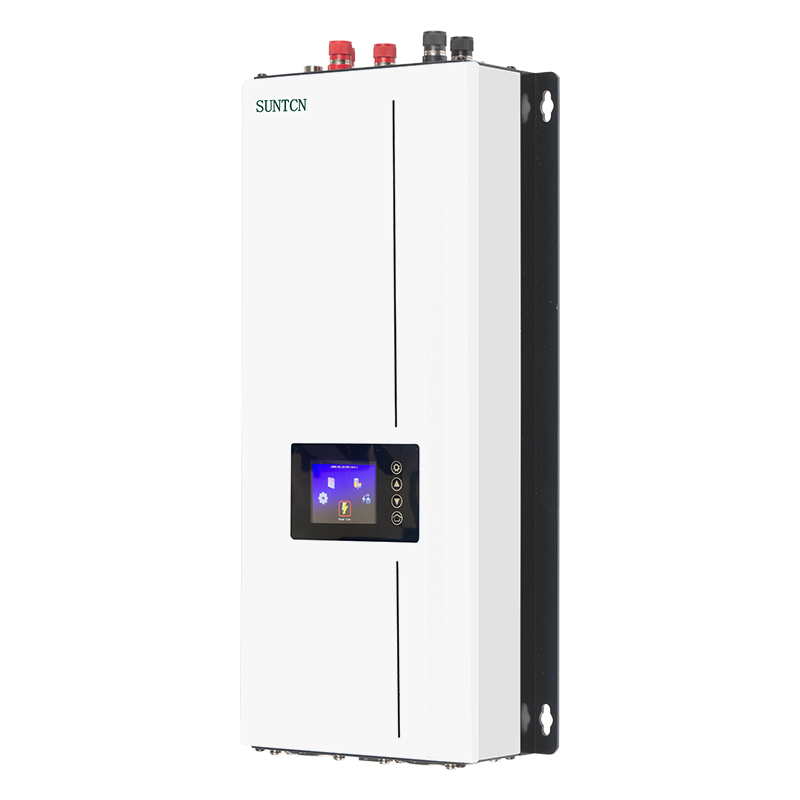
A hybrid inverter is one of the important components in modern solar power systems because it combines the functions of a traditional solar inverter with advanced battery management and grid interaction capabilities. Unlike a standard string inverter that only converts direct current (DC) generated by solar panels into alternating current (AC) for household or commercial use, a hybrid inverter intelligently manages multiple power sources, including solar panels, battery storage systems, the utility grid, and in some cases backup generators.
Its main purpose is to optimize energy flow. During the day, the hybrid inverter converts solar-generated DC electricity into usable AC power while simultaneously deciding whether excess energy should be stored in batteries or exported back to the grid. At night or during low sunlight conditions, it can automatically switch to battery power or draw electricity from the grid. This flexibility makes hybrid inverters an ideal solution for energy independence, lower electricity bills, and reliable backup power.
As global demand for renewable energy systems continues to rise, hybrid inverters are increasingly becoming the preferred choice for residential homes, commercial buildings, industrial facilities, and off-grid applications.
Why Is a Hybrid Inverter Different from a Traditional Solar Inverter?
The biggest difference lies in energy storage integration. Traditional inverters primarily focus on converting solar power for immediate consumption or grid export. A hybrid inverter adds battery charging, discharging, and intelligent load management functions.
| Feature | Traditional Inverter | Hybrid Inverter |
| Solar Conversion | Yes | Yes |
| Battery Storage | No / External | Integrated |
| Grid Interaction | Basic | Advanced |
| Backup Power | Limited | Strong |
This integration reduces system complexity because fewer external devices are required. It also simplifies installation, maintenance, and future system upgrades.
What Are the Core Functions of a Hybrid Inverter?
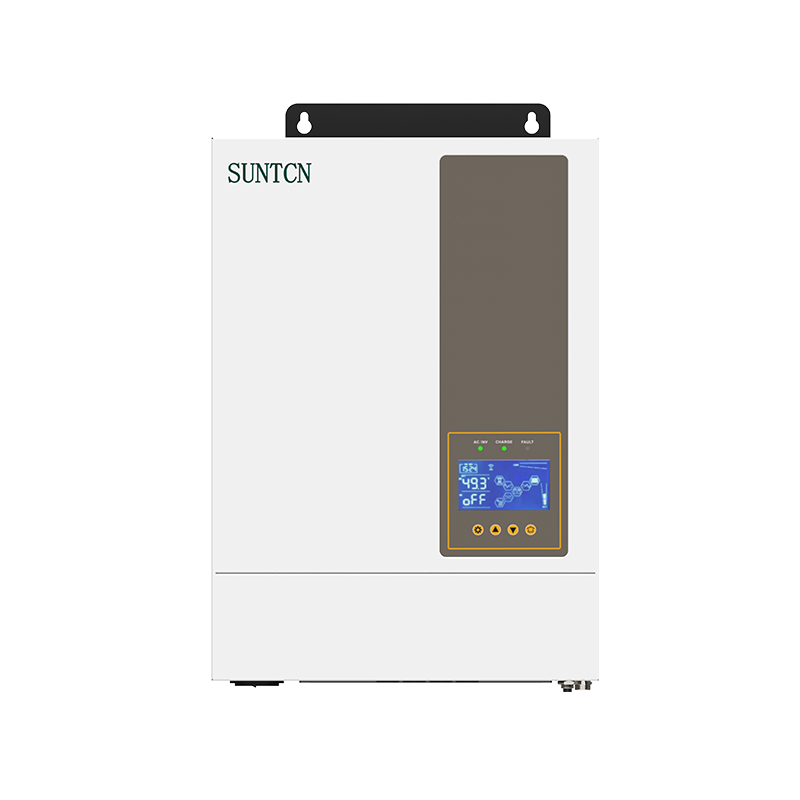
A high-performance hybrid inverter does much more than simple energy conversion. It acts as the intelligent control center of the entire solar energy system.
Main Functions
- DC to AC solar power conversion
- Battery charging and discharging management
- Automatic switching between solar, battery, and grid
- Energy export and import control
- Emergency backup power supply
Many advanced models also support remote monitoring through mobile applications or web platforms. This allows users to track energy production, battery status, household consumption, and grid interaction in real time.
Where Are Hybrid Inverters Commonly Used?
Hybrid inverters are widely used across multiple energy application scenarios because of their flexibility and efficiency.
Residential Solar Systems
For homeowners, hybrid inverters help maximize solar self-consumption. Instead of sending all surplus electricity back to the grid, excess daytime energy can be stored for nighttime use, reducing reliance on utility power and lowering electricity costs.
Commercial and Industrial Buildings
Businesses use hybrid inverters to improve operational reliability and reduce peak electricity demand charges. Stored battery power can be used during high-tariff periods, helping optimize energy expenses.
Off-Grid and Backup Systems
In remote locations or areas with unstable electricity supply, hybrid inverters provide dependable power continuity by integrating solar generation with battery storage and optional generator support.
- Villas and residential communities
- Commercial office buildings
- Factories and warehouses
- Telecommunication stations
Why Is Battery Compatibility So Important?
One of the key considerations when selecting a hybrid inverter is battery compatibility. Different systems support lithium-ion batteries, lead-acid batteries, or advanced lithium iron phosphate (LiFePO4) technologies.
Battery compatibility directly affects charging efficiency, lifecycle, safety performance, and system scalability. Modern hybrid inverters are often designed to support modular battery expansion, allowing users to increase storage capacity as energy demand grows.
This flexibility is especially valuable for commercial users planning long-term energy infrastructure investments.
How Can Buyers Choose the Right Hybrid Inverter?
Choosing the right hybrid inverter depends on system size, load requirements, and future expansion plans.
Important Selection Factors
- Power rating capacity
- Battery voltage compatibility
- Grid connection standards
- Backup switching speed
- Monitoring software support
For OEM buyers and distributors, certifications such as CE, IEC, UL, and local grid compliance standards are also essential. Reliable after-sales support and firmware upgrade capability should also be considered.
Why Will Hybrid Inverters Continue to Lead the Market?
As electricity prices rise and renewable energy adoption accelerates worldwide, hybrid inverters will continue to dominate the solar energy equipment market. Their ability to combine generation, storage, and intelligent grid management makes them a future-proof solution for both residential and commercial applications.
With ongoing advances in battery technology, smart energy management, and AI-based power optimization, hybrid inverters are expected to become even more efficient, intelligent, and widely adopted in the years ahead.