 English
 Español
 Deutsch
Content
Understanding the SUNT-12.0kW-HT as a High-Power Hybrid Inverter
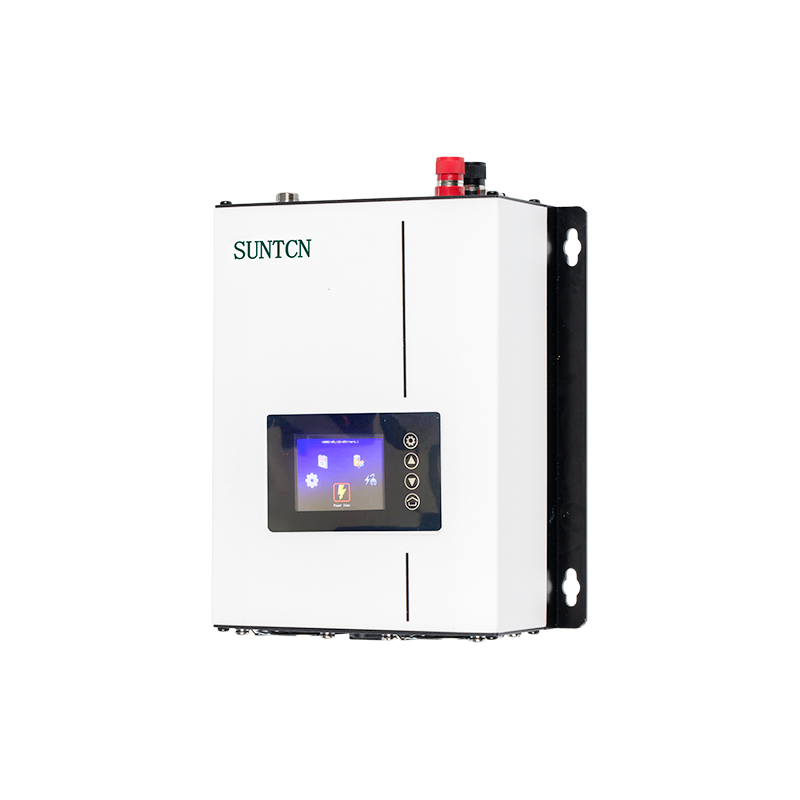
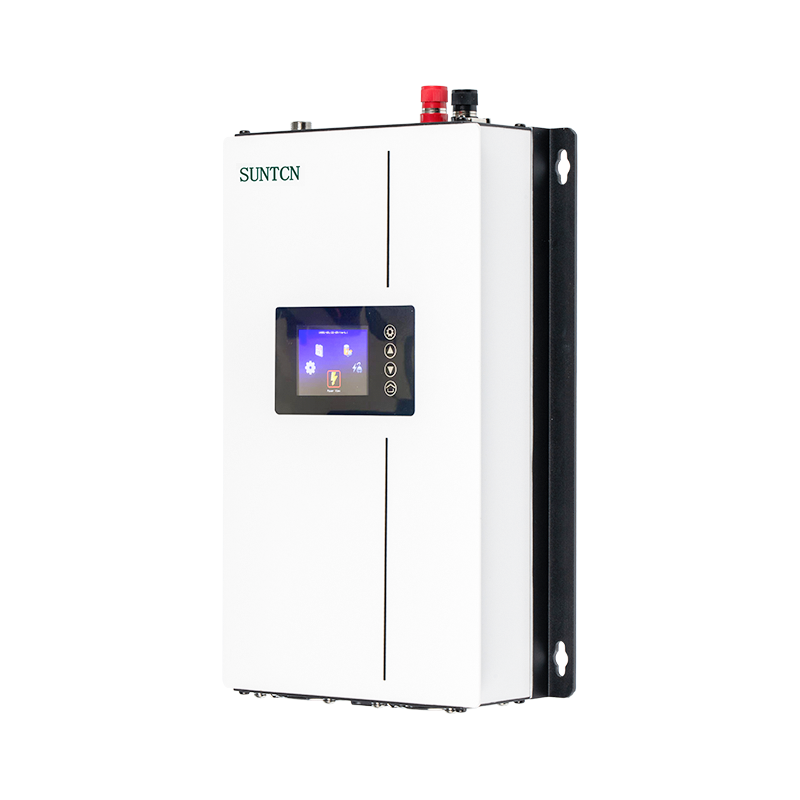
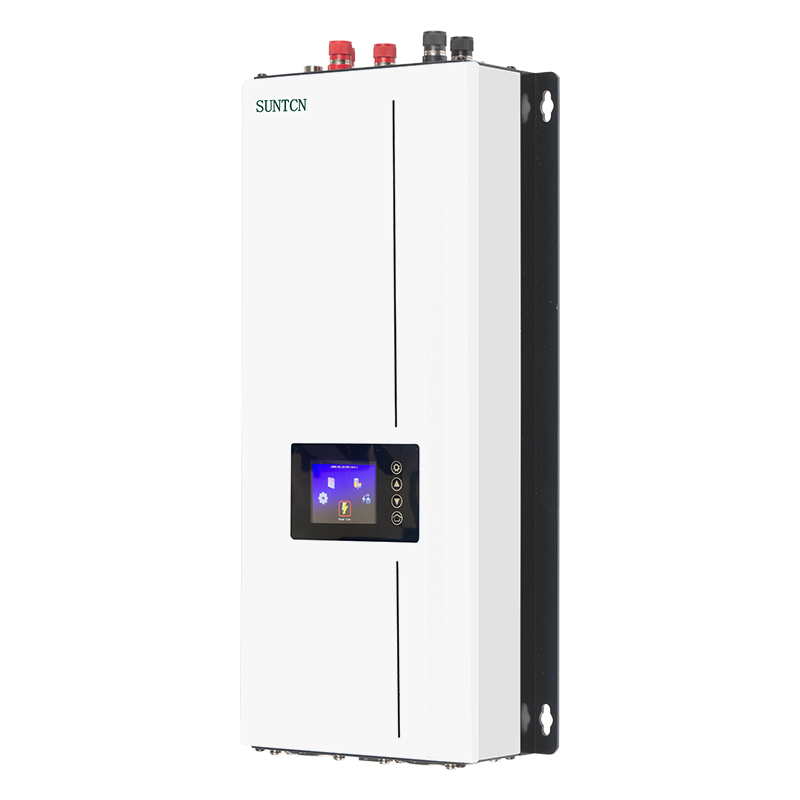
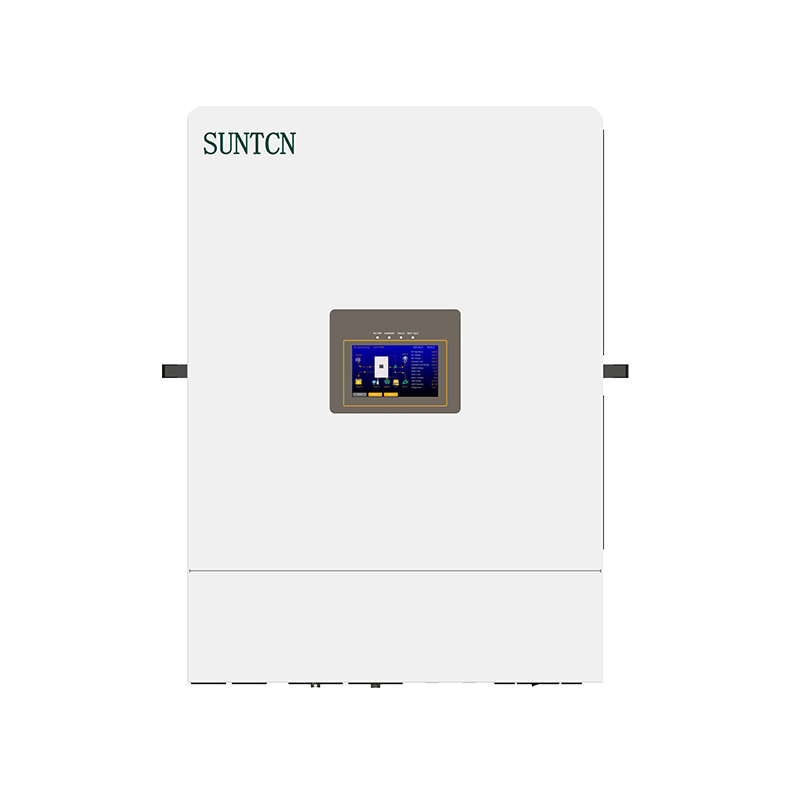
The SUNT-12.0kW-HT is a high-power hybrid inverter designed to operate at the intersection of solar generation, battery storage, and grid connectivity. Unlike a standard string inverter that simply converts DC solar power to AC for immediate consumption or grid export, a hybrid inverter manages multiple energy sources simultaneously — coordinating input from photovoltaic panels, a battery bank, and the utility grid to optimize energy flow based on real-time generation, consumption, and tariff conditions. At 12.0 kilowatts of continuous output power, the SUNT-12.0kW-HT sits firmly in the high-capacity segment of the residential and light commercial inverter market, capable of serving homes with high base loads or small businesses with significant daytime energy demands.
The "HT" designation in the model name refers to the unit's high-temperature tolerance and thermal management design, which enables reliable operation in climates where ambient temperatures frequently exceed 40°C — a common limitation point for standard inverters that begin de-rating output above 25°C. This thermal robustness, combined with the 12 kW output rating, makes the SUNT-12.0kW-HT a technically differentiated product rather than a scaled-up version of an entry-level design.
To fully evaluate this inverter, it is necessary to examine both the specific operating scenarios where its capabilities deliver measurable value and the product-level technical advantages that distinguish it from competing hybrid inverters in the same power class.
Primary Operating Scenarios Where the SUNT-12.0kW-HT Delivers Value
Large Residential Properties With High Simultaneous Loads
Standard residential hybrid inverters in the 3–6 kW range are adequate for modest homes, but larger properties with multiple air conditioning units, electric vehicle chargers, heat pumps, and high-draw kitchen appliances quickly exceed this capacity. A home running two 3-ton central air conditioning units simultaneously draws approximately 7–8 kW from those units alone. When combined with an EV charger at 7.4 kW and background household loads, total simultaneous demand can easily reach 12–16 kW during peak hours. The SUNT-12.0kW-HT's 12 kW continuous AC output provides sufficient headroom to supply these loads from solar and battery without shedding circuits or reverting to full grid dependency, which is the operating limitation of lower-rated hybrid inverters in the same household context.

Small and Medium Commercial Facilities
Light commercial applications — small retail units, workshops, agricultural processing facilities, clinics, and offices — often have energy profiles that make high-power hybrid inverters economically compelling. These facilities typically have high daytime loads that align well with solar generation windows, significant utility bills driven by demand charges, and critical loads that must remain online during grid outages. A single SUNT-12.0kW-HT unit can serve a small commercial facility outright, while multiple units can be deployed in parallel for larger installations. In agricultural settings, the inverter can power irrigation pump motors, grain processing equipment, and cold storage during daylight hours from solar alone, with the battery covering early morning and evening demand.
Off-Grid and Weak-Grid Remote Installations
In locations where the utility grid is either unavailable or unreliable — remote rural areas, island communities, developing-region installations, and sites with frequent outages lasting hours or days — the SUNT-12.0kW-HT functions as a standalone power plant. Its ability to operate in pure off-grid mode means it can manage a solar array, charge a battery bank, and deliver stable AC power to connected loads without any grid connection whatsoever. The inverter's built-in battery management system handles charge cycles, depth of discharge limits, and cell balancing to extend battery life in this always-on operating mode. For weak-grid scenarios — where grid voltage and frequency fluctuate outside acceptable limits — the inverter can automatically switch to island mode, isolating the local microgrid from the unstable utility supply while maintaining continuity of power to critical loads.
Time-of-Use Arbitrage and Peak Demand Shaving
For grid-connected installations under time-of-use (TOU) tariff structures, the SUNT-12.0kW-HT's programmable charge and discharge scheduling enables systematic energy cost reduction. The inverter can be configured to charge batteries from solar during peak generation hours and discharge stored energy during peak tariff periods — typically late afternoon and evening — when grid electricity costs are . For commercial customers subject to demand charges based on their 15-minute or 30-minute consumption interval, the inverter can actively cap grid draw by supplementing from the battery whenever consumption approaches the target demand threshold. Over a billing year, effective demand shaving at the 12 kW level can reduce commercial electricity bills by 15–30% in markets with aggressive demand charge structures.
Backup Power for Critical Infrastructure
Facilities where grid outages carry significant operational or safety consequences — medical clinics, cold chain storage, water treatment stations, telecommunications equipment rooms, and data processing sites — require backup power that can activate instantly and sustain critical loads for extended periods. The SUNT-12.0kW-HT provides seamless transfer to battery backup in less than 20 milliseconds when grid failure is detected, which is fast enough to prevent interruption of sensitive electronics including computers, UPS systems, and process control equipment. At 12 kW of backup output capacity, the inverter can sustain a substantial critical load set — lighting, HVAC for server cooling, communications equipment, and refrigeration — for hours depending on battery bank capacity, without requiring a separate diesel generator for anything below the 12 kW ceiling.
Core Technical Specifications That Define Performance
The operating scenarios above are only achievable because of the underlying hardware design. The table below summarizes the key specifications of the SUNT-12.0kW-HT and contextualizes what each parameter means in practice.
| Parameter | Specification | Practical Implication |
|---|---|---|
| Rated AC Output Power | 12.0 kW | Supports multiple high-draw appliances simultaneously |
| Max PV Input Power | Up to 18.0 kWp | Allows array oversizing for better low-light generation |
| MPPT Trackers | Dual independent MPPT | Optimizes yield from arrays on different orientations or with partial shading |
| Battery Voltage Range | 48V–500V DC | Compatible with a wide range of lithium battery chemistries |
| Max Battery Charge/Discharge Current | 100A | Enables rapid battery charging from surplus solar generation |
| Peak Efficiency | 97.6% | Minimizes conversion losses across the full operating range |
| Operating Temperature Range | -25°C to +60°C | Full rated output maintained in hot climates without de-rating |
| Grid Transfer Switch Speed | <20ms | Seamless backup activation — no perceptible interruption to loads |
| Communication Interfaces | RS485, CAN, Wi-Fi, Ethernet | Supports BMS integration, remote monitoring, and smart home platforms |
Product Advantages That Set the SUNT-12.0kW-HT Apart
High-Temperature Operation Without Output De-Rating
Most hybrid inverters in the market specify full rated output only up to 25°C ambient temperature, after which they begin linearly reducing output — a process called de-rating — to protect internal components from thermal stress. In climates where inverters are installed in non-air-conditioned spaces and ambient temperatures routinely reach 40–50°C, this means a nominally rated 12 kW unit may actually deliver only 8–9 kW during the hottest part of the day — precisely when solar generation and cooling loads are both at their peak. The SUNT-12.0kW-HT's thermal management system, which includes an advanced heat sink design and intelligent variable-speed fan control, maintains full 12 kW output continuously up to 60°C ambient, eliminating this performance gap entirely.
Dual MPPT Architecture for Complex Array Configurations
A single MPPT tracker constrains all connected panels to operate at the same power point voltage, which is a significant performance limitation when panels face different orientations, have different shading patterns, or are installed at different tilt angles. The SUNT-12.0kW-HT's dual independent MPPT architecture allows the solar array to be split into two separate strings, each operating at its own voltage independently of the other. In practice, this means a system with panels on a south-facing roof and an east-facing roof can extract power from each surface independently, rather than having the lower-performing surface pull down the output of the better-oriented panels. Studies of dual-MPPT versus single-MPPT systems in non-ideal installations show annual energy yield improvements of 5–15% depending on the degree of mismatch between the two strings.
Wide Battery Compatibility and Integrated BMS Communication
The SUNT-12.0kW-HT supports a battery voltage range of 48V to 500V DC, which makes it compatible with the full spectrum of contemporary lithium battery systems — from standard 48V LiFePO4 residential batteries to high-voltage lithium NMC packs used in large energy storage installations. More importantly, the inverter communicates with battery management systems (BMS) via CAN bus and RS485, enabling real-time data exchange on cell temperatures, state of charge, state of health, and charge/discharge current limits. This closed-loop BMS integration means the inverter always charges and discharges within the battery manufacturer's specified safe operating envelope, which is critical for battery longevity and warranty compliance in long-term storage applications.
Three Operating Modes Covering Every Grid Condition
Flexibility in operating mode is a practical differentiator for installers serving diverse customer situations. The SUNT-12.0kW-HT supports three distinct operating modes that can be selected and switched without hardware changes:
- Grid-tied with battery backup: The primary mode for urban and suburban installations. The inverter optimizes self-consumption, exports surplus energy to the grid where permitted, and automatically transfers to battery backup during outages.
- Off-grid standalone: For sites without grid connection. The inverter operates as the sole power source, managing solar input, battery charging, and load supply autonomously based on configured priority rules.
- Hybrid generator support: The inverter can work in conjunction with a diesel or gas generator, accepting AC input from the generator to charge the battery and supplement solar generation during extended low-irradiance periods, while acting as the primary power conditioner for connected loads.
Comprehensive Monitoring and Remote Management
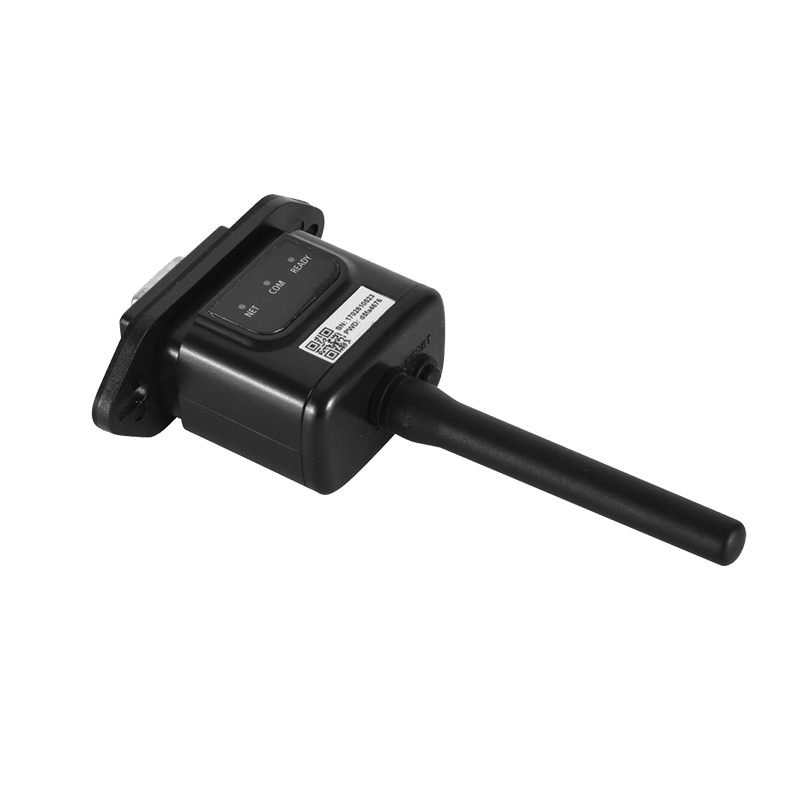
The SUNT-12.0kW-HT includes Wi-Fi and Ethernet connectivity as standard, supporting both local network monitoring and cloud-based remote access through a dedicated monitoring platform. The monitoring interface provides real-time visualization of power flows — solar generation, battery state of charge, grid import/export, and load consumption — alongside historical data logs for energy auditing, fault diagnosis, and performance verification. For installers managing multiple deployed systems, the cloud platform supports multi-site monitoring with alarm notifications, remote firmware updates, and parameter adjustments without requiring a site visit. This remote management capability significantly reduces post-installation service costs and enables rapid response to performance anomalies before they escalate into system failures.
Safety Features and Certifications
For an inverter operating at 12 kW with high-voltage DC inputs from both the solar array and the battery, safety design is non-negotiable. The SUNT-12.0kW-HT incorporates multiple layers of protection that address both equipment safety and personnel safety:
- Anti-islanding protection compliant with IEEE 1547 and VDE 4105, which automatically disconnects the inverter from the grid during utility outages to prevent backfeed that could endanger utility workers.
- DC arc fault detection on the PV input, which identifies the electrical signature of arcing faults in the DC wiring and shuts down the inverter to prevent fire — a failure mode that has been responsible for numerous solar system fires in poorly maintained installations.
- Insulation resistance monitoring that continuously measures the isolation between the DC circuits and ground, detecting ground faults before they can escalate into shock hazards or equipment damage.
- Over-voltage, over-current, and over-temperature protection on all input and output circuits, with automatic shutdown and fault logging for post-event diagnosis.
- IP65-rated enclosure providing full protection against dust ingress and water jets, enabling outdoor installation without a dedicated weatherproof housing in all but the precipitation environments.
The unit carries CE, IEC 62109, and IEC 62040 certifications, along with grid compliance certifications for major markets in Europe, Australia, and Southeast Asia, enabling straightforward regulatory approval for installations in these regions.
Evaluating the SUNT-12.0kW-HT Against Installation Requirements
Selecting the right hybrid inverter requires matching the product's capabilities to the specific requirements of the installation site. The SUNT-12.0kW-HT is a strong technical fit for installations that meet several of the following criteria:
- Peak simultaneous load demand regularly exceeds 6–8 kW, making lower-rated hybrid inverters insufficient without load management or circuit shedding.
- The solar array is split across multiple roof orientations or faces partial shading, making dual-MPPT operation a yield improvement rather than a marginal feature.
- Ambient temperatures at the installation site regularly exceed 35°C, making high-temperature de-rating a practical performance concern.
- The site experiences frequent or prolonged grid outages, requiring a backup system capable of sustaining high-power critical loads rather than just lighting and phone charging.
- The operator is subject to time-of-use tariffs or demand charges that create a compelling financial case for active energy management at the 12 kW scale.
For installations where all of these conditions apply simultaneously — a hot-climate commercial facility with a complex roof, high loads, unreliable grid, and aggressive tariff structure — the SUNT-12.0kW-HT is not just a capable choice but a functionally necessary one. Its combination of thermal resilience, power capacity, dual-MPPT optimization, flexible operating modes, and deep battery integration places it in a class of hybrid inverters suited to demanding real-world deployment conditions rather than idealized laboratory benchmarks.