 English
 Español
 Deutsch
Content
- 1 What the 1000W WDL Wind Turbine Inverter Is Designed to Do
- 2 Core Technical Specifications Explained
- 3 The Role of the Dump Load in Wind Inverter Systems
- 4 Grid-Tie vs. Off-Grid Operating Modes
- 5 Step-by-Step Installation Overview
- 6 Compatibility With Wind Turbine Generators
- 7 Maintenance, Monitoring, and Troubleshooting Tips
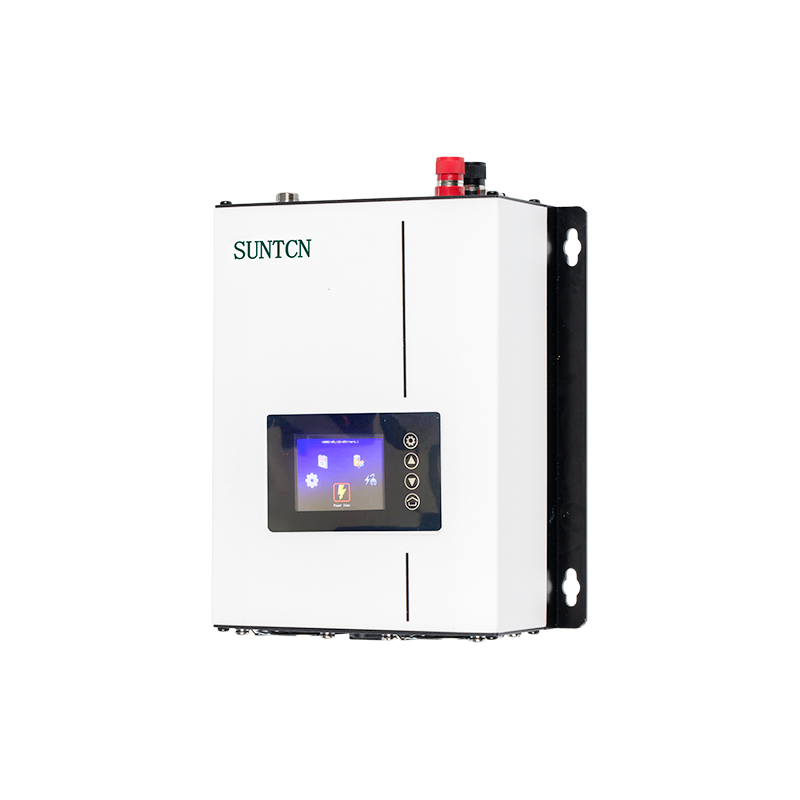
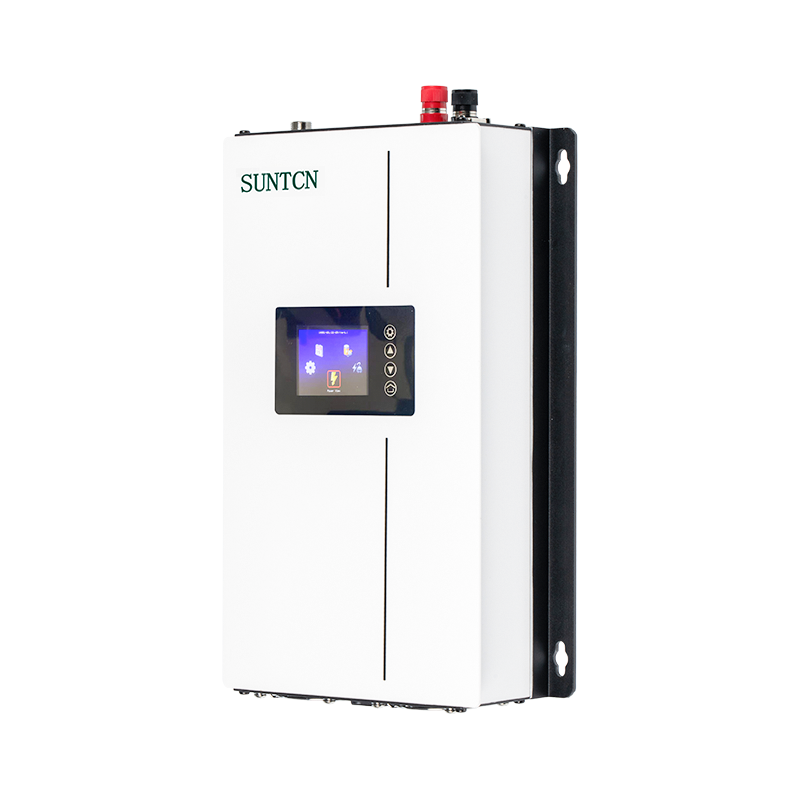
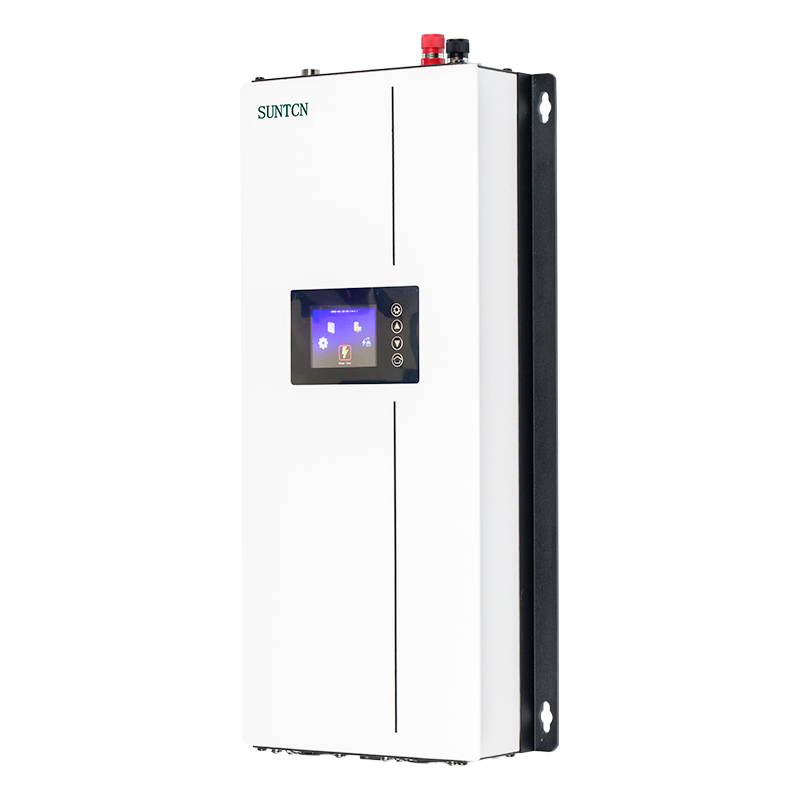
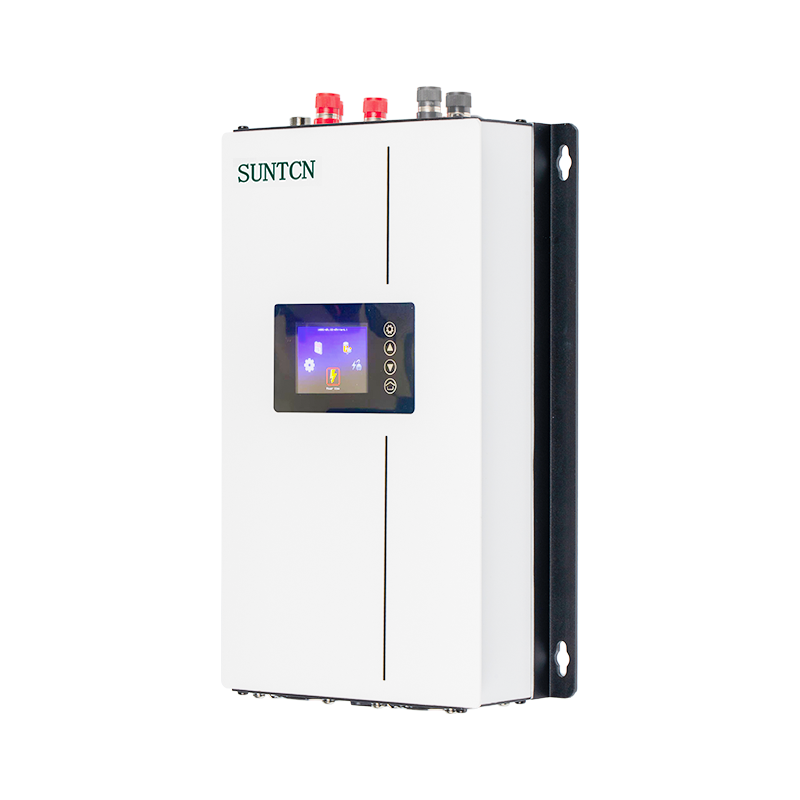
As off-grid energy systems grow in popularity across rural properties, remote cabins, marine vessels, and small farms, the wind turbine inverter has become one of the important components in any wind-based power setup. The 1000W WDL Wind Turbine Inverter stands out in its class as a purpose-built grid-tie and off-grid controller designed specifically for small wind turbine generators. Understanding exactly what this inverter does, how it is configured, and what it demands from your system will help you make a confident purchasing and installation decision.
What the 1000W WDL Wind Turbine Inverter Is Designed to Do
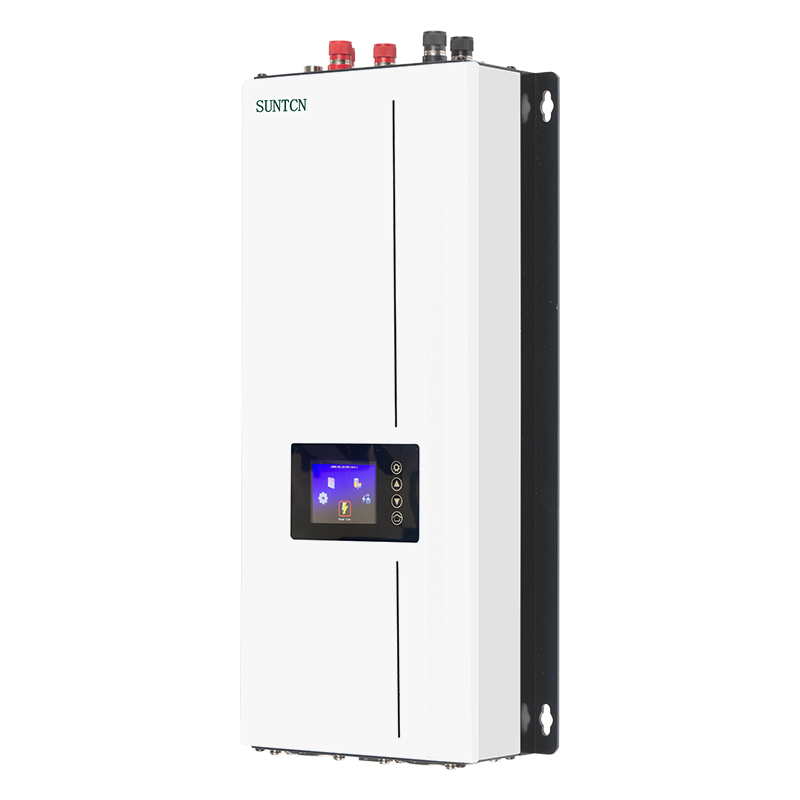
The WDL series inverter is a wind-dedicated power conversion unit, not a generic solar or multi-source inverter adapted for wind use. This distinction matters enormously in practice. Wind turbines generate variable-frequency, variable-voltage AC power as the rotor speed fluctuates with wind speed. The 1000W WDL inverter rectifies this raw AC output into DC, then conditions and converts it into stable grid-frequency AC at either 110V or 220V depending on regional configuration, or charges a battery bank in off-grid installations.
The inverter also integrates a Power Point Tracking (MPPT) algorithm specifically tuned for wind turbine power curves, which differ fundamentally from solar PV curves. Unlike solar panels that respond to irradiance, wind turbines follow a cubic power relationship with wind speed, meaning the MPPT logic must continuously adapt to rapidly changing input conditions rather than tracking a relatively stable daily curve. This wind-specific optimization is what separates a WDL inverter from a repurposed solar inverter in terms of real-world energy harvest efficiency.
Core Technical Specifications Explained
Before purchasing or installing the 1000W WDL, it is essential to understand what each specification means for your application. The table below summarizes the key parameters and their practical implications:
| Specification | Value | Practical Meaning |
| Rated Power | 1000W | Continuous output capacity under rated wind conditions |
| Input Voltage Range | 0–300V AC (3-phase) | Accepts the wide voltage swings typical of small wind turbines |
| Output Voltage | 110V or 220V AC | Selectable to match local grid or appliance requirements |
| Output Frequency | 50Hz / 60Hz | Matches regional utility frequency for grid-tie or appliance use |
| Start-up Wind Speed | 2–3 m/s | Low cut-in threshold allows energy capture in light winds |
| MPPT Efficiency | ≥97% | High tracking efficiency minimizes energy losses during conversion |
| Dump Load Control | Built-in | Diverts excess power to resistive load to protect turbine and batteries |
| Protection Rating | IP20 (indoor) / IP65 (outdoor models) | Determines suitable installation environments |
| Operating Temperature | −20°C to +50°C | Suitable for year-round operation in climates |
The Role of the Dump Load in Wind Inverter Systems
One of the critical and frequently misunderstood features of the 1000W WDL inverter is its integrated dump load controller. Unlike solar panels, which simply stop producing power when disconnected, a wind turbine spinning in strong wind cannot simply be switched off. If the electrical load is suddenly removed — for instance, when a battery bank reaches full charge — the turbine rotor accelerates without resistance, risking mechanical damage to the blades, bearings, and generator windings.
The WDL inverter prevents this by automatically diverting excess generated power to a dump load — typically a resistive heating element — whenever the system voltage exceeds a safe threshold. This maintains a continuous electrical braking effect on the generator, keeping rotor speed within safe limits regardless of wind conditions. When sizing the dump load, it must be rated at least equal to the turbine's rated power (1000W in this case), and ideally 20–30% above to handle brief overproduction during wind gusts.
Grid-Tie vs. Off-Grid Operating Modes
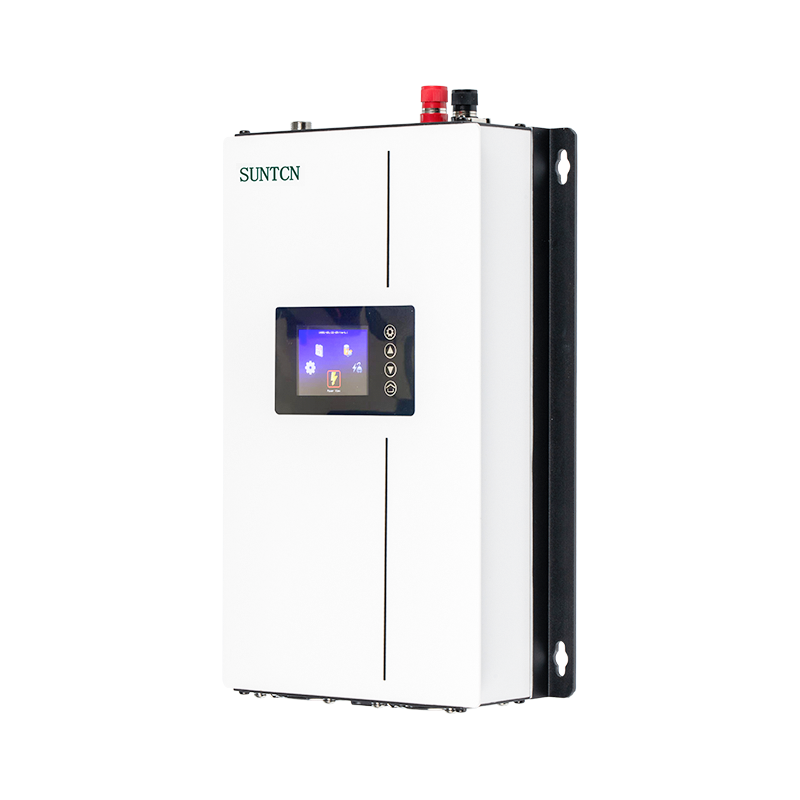
The 1000W WDL inverter supports two distinct operating configurations, and choosing between them depends on your site conditions, local regulations, and energy goals.
Grid-Tie Mode
In grid-tie mode, the inverter synchronizes its output to the utility grid frequency and voltage, feeding surplus wind energy directly into the grid. This eliminates the need for battery storage and allows net metering in regions where utility companies compensate for exported power. The WDL inverter includes anti-islanding protection, which automatically disconnects from the grid during a utility outage — a mandatory safety requirement in countries to protect utility workers from back-fed power. Grid-tie installations require approval from the local utility provider and must comply with connection standards such as IEEE 1547 in North America or VDE 0126 in Europe.
Off-Grid Battery Charging Mode
In off-grid mode, the inverter charges a battery bank (12V, 24V, or 48V depending on system configuration) and provides AC output through an integrated or separate inverter stage. This mode suits remote locations without grid access. The WDL's three-stage charging profile — bulk, absorption, and float — ensures battery longevity whether you use lead-acid, AGM, gel, or lithium iron phosphate (LiFePO4) batteries. For LiFePO4 batteries specifically, confirm that the WDL firmware version supports the higher absorption voltage (typically 3.65V per cell) required for proper lithium charging.
Step-by-Step Installation Overview
Proper installation of the 1000W WDL inverter is fundamental to both safety and performance. The following sequence covers the essential steps for a typical off-grid installation:
- Site assessment : Confirm average wind speeds at your tower height using at least 12 months of anemometer data or verified regional wind maps. The turbine must achieve rated wind speed (typically 11–13 m/s) regularly enough to justify the system cost.
- Mount the inverter indoors or in a weatherproof enclosure: Even outdoor-rated WDL models benefit from being shielded from direct rain and sun to maximize component lifespan. Maintain at least 20cm clearance on all ventilation sides.
- Connect the turbine AC output: The 1000W WDL accepts three-phase AC input from the turbine generator. Use appropriately rated cable (minimum 2.5mm² for runs under 30m; increase to 4mm² or 6mm² for longer cable runs to minimize resistive losses).
- Connect the dump load: Wire the resistive dump load to the dedicated dump load terminals on the WDL before energizing the system. Never operate the inverter without a connected dump load — doing so risks uncontrolled turbine overspeed.
- Connect the battery bank (off-grid only): Use correctly fused DC cable sized for the battery bank voltage and charge current. Install a DC disconnect switch between the battery and inverter for safe maintenance access.
- Configure system parameters: Set battery type, voltage, and capacity via the inverter's LCD interface or PC software if available. Incorrect battery voltage settings are the cause of premature battery failure in wind charging systems.
- Ground the system thoroughly: Connect the inverter chassis, turbine tower, and battery negative (in negative-grounded systems) to a proper earth ground rod. Grounding protects against lightning-induced surges, which are a significant risk for elevated wind turbine installations.
Compatibility With Wind Turbine Generators
The 1000W WDL inverter is compatible with small permanent magnet generator (PMG) wind turbines producing three-phase AC output in the 300–1500W rated power range. It is specifically well-matched with turbines using low-voltage, high-frequency alternators common in the 1kW residential and small commercial market, including brands from Chinese manufacturers such as Sunforce, Missouri Wind, and various OEM turbine suppliers.
Before connecting any turbine, verify the following compatibility points:
- The turbine output at rated wind speed does not exceed the inverter's input power rating by more than 20%
- Open-circuit voltage at wind speed stays within the inverter's stated input voltage ceiling (typically 300V AC line-to-line)
- The turbine uses a three-phase output configuration, not single-phase, as WDL models are designed for three-phase rectification
Maintenance, Monitoring, and Troubleshooting Tips
The 1000W WDL inverter is designed for minimal maintenance, but a few routine checks will keep the system operating at peak efficiency over its intended 10–15 year service life.
- Check dump load resistance quarterly: Resistive dump loads can degrade over time due to thermal cycling. Measure resistance with a multimeter and replace if the value has drifted more than 10% from the rated specification.
- Inspect wiring connections annually: Vibration from wind turbine operation can loosen terminal connections over time. Torque all terminals to manufacturer specifications and look for signs of heat discoloration that indicate high-resistance joints.
- Monitor LED fault codes: The WDL inverter uses a multi-color LED or LCD display to report fault conditions. Common fault codes include over-voltage input (turbine producing too much voltage in high winds), over-temperature (inadequate ventilation), and battery over-charge (dump load failure).
- Clean ventilation slots every 6 months: Dust accumulation on heat sink fins reduces thermal dissipation, to derating or thermal shutdown during high-output conditions.
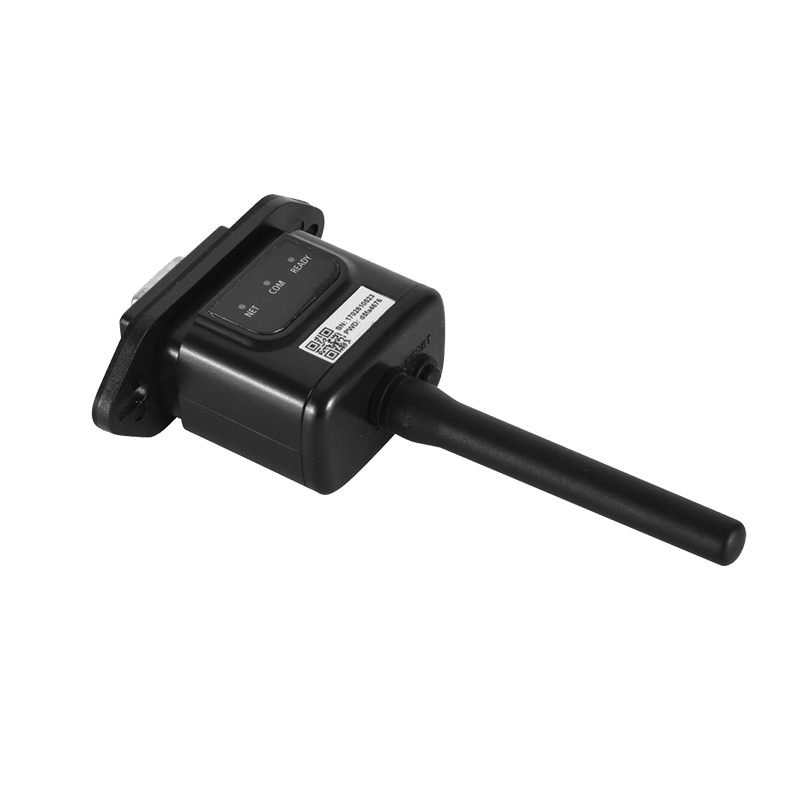
- Log output data regularly: If the inverter includes RS-485 or Wi-Fi monitoring, track daily and monthly kWh output against wind speed records. A sustained drop in output efficiency without a corresponding drop in wind speed often indicates a turbine mechanical issue rather than an inverter fault.
The 1000W WDL Wind Turbine Inverter offers a well-engineered, wind-specific solution for small-scale energy generation in both grid-tie and off-grid applications. Its integrated dump load control, wind-optimized MPPT, and wide input voltage tolerance address the unique challenges of wind power in a compact, field-proven package. With careful site selection, correct installation, and consistent maintenance, it provides reliable and efficient conversion of wind energy into usable electrical power for years of dependable service.