 English
 Español
 Deutsch
Content
What Is a Solar Grid Tie Inverter and How Does It Work?
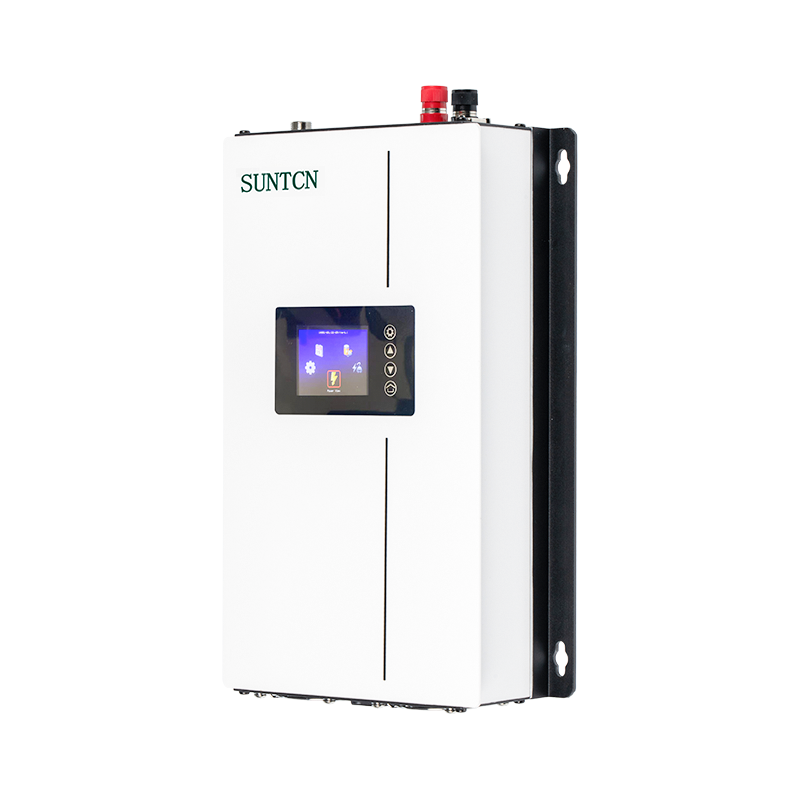
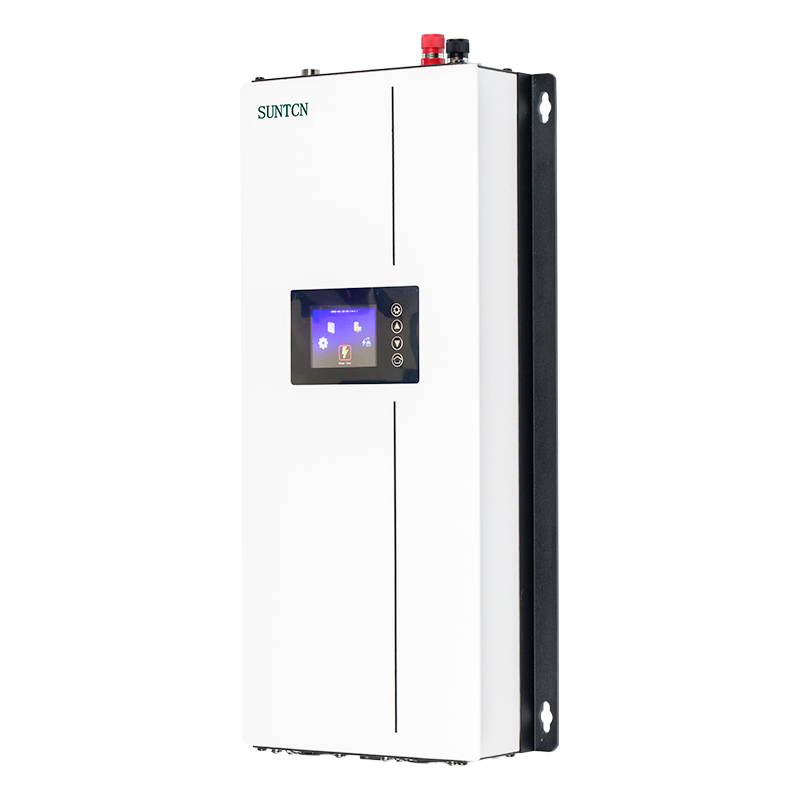
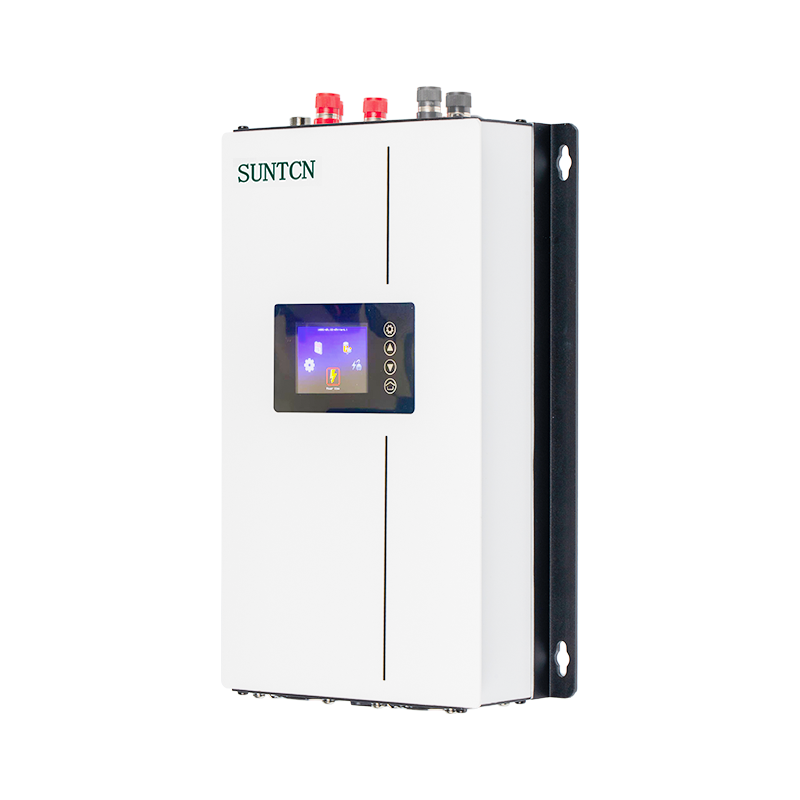
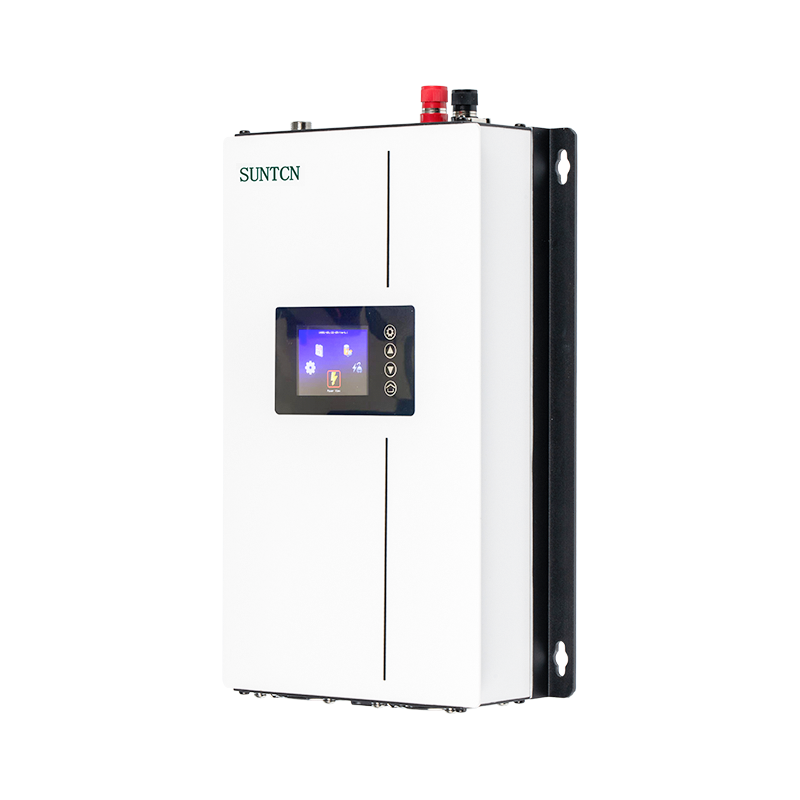
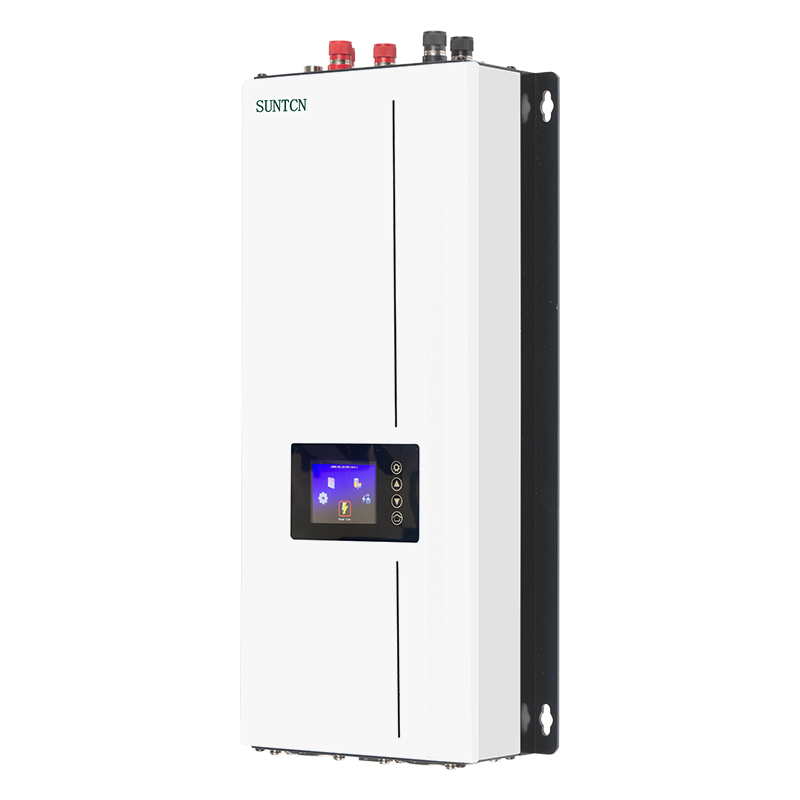
A solar grid tie inverter, also known as a grid-connected or on-grid inverter, is a device that converts the direct current (DC) electricity generated by your solar panels into alternating current (AC) electricity that matches the voltage and frequency of your local utility grid. Unlike off-grid inverters, which power an isolated system, a grid tie inverter operates in synchronization with the utility grid at all times. This synchronization allows excess solar power to flow back into the grid and, in many regions, earn the homeowner credits through a process called net metering.
The basic operation involves a sequence of steps: solar panels absorb sunlight and produce DC electricity, the inverter receives this DC input and uses high-frequency switching transistors to convert it into AC electricity, and then an internal transformer or transformerless circuit conditions that AC output to match grid standards — typically 120V/240V at 60Hz in North America or 230V at 50Hz in Europe. The inverter continuously monitors grid voltage and frequency, adjusting its output to stay locked in phase with the utility supply.
One important safety feature built into every compliant grid tie inverter is anti-islanding protection. If the utility grid goes down for any reason — whether due to a storm or scheduled maintenance — the inverter automatically shuts off within milliseconds. This prevents solar electricity from back-feeding into power lines where utility workers might be making repairs, protecting both equipment and human lives.
Types of Solar Grid Tie Inverters
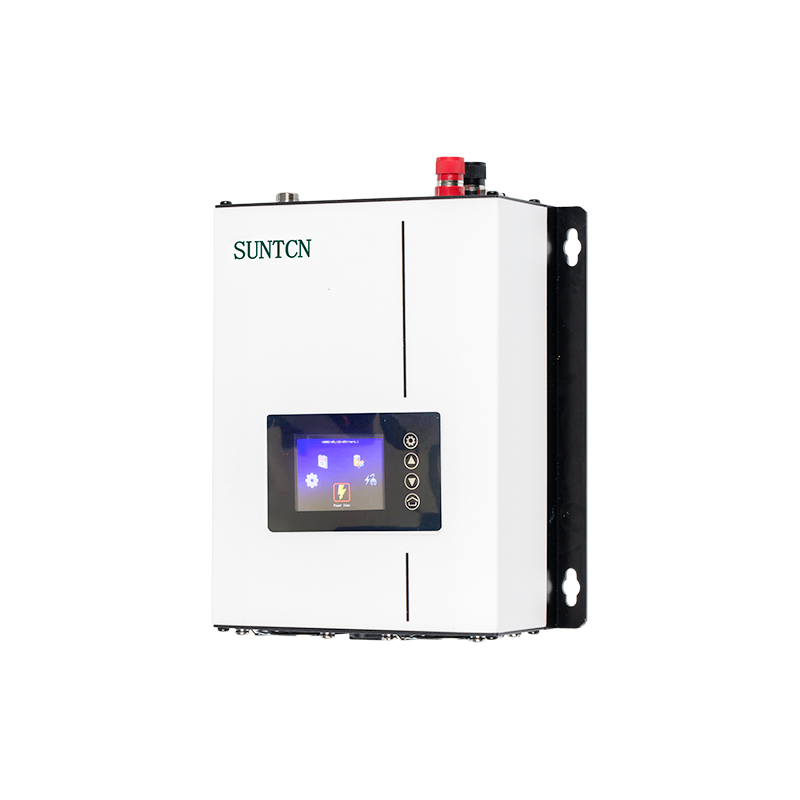
Not all grid tie inverters are built the same. There are three primary categories, each suited to different installation sizes, roof configurations, and performance expectations.
String Inverters
String inverters are the common and cost-effective option for residential systems. Multiple solar panels are wired together in a series "string," and the combined DC output feeds into a single inverter unit. The main limitation of this design is that the performance of the entire string is constrained by its weakest panel. If one panel is shaded by a tree or chimney, the output of every panel in that string drops accordingly. String inverters work on roofs with uniform orientation and minimal shading.
Microinverters
Microinverters are compact units installed directly beneath each individual solar panel, converting DC to AC at the panel level. This panel-level conversion eliminates the shading problem entirely — a shadow on one panel does not affect others. Microinverters also provide module-level monitoring, allowing homeowners and installers to track the performance of every single panel in real time. The trade-off is a higher upfront cost per watt compared to string inverters.
Power Optimizers with a Central Inverter
This hybrid approach attaches a DC power optimizer to each panel, which conditions and maximizes the output of individual panels before sending the electricity to a central string inverter. Like microinverters, optimizers mitigate shading losses and provide panel-level monitoring. They are often positioned as a middle ground — better performance than a plain string inverter at a lower cost than a full microinverter system.
Key Specifications to Evaluate Before You Buy
Shopping for a grid tie inverter requires understanding several technical specifications. The table below outlines the critical ones and what to look for:
| Specification | What It Means | What to Look For |
| Efficiency Rating | Percentage of DC power converted to usable AC | 97% or higher (CEC weighted) |
| Input Voltage Range (MPPT) | The DC voltage window where the inverter operates optimally | Must match your panel string voltage |
| Power Output (kW) | AC power the inverter can deliver continuously | Size within 10–20% of total panel capacity |
| Number of MPPT Inputs | Independent tracking channels for different roof orientations | 2+ if panels face multiple directions |
| Warranty | Manufacturer's coverage period | Minimum 10 years; 12–25 years preferred |
| Monitoring Capability | Ability to track energy production remotely | Wi-Fi or Ethernet with app support |
The power point tracking (MPPT) algorithm is particularly important. Solar panels produce varying amounts of power depending on temperature and irradiance, and MPPT continuously adjusts the electrical load to extract the power possible at any given moment. High-quality inverters from brands like SMA, Fronius, Enphase, and SolarEdge use advanced MPPT algorithms that can recover small but meaningful amounts of energy throughout the day.
Financial Benefits and Net Metering Explained
The primary financial advantage of a grid tie inverter over an off-grid system is that it eliminates the need for battery storage. Batteries add thousands of dollars to a solar installation and must be replaced every 8–15 years. With a grid tie system, the utility grid itself effectively acts as a virtual battery: you export surplus power during peak sunshine hours and draw power from the grid at night or on cloudy days.
Net metering programs allow homeowners to receive credits on their electricity bill for every kilowatt-hour they send to the grid. In many U.S. states, these credits are valued at the full retail electricity rate, meaning the grid essentially buys your excess solar power at the same price you would pay to purchase it. Over a 25-year panel lifespan, this arrangement can generate substantial savings — often totaling tens of thousands of dollars depending on local electricity rates and solar irradiance.
It is worth noting that net metering policies vary significantly by state, country, and utility provider. Some utilities have moved to "net billing" models that compensate exported energy at a lower wholesale rate. Before sizing your system, research the specific compensation structure in your area to ensure your calculations accurately reflect expected payback periods.
Installation Requirements and Common Mistakes to Avoid
Installing a solar grid tie inverter is not a plug-and-play process. It requires coordination between your solar panel array, the inverter, your home's main electrical panel, and your utility company. Here are several important requirements and pitfalls to keep in mind:
- The inverter must be listed and certified for grid-interactive use in your country. In the United States, look for UL 1741 certification and IEEE 1547 compliance.
- Utility interconnection approval is required before you can legally export power to the grid. This process can take several weeks and involves submitting technical documentation about your system.
- Oversizing the inverter relative to your panel array wastes money. A general rule of thumb is to keep the DC-to-AC ratio between 1.0 and 1.25.
- Inverter placement matters for longevity. Units installed in direct sunlight or in poorly ventilated spaces run hotter and degrade faster. A shaded, well-ventilated wall is ideal.
- If you plan to add battery storage in the future, choose a hybrid inverter from the start. Retrofitting a standard grid tie inverter for battery storage is often costly and complicated.
Working with a certified solar installer who holds a NABCEP (North American Board of Certified Energy Practitioners) credential will help you navigate permitting, utility agreements, and proper sizing for your specific roof, energy usage, and local grid regulations. A well-designed grid tie system not only performs better but also retains its warranty and qualifies for federal and state incentives, including the U.S. Investment Tax Credit (ITC), which currently allows homeowners to deduct a significant percentage of the system cost from their federal taxes.
Is a Grid Tie Inverter Right for Your Situation?
A solar grid tie inverter is an fit for homeowners who have a reliable utility grid connection, good solar irradiance at their location, and a desire to minimize upfront costs while long-term savings. It is the cost-efficient entry point into solar energy for the majority of residential properties around the world.
However, if your area experiences frequent grid outages and backup power is a priority, a grid tie system will leave you without power during outages unless you pair it with a battery backup or a grid-forming hybrid inverter. In that case, a hybrid or off-grid setup may better serve your needs. Similarly, if your utility has unfavorable net metering policies that make exporting energy less financially attractive, pairing your grid tie inverter with a home battery to maximize self-consumption can significantly improve the economics of your investment.
Ultimately, the decision comes down to your energy goals, budget, and local policy environment. A thorough energy audit, combined with quotes from multiple reputable installers, will give you the clearest picture of which inverter technology delivers the return for your specific home.