 English
 Español
 Deutsch
What Is a Hybrid Inverter and How Does It Differ from Other Inverter Types?
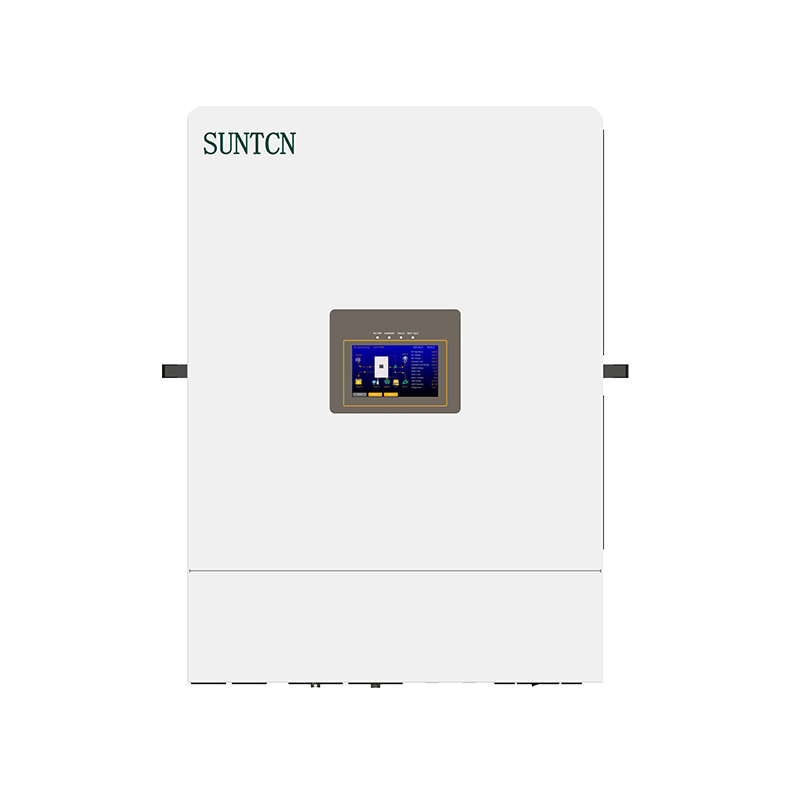
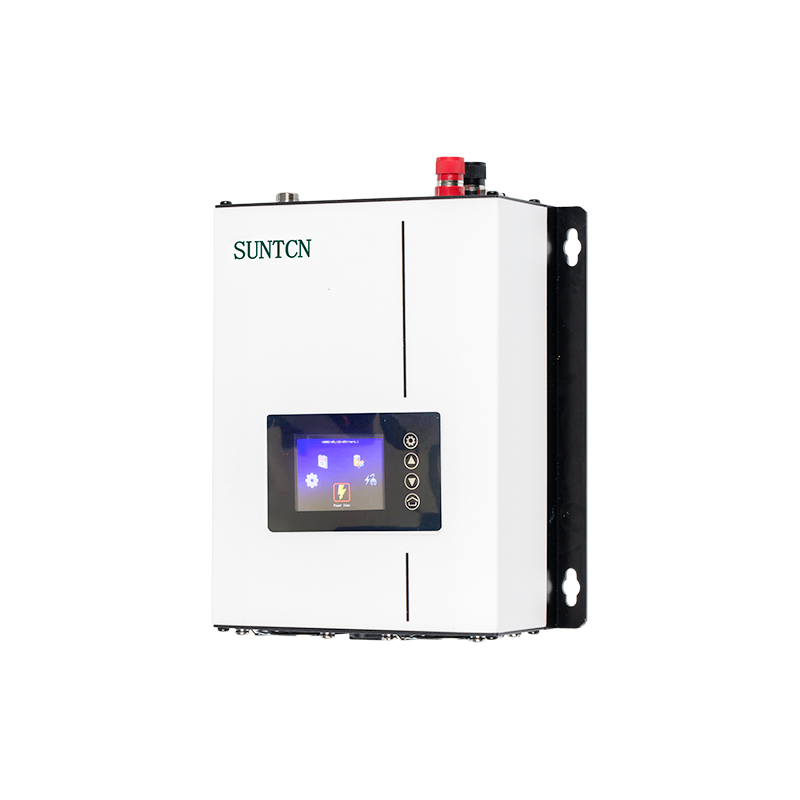
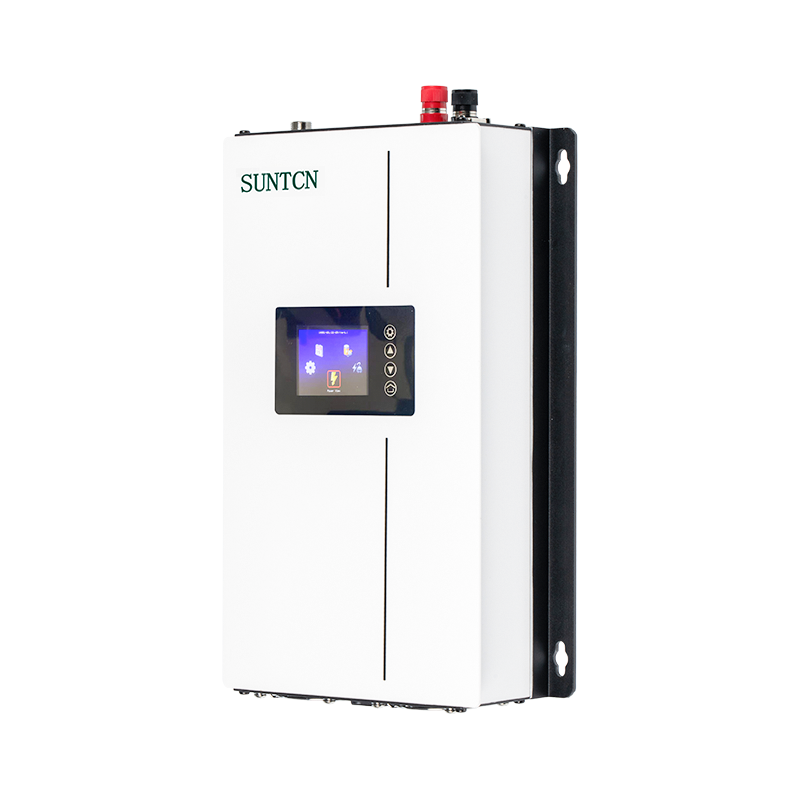
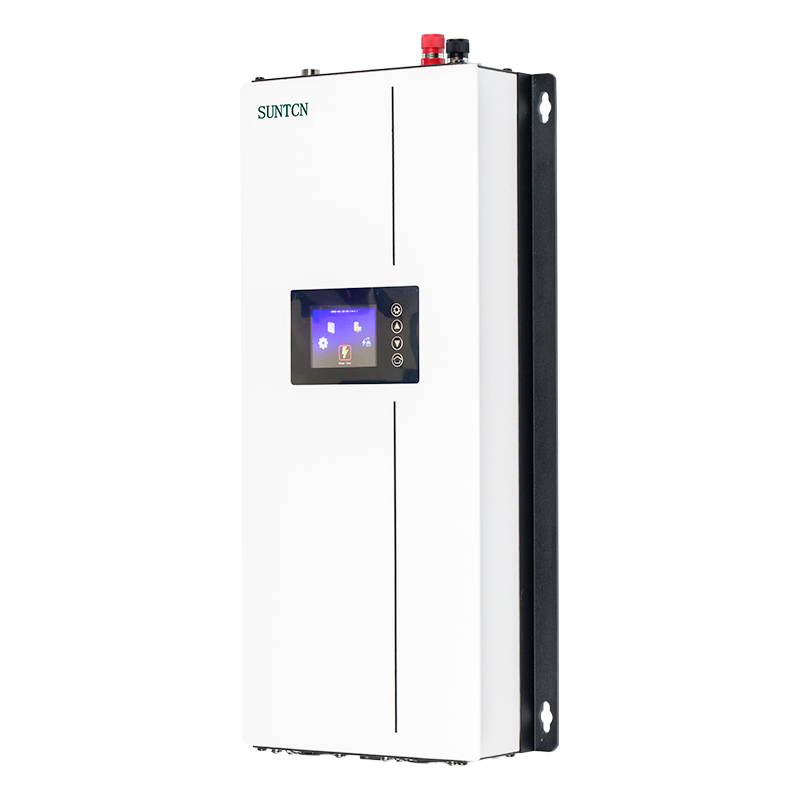
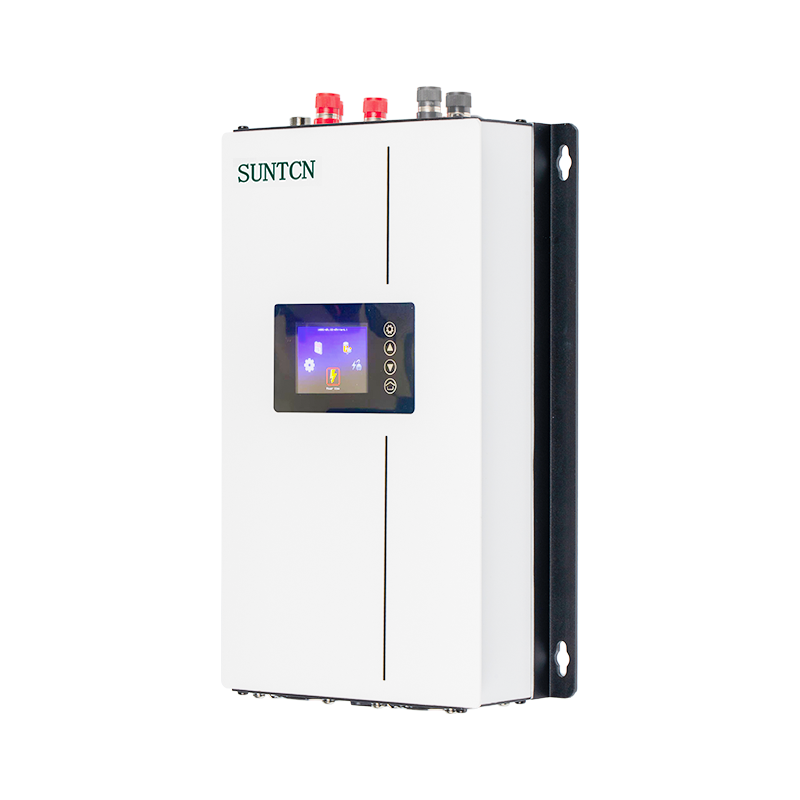
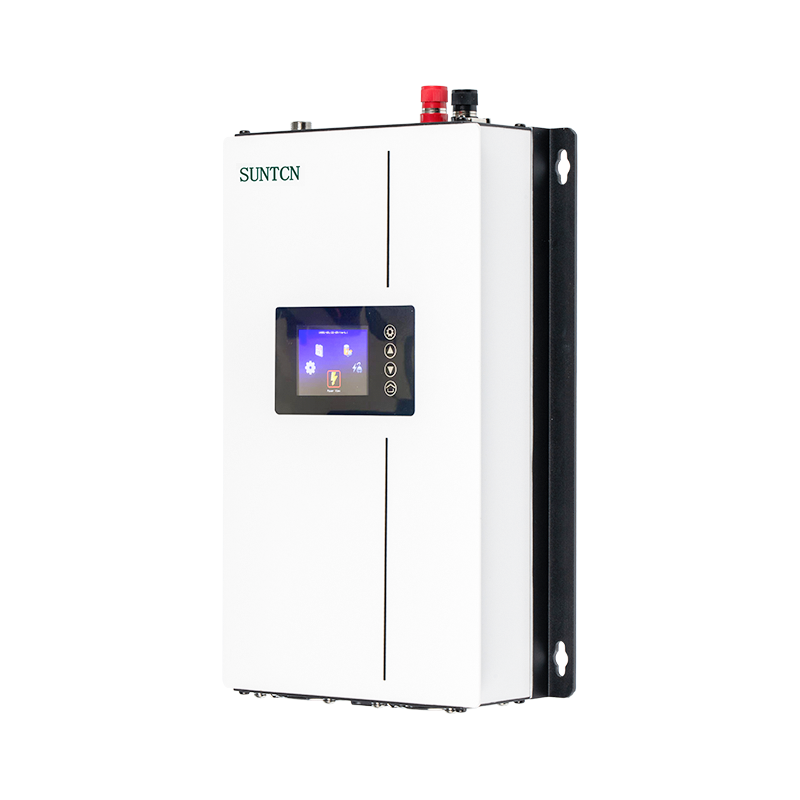
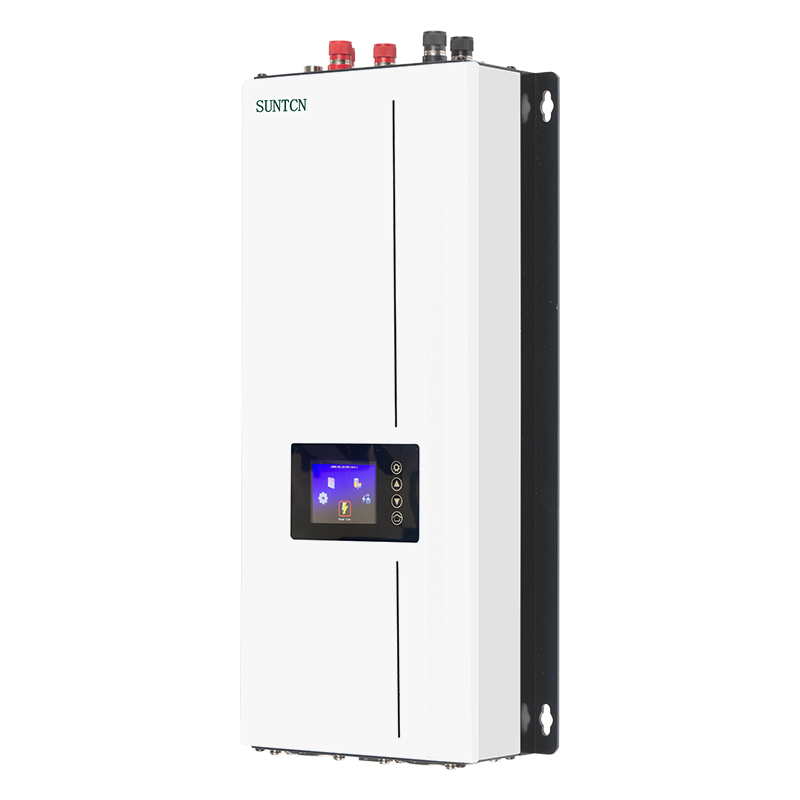
A hybrid inverter is a single device that combines the functions of a solar inverter, a battery inverter, and a grid management controller into one integrated unit. It can simultaneously manage power from a solar array, a battery storage system, and the utility grid, directing energy between all three sources according to programmed logic, real-time pricing signals, or user-defined priorities. This integration distinguishes it from a standard string inverter — which only converts DC power from solar panels to AC for immediate use or grid export — and from a standalone battery inverter, which only manages the charge and discharge of a storage system.
The practical advantage of this integration is significant. A home or commercial facility equipped with a hybrid inverter can use solar energy directly during daylight hours, store surplus energy in a battery bank for use after dark or during grid outages, draw from the grid when neither solar nor storage is sufficient, and export excess generation to the grid when conditions make that economically favorable. All of this is managed by a single device with one monitoring interface, eliminating the compatibility concerns, additional wiring complexity, and communication delays that arise when separate inverters must be coordinated.
How a Hybrid Inverter Works: Power Flow and Control Logic
Understanding the internal power flow of a hybrid inverter clarifies why it behaves differently under various operating conditions. The inverter contains at least two DC-to-AC conversion stages: one for the solar input and one for the battery interface. In modern designs, the solar panels connect to one or more power point tracking (MPPT) inputs, which continuously adjust the operating voltage of the array to extract the available power regardless of shading, temperature, or irradiance variation. The battery connects through a bidirectional DC-DC converter that can either step up battery voltage for charging or step it down during discharge, depending on the battery chemistry and voltage range.
The control system monitors the combined power available from solar and battery against the facility's instantaneous load demand and grid conditions. When solar production exceeds load demand and the battery is not fully charged, surplus power is directed to the battery. When solar production exceeds both load demand and battery capacity, the excess is exported to the grid if a grid connection is active and export is permitted. During a grid outage, a transfer switch — either internal to the inverter or external — disconnects the installation from the utility and the inverter enters island mode, continuing to serve local loads from solar and battery without feeding back onto the de-energized grid. This anti-islanding protection is a mandatory safety requirement in virtually every grid-connected market.
Operating Modes Explained
- Self-Consumption Mode: The inverter prioritizes using solar energy to power loads directly, then charges the battery with surplus, and only draws from the grid when both solar and battery are insufficient. This maximizes the use of self-generated energy and reduces electricity bills.
- Backup / UPS Mode: The battery is held at a state of charge reserve, ready to take over instantly in the event of a grid failure. Response times of under 20 milliseconds are common in quality hybrid inverters, fast enough to prevent interruption of sensitive equipment such as computers and medical devices.
- Time-of-Use (TOU) Optimization: The inverter charges the battery from the grid during off-peak low-tariff periods and discharges it during peak high-tariff periods, reducing the cost of grid electricity even on days with low solar production.
- Off-Grid Mode: Some hybrid inverters can operate completely disconnected from the grid, relying entirely on solar generation and battery storage. This mode requires careful sizing of both the solar array and battery capacity to match the facility's load profile.
- Feed-in / Export Mode: When permitted by the grid operator, surplus generation is exported to the utility. The hybrid inverter manages the export power level to comply with any feed-in limits imposed by the network connection agreement.
Hybrid Inverter vs. Other Solar System Configurations
| System Type | Battery Storage | Grid Backup | Installation Complexity | Best For |
| String Inverter (no battery) | No | No | Low | Grid-tied export only |
| String Inverter + AC-Coupled Battery | Yes | Limited | High | Retrofitting existing solar |
| Hybrid Inverter | Yes (DC-coupled) | Yes | Medium | New installations with storage |
| Off-Grid Inverter / Charger | Yes | No grid connection | Medium | Remote / off-grid sites |
| Microinverter System | With add-on only | No | Low per panel | Shaded or complex rooftops |
DC-coupling — the architecture used in hybrid inverters — is more efficient than AC-coupling when charging batteries from solar because the energy undergoes fewer conversion steps. In a DC-coupled hybrid system, solar energy flows from the panels through the MPPT controller to the battery without ever being converted to AC and back. In an AC-coupled retrofit system, solar energy is inverted to AC by the existing string inverter, then converted back to DC by the battery inverter for storage, introducing conversion losses at each step. The efficiency difference is typically 3 to 8 percentage points, which compounds meaningfully over thousands of charging cycles across the system's lifespan.
Key Specifications to Evaluate When Choosing a Hybrid Inverter
Selecting a hybrid inverter requires matching the unit's specifications to the specific demands of the installation — the size of the solar array, the battery chemistry and capacity, the load profile of the building, and the grid connection requirements of the local utility. Several parameters deserve particular attention.
MPPT Input Range and Number of Trackers
The MPPT input voltage range determines what panel configurations can be connected. residential hybrid inverters specify a input voltage of 500 V to 600 V DC and a MPPT operating range of roughly 120 V to 450 V. String sizing — the number of panels connected in series per string — must keep the open-circuit voltage below the and the operating voltage within the MPPT range across all temperature conditions. Multiple independent MPPT inputs allow strings on different roof orientations or tilt angles to be optimized independently, which is important for installations where shading or orientation variation would otherwise cause one string to drag down the performance of another.
Battery Compatibility and Voltage Range
Hybrid inverters are designed around specific battery voltage ranges — commonly 48 V for residential systems and 100 V to 500 V for high-voltage battery systems such as those using lithium iron phosphate (LFP) or NMC chemistries with built-in battery management systems (BMS). High-voltage battery architectures reduce the DC current for a given power level, which allows thinner cabling and lower resistive losses between the battery and inverter. Always verify that the hybrid inverter's battery port voltage range, charge and discharge current, and communication protocol — typically CAN bus or RS-485 — are compatible with the specific battery product being installed, as mismatches in BMS communication can prevent automatic state-of-charge management and safety shutdowns from functioning correctly.
Backup Output Rating and Critical Load Capacity
Not all hybrid inverters can supply the full rated AC output power during a grid outage. Some models reduce their backup output capacity to protect the battery from excessive discharge rates or because the inverter's island-mode switching architecture limits the apparent power available to backup circuits. Verify the continuous backup output power, the peak surge capability — important for starting motor loads such as air conditioners and well pumps — and whether the backup output covers the whole house or only a dedicated critical load panel. For installations where full-home backup is required, the inverter's backup output rating must exceed the simultaneous load of all circuits that will remain energized during an outage.
Common Applications and Who Benefits from a Hybrid Inverter
Hybrid inverters deliver the greatest value in situations where the cost of grid electricity is high, grid reliability is poor, or the owner has a strong preference for energy independence. In markets with time-of-use electricity tariffs — where peak-period rates may be two to four times higher than off-peak rates — the ability to shift battery discharge to coincide with high-tariff periods can reduce electricity bills by 30 to 60% compared to a solar-only system without storage. The hybrid inverter's TOU programming directly enables this financial outcome without requiring separate energy management hardware.
In regions with frequent grid outages — common in developing markets, rural areas, and locations prone to severe weather — the backup capability of a hybrid inverter provides continuity of critical services: refrigeration, communications, lighting, and medical equipment. The seamless transfer time of modern hybrid inverters, typically under 20 milliseconds for EPS (Emergency Power Supply) mode, is fast enough to maintain operation of sensitive electronics without interruption, unlike traditional generator-based backup systems that require 10 to 30 seconds to start and transfer.
Commercial and light industrial applications also benefit from hybrid inverters for demand charge management. In commercial electricity tariffs, a significant portion of the monthly bill is determined by peak demand — the 15-minute average power draw recorded during the billing period. A hybrid inverter configured with a demand management algorithm can detect when instantaneous load is approaching a threshold and automatically discharge the battery to shave the demand peak, reducing the demand charge component of the bill without affecting operations.
Installation Considerations and Grid Connection Requirements
Installing a hybrid inverter requires compliance with local grid connection standards, which vary significantly by country and utility. In markets, grid-connected hybrid inverters must be certified to the relevant national standard — such as IEEE 1547 in the United States, AS/NZS 4777 in Australia, or VDE-AR-N 4105 in Germany — and the installation must be approved by the network operator before the system can export energy. Export limiting functionality, which caps the power fed into the grid to a level specified in the connection agreement, is a standard feature in compliant hybrid inverters and can be configured during commissioning.
Physically, the installation involves mounting the inverter in a well-ventilated location away from direct sunlight and heat sources, running appropriately sized DC cabling from the solar array and battery to the inverter's input terminals, and connecting the AC output to the main distribution board through an AC isolator and metering point. The battery must be installed in a location that meets the temperature requirements of the chosen battery chemistry — lithium batteries typically specify an operating range of 0°C to 45°C — and the communication cable between the battery BMS and the hybrid inverter must be correctly terminated to enable full system integration. Commissioning should include verification of all operating modes, confirmation of anti-islanding protection function, and logging of baseline performance data for future reference.