 English
 Español
 Deutsch
Content
- 1 What Is a Hybrid Inverter and How Does It Work?
- 2 Key Components Inside a Hybrid Inverter
- 3 Hybrid Inverter vs. Standard Solar Inverter: A Direct Comparison
- 4 Operating Modes Explained
- 5 How to Size a Hybrid Inverter Correctly
- 6 Installation Requirements and Safety Considerations
- 7 Choosing the Right Hybrid Inverter for Your Needs
What Is a Hybrid Inverter and How Does It Work?
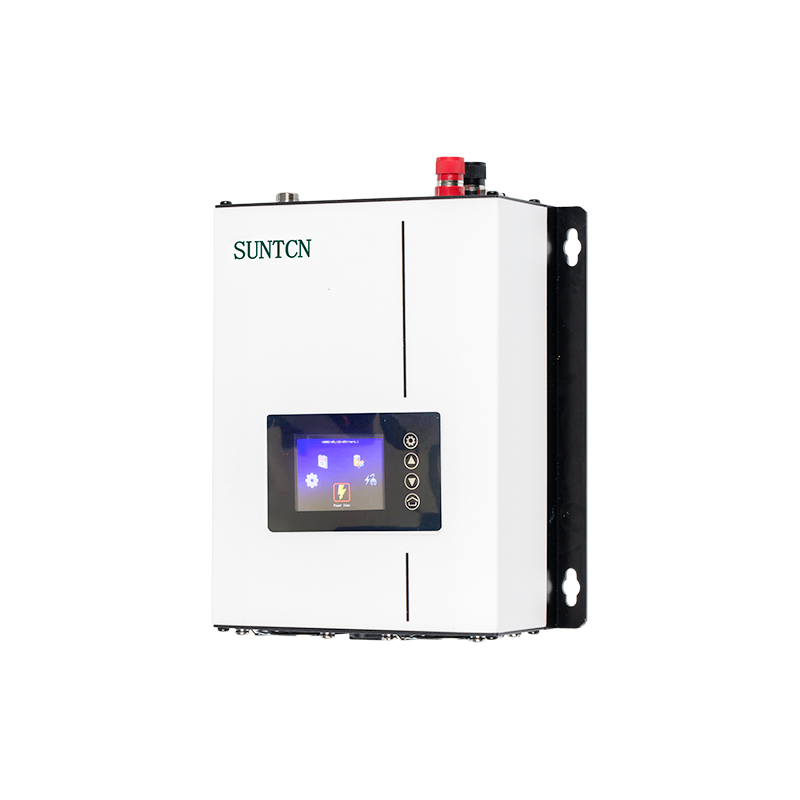
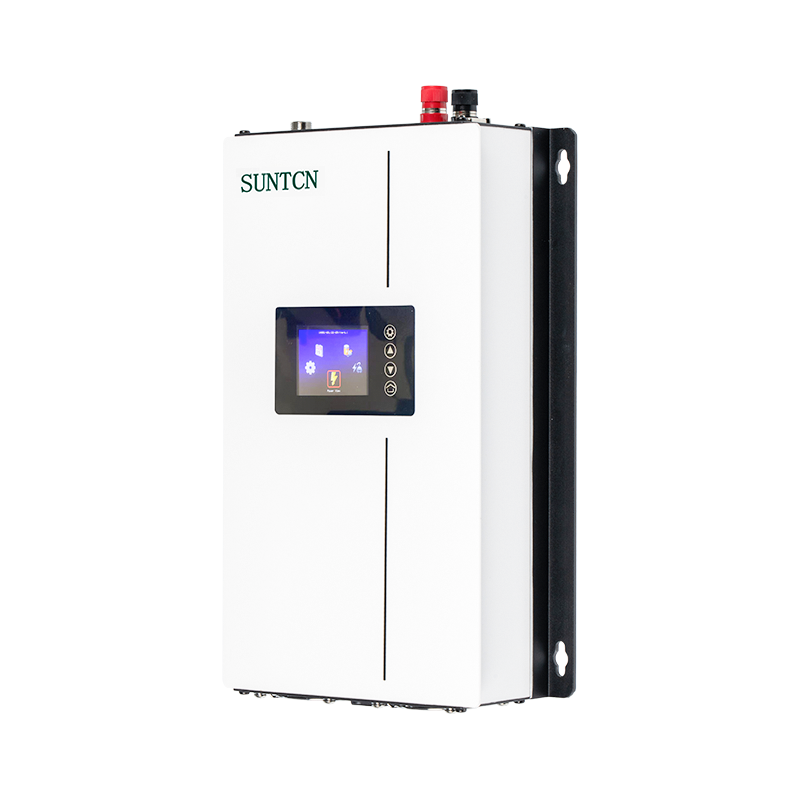
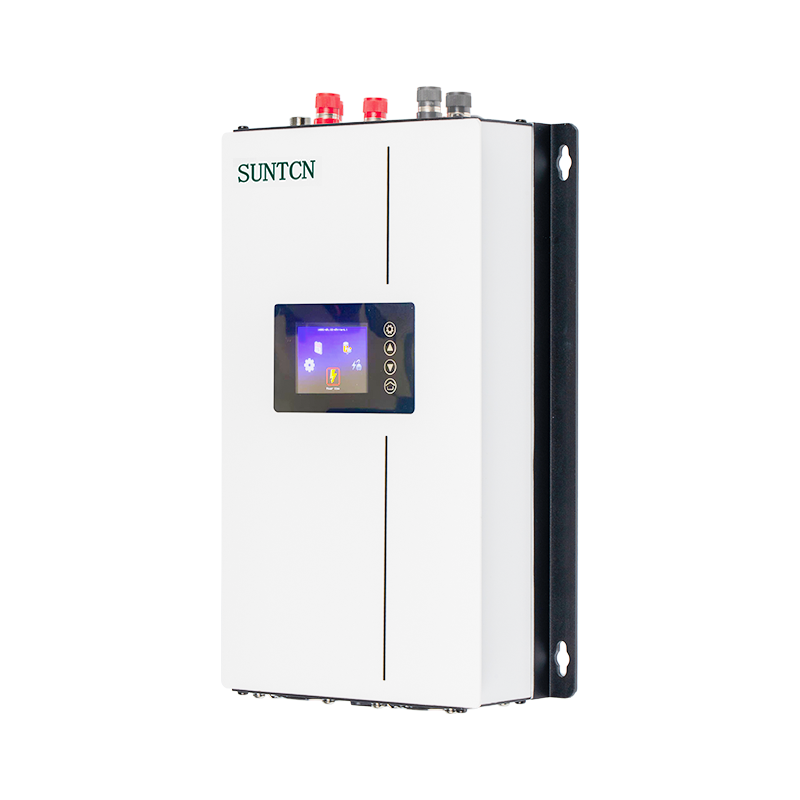
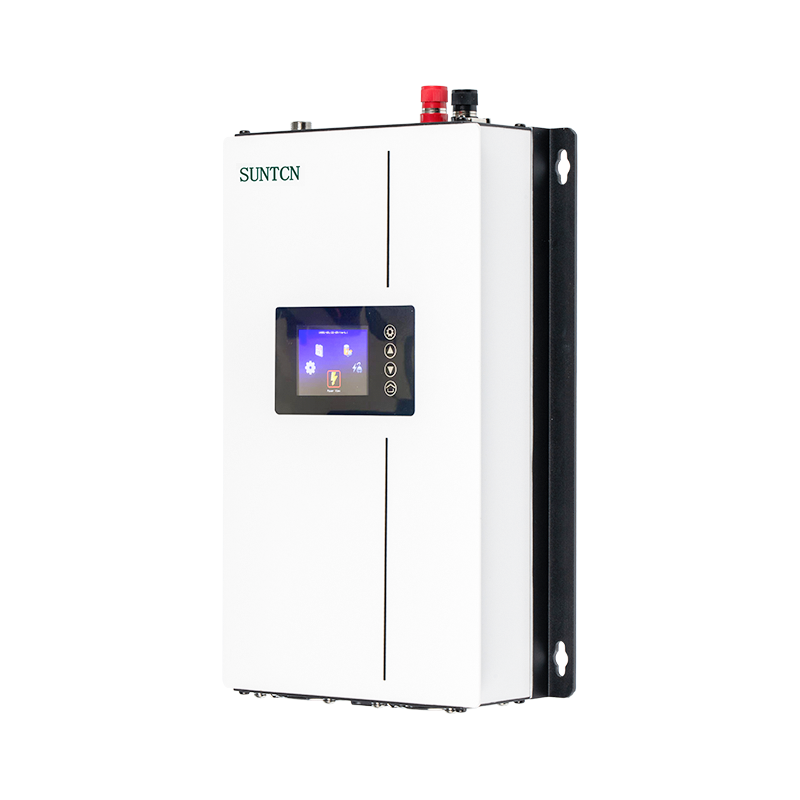
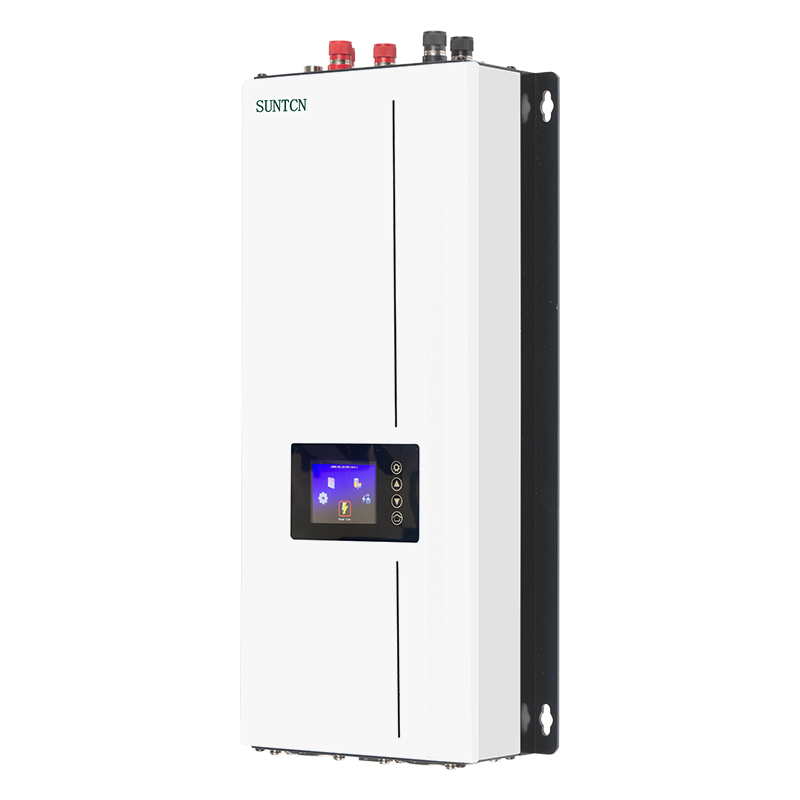
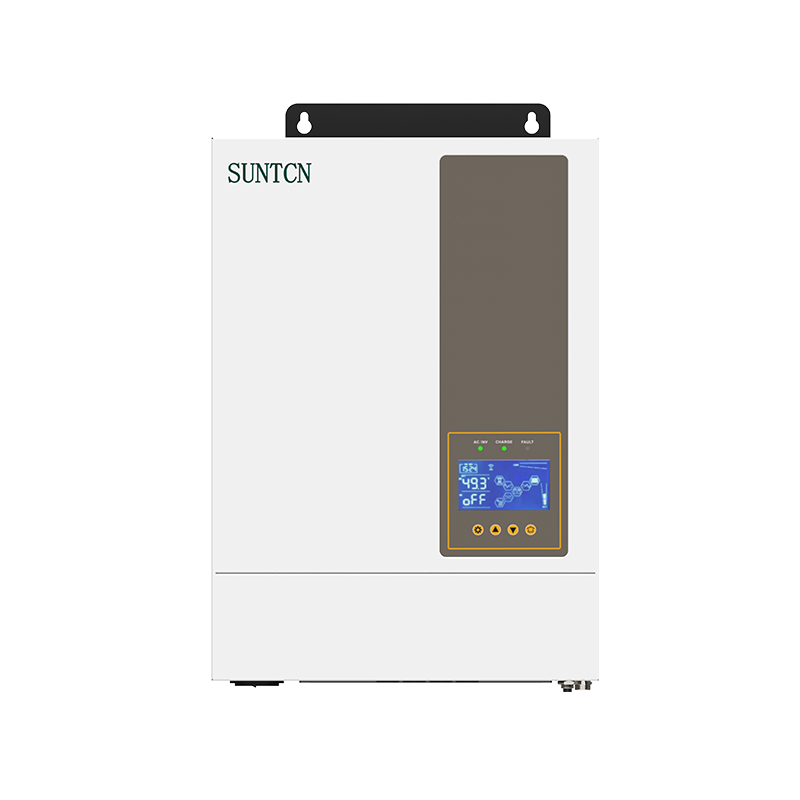
A hybrid inverter is a single device that combines the functions of a solar inverter, a battery inverter, and an energy management controller into one integrated unit. Unlike a standard string inverter that simply converts DC power from solar panels into AC power for home use, a hybrid inverter can simultaneously manage energy from solar panels, a connected battery bank, and the utility grid. It decides in real time which source powers your loads, whether to charge or discharge the battery, and when to import or export electricity — all based on programmable logic or intelligent algorithms.
At its core, a hybrid inverter contains a bidirectional DC-AC converter. This bidirectional capability is what separates it from conventional inverters: it can push power to the grid or pull from it, charge batteries from solar or from the grid during off-peak hours, and discharge batteries to the home during peak tariff windows or during outages. units also include a Power Point Tracking (MPPT) charge controller, which continuously adjusts the electrical operating point of the solar array to extract the available power under varying sunlight and temperature conditions.
Key Components Inside a Hybrid Inverter
Understanding what is inside the unit helps homeowners and installers evaluate specifications more accurately. A typical hybrid inverter integrates the following functional blocks:
- MPPT solar charge controller: Tracks the peak power point of the PV array across varying irradiance levels. High-end hybrid inverters include two or more independent MPPT inputs, allowing strings with different orientations or tilt angles to operate independently without dragging each other down.
- Bidirectional battery interface: Manages charging and discharging of the connected battery bank. Units designed for lithium batteries (LiFePO4 or NMC chemistries) include a Battery Management System (BMS) communication port — typically CANbus or RS485 — so the inverter and battery exchange state-of-charge, temperature, and cell voltage data in real time.
- Grid interface and anti-islanding protection: Monitors grid voltage and frequency, complies with grid codes such as IEEE 1547 or VDE-AR-N 4105, and disconnects from the grid within milliseconds when an outage is detected to prevent back-feeding onto de-energized lines.
- Energy management system (EMS): The onboard software layer that executes user-defined or AI-based schedules, peak shaving logic, time-of-use (TOU) optimization, and load prioritization. Many modern hybrid inverters expose their EMS via cloud platforms and smartphone apps.
Hybrid Inverter vs. Standard Solar Inverter: A Direct Comparison
Many buyers confuse hybrid inverters with standard grid-tied inverters or AC-coupled battery systems. The table below clarifies the key differences:
| Feature | Standard Grid-Tied Inverter | Hybrid Inverter |
| Battery storage support | No (requires separate battery inverter) | Yes (built-in) |
| Backup power during grid outage | No | Yes (with battery connected) |
| Grid export capability | Yes | Yes |
| TOU / peak shaving optimization | No | Yes |
| Number of devices required | 2–3 (inverter + battery inverter + charger) | 1 |
| Typical upfront cost | Lower per unit | Higher per unit, lower system cost |
Operating Modes Explained
Hybrid inverters are not single-mode devices. They switch between several operating modes depending on solar generation, battery state, grid availability, and user settings. Knowing these modes helps users configure their systems to maximize savings.
Solar Priority Mode
In this mode, solar energy powers home loads first. Any surplus charges the battery. Only when the battery reaches its state of charge does excess solar spill to the grid. This mode maximizes self-consumption and is appropriate for households with high daytime electricity use.
Battery Priority Mode
The battery discharges to power loads before the grid is drawn upon. Solar still contributes, and the grid acts as a last-resort source. This mode suits time-of-use tariff environments where grid electricity is expensive during evening peak hours and the battery has been charged cheaply during the day or during off-peak overnight periods.
Grid Priority Mode
Grid power covers loads first, while solar charges the battery. This is commonly used to maximize battery charge using cheap off-peak grid electricity in markets with flat or inverted tariff structures, so the battery is full and ready for evening peak demand.
Off-Grid / Backup Mode
When the grid fails, the hybrid inverter disconnects from the utility and switches to island mode within milliseconds. Solar and battery together power a dedicated backup circuit or, in whole-home systems, all connected loads. The speed of this transition is critical: quality hybrid inverters switch within 20 milliseconds, which is fast enough to keep computers and sensitive electronics running without interruption.
How to Size a Hybrid Inverter Correctly
Sizing errors are the common cause of underperforming hybrid solar systems. The inverter must be matched to both the solar array and the expected load profile, not just one of them.
- Match inverter AC output to peak load: Calculate the simultaneous wattage of appliances you intend to run — including motors with high startup currents — and select an inverter whose continuous AC output rating exceeds that figure. A 5 kW hybrid inverter running at 90% capacity continuously will degrade faster than one operating at 60–70% of its rated output.
- Size the PV input to MPPT capacity: Each MPPT input has a DC input voltage (typically 450–600 V) and a input current. Stringing too many panels in series can exceed the voltage limit; too few in parallel may not deliver adequate current. Use a string sizing calculator from the manufacturer before finalizing panel layout.
- Match battery voltage and chemistry to inverter specs: A hybrid inverter rated for 48 V LiFePO4 batteries cannot be paired with a 51.2 V NMC pack without verifying BMS compatibility. Mismatches in charge voltage limits or communication protocols can trigger protection shutdowns or, worse, overcharge events.
- Account for future expansion: If you plan to add more panels or a second battery module later, choose a hybrid inverter with spare MPPT inputs and a battery port that supports higher capacity without requiring a full system replacement.
Installation Requirements and Safety Considerations
Hybrid inverter installation is more involved than fitting a standard grid-tied unit because it adds battery wiring, a backup circuit, and often an automatic transfer switch (ATS) or changeover relay. In jurisdictions, installation must be performed by a licensed electrician, and the system must comply with local grid connection standards before receiving permission to operate.
Ventilation is a practical concern that installers sometimes overlook. Hybrid inverters generate heat during operation — a 10 kW unit can dissipate several hundred watts as waste heat under full load. Units should be mounted on a solid wall with at least 30 cm of clearance on all sides, away from direct sunlight and flammable materials. If the inverter is installed in an enclosed cabinet alongside lithium batteries, active ventilation or thermal management must be factored into the cabinet design to prevent heat buildup that shortens component lifespan.
Firmware updates are another underappreciated aspect of hybrid inverter maintenance. Manufacturers regularly release updates that improve MPPT efficiency, fix battery communication bugs, and add new grid code compliance profiles. Connecting the inverter to the home network via Ethernet or Wi-Fi ensures it can receive these updates automatically and allows remote monitoring through the manufacturer's cloud platform.
Choosing the Right Hybrid Inverter for Your Needs
The market offers hybrid inverters from entry-level units suited to small residential systems to three-phase commercial platforms capable of managing hundreds of kilowatts. When evaluating brands and models, focus on the following practical criteria rather than marketing claims:
- Battery compatibility list: Confirm that the inverter officially supports the battery brand and model you intend to use. Officially tested pairings guarantee full BMS integration, accurate state-of-charge reporting, and warranty coverage from both manufacturers.
- Warranty and local support: A five-to-ten-year warranty is standard for reputable brands. Equally important is whether the manufacturer has a local distributor or service partner who can dispatch a technician if the unit fails, rather than requiring you to ship a heavy inverter overseas for repair.
- Monitoring platform quality: The inverter's app and cloud dashboard should display real-time power flows, historical generation and consumption data, and alert notifications. Some platforms also integrate with electricity tariff data to automate charge and discharge scheduling without manual input.
- Certifications: Look for grid compliance certifications relevant to your country — such as AS/NZS 4777 for Australia, G99 for the UK, or VDE 0126 for Germany — as these are required for grid connection approval and often for rebate eligibility.
A hybrid inverter is the central intelligence of a modern home energy system. Selecting the right unit based on accurate load analysis, compatible battery chemistry, and verified grid compliance will determine whether your solar-plus-storage investment delivers reliable performance and meaningful savings over its operational life.