 English
 Español
 Deutsch
Content
- 1 What Is a Hybrid Inverter and How Does It Work?
- 2 Key Benefits of Installing a Hybrid Inverter
- 3 Hybrid Inverter vs. Other Inverter Types
- 4 Important Specifications to Evaluate Before Buying
- 5 How to Size a Hybrid Inverter for Your Home
- 6 Installation Considerations and Common Mistakes to Avoid
- 7 Top Hybrid Inverter Brands Worth Considering
- 8 Is a Hybrid Inverter the Right Choice for You?
What Is a Hybrid Inverter and How Does It Work?
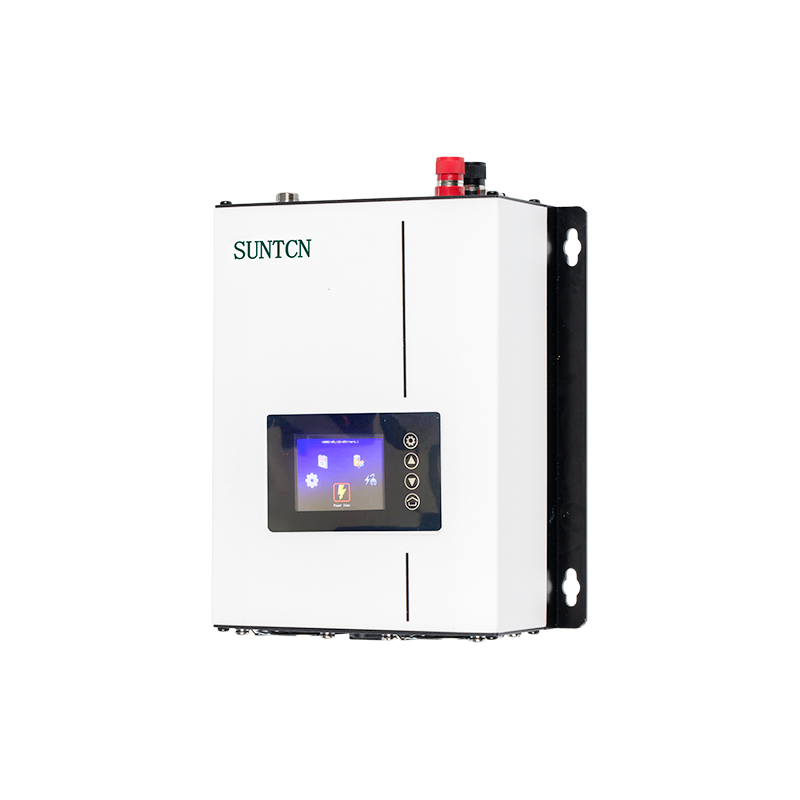
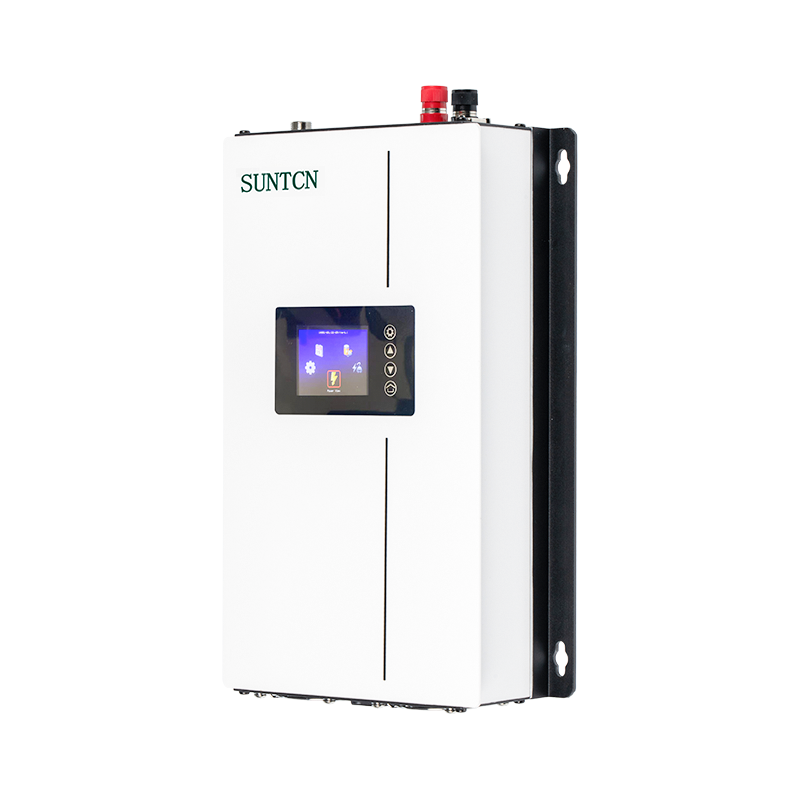
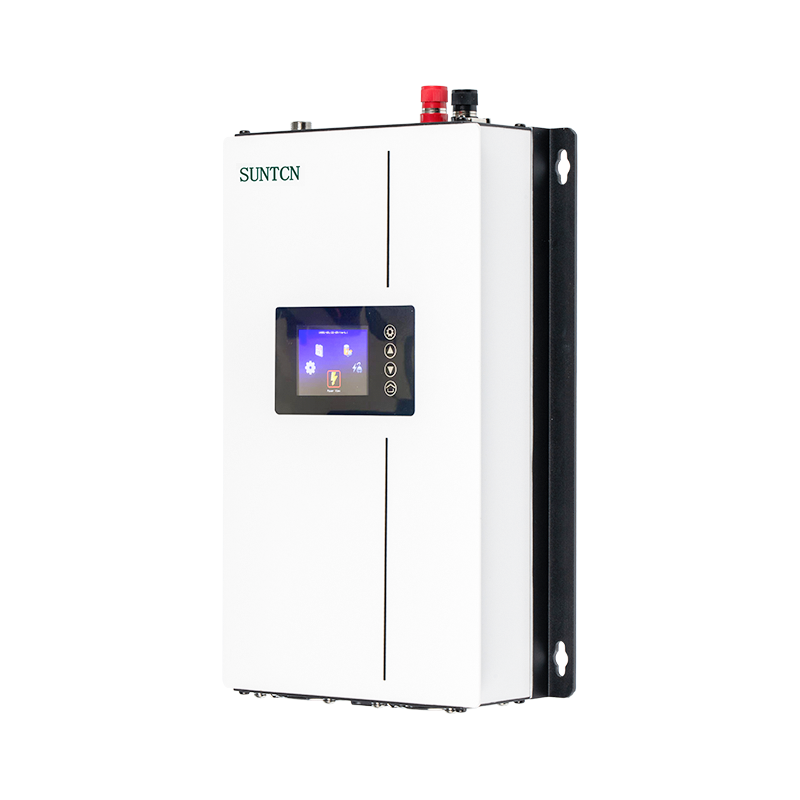
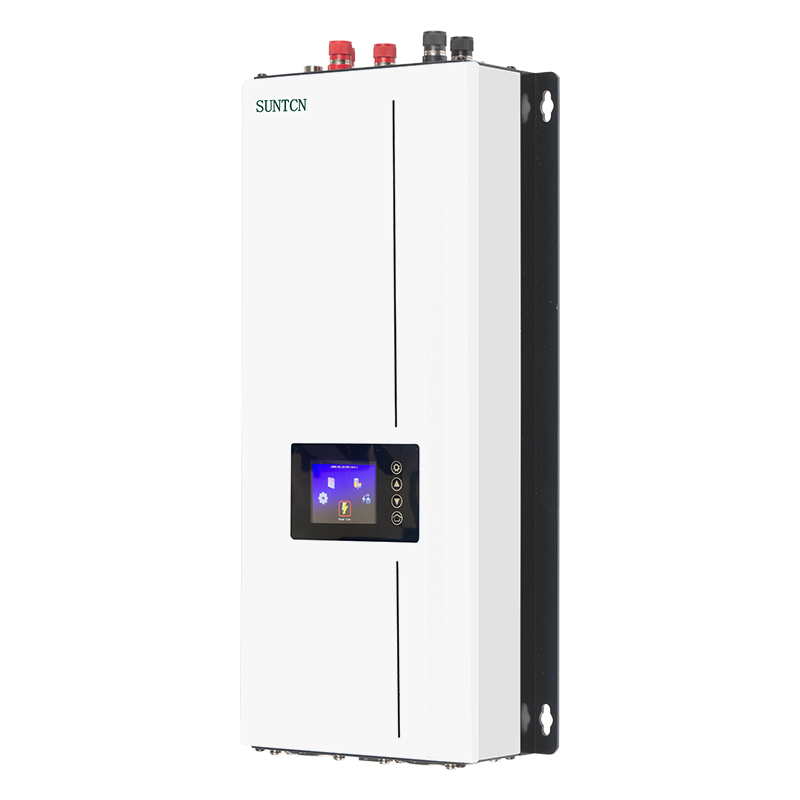
A hybrid inverter is the brain of a modern solar energy system. Unlike a standard string inverter that only converts DC power from solar panels into AC power for your home, a hybrid inverter does considerably more. It manages power flow between your solar panels, battery storage, the utility grid, and your household loads — all in one integrated unit. This makes it an essential component for homeowners who want energy independence, backup power, and efficiency from their solar investment.
At its core, a hybrid inverter contains both a solar inverter and a battery inverter. When your solar panels generate electricity, the hybrid inverter converts it for home use, directs excess energy to charge your battery bank, and can export surplus power to the grid. When solar production is low or unavailable, it seamlessly draws power from the battery. During a grid outage, it can isolate your home from the grid and operate in off-grid mode, keeping your essential appliances running without interruption.
Key Benefits of Installing a Hybrid Inverter
Homeowners and businesses switching to hybrid inverters gain several concrete advantages over traditional setups. These go beyond simple energy conversion and touch on financial savings, resilience, and long-term flexibility.
Energy Independence and Backup Power
One of the valued features is the ability to maintain power during grid outages. With a connected battery system, a hybrid inverter can automatically switch to battery power within milliseconds, ensuring your lights, refrigerator, internet router, and medical devices remain operational. This is especially valuable in regions with frequent blackouts or unstable grid infrastructure.
Reduced Electricity Bills
By storing excess solar energy during the day and using it during peak tariff hours in the evening, a hybrid inverter helps you avoid expensive grid electricity. In markets with time-of-use (TOU) pricing, this strategy — known as peak shaving — can deliver significant monthly savings. Some hybrid inverters also support grid-charging, allowing you to fill your battery when electricity rates are (e.g., overnight) and discharge during expensive peak hours.
Scalability and Future-Proofing
modern hybrid inverters are designed to be modular. You can start with a solar-only setup and add battery storage later without replacing your inverter. As your energy needs grow — perhaps adding an electric vehicle charger or a home extension — many units support expanded battery capacity and additional solar input strings.
Hybrid Inverter vs. Other Inverter Types
Understanding how a hybrid inverter compares to other common inverter types helps clarify when it's the right choice for your system.
| Inverter Type | Battery Support | Off-Grid Capable | For |
| String Inverter | No | No | Basic grid-tied solar |
| Microinverter | No | No | Shaded or complex roofs |
| Off-Grid Inverter | Yes | Yes | Remote, no-grid locations |
| Hybrid Inverter | Yes | Yes (with battery) | Grid-tied homes wanting storage + backup |
As the table illustrates, a hybrid inverter occupies a unique position — it delivers the grid connectivity of a string inverter while also offering battery management and off-grid capability. For residential solar-plus-storage installations, it is the practical and versatile choice.
Important Specifications to Evaluate Before Buying
Not all hybrid inverters are created equal. When comparing models, pay attention to the following technical specifications to ensure the unit matches your energy needs and battery chemistry.
- Continuous Output Power (kW): This determines how much load the inverter can handle simultaneously. A typical home needs between 3 kW and 10 kW. Choose a size that covers your peak daytime loads.
- Battery Compatibility: modern hybrid inverters support lithium iron phosphate (LiFePO4) batteries via CAN or RS485 communication protocols. Confirm compatibility with your preferred battery brand before purchasing.
- MPPT Inputs and Voltage Range: Multiple Power Point Trackers (MPPTs) allow you to connect solar panels in different orientations or strings. A wider input voltage range gives you more flexibility in panel configuration.
- Backup/EPS Response Time: For critical loads, look for an Emergency Power Supply (EPS) response time under 20 milliseconds to prevent sensitive devices from restarting during a grid outage.
- Efficiency Rating: Look for a peak efficiency of 97% or higher. Even small efficiency differences translate into meaningful energy losses over years of operation.
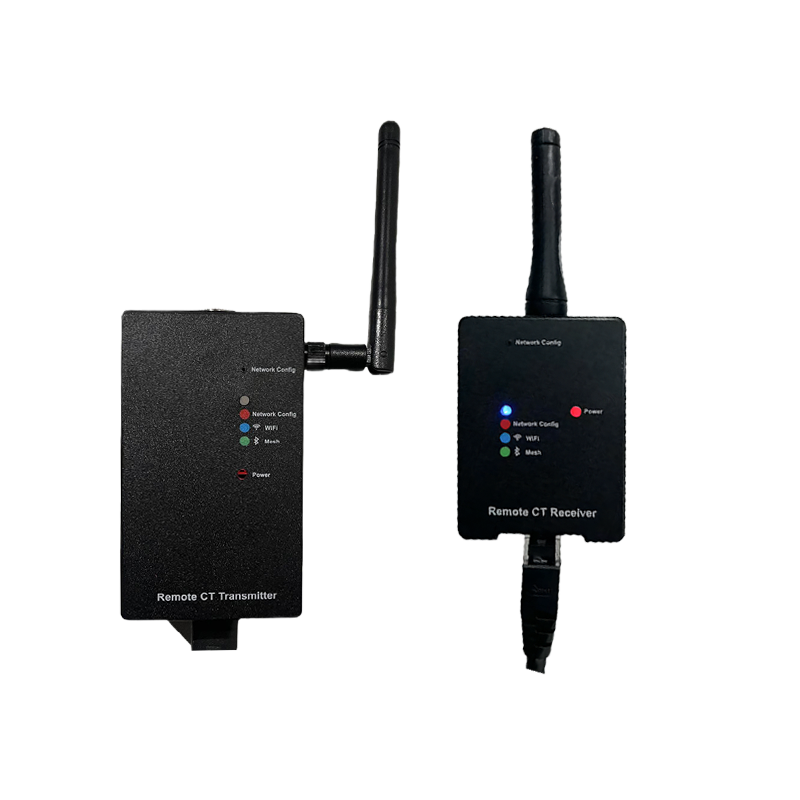
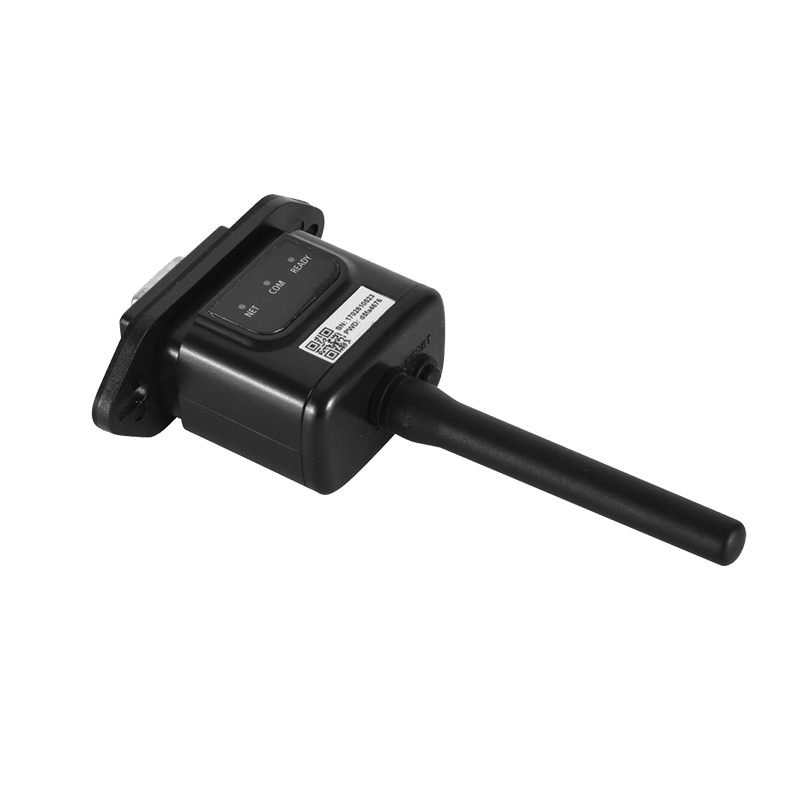
- Monitoring and Smart Grid Features: Wi-Fi or Ethernet connectivity with a dedicated app allows you to monitor production, consumption, and battery state in real time. Some units support grid export limiting and demand response programs.
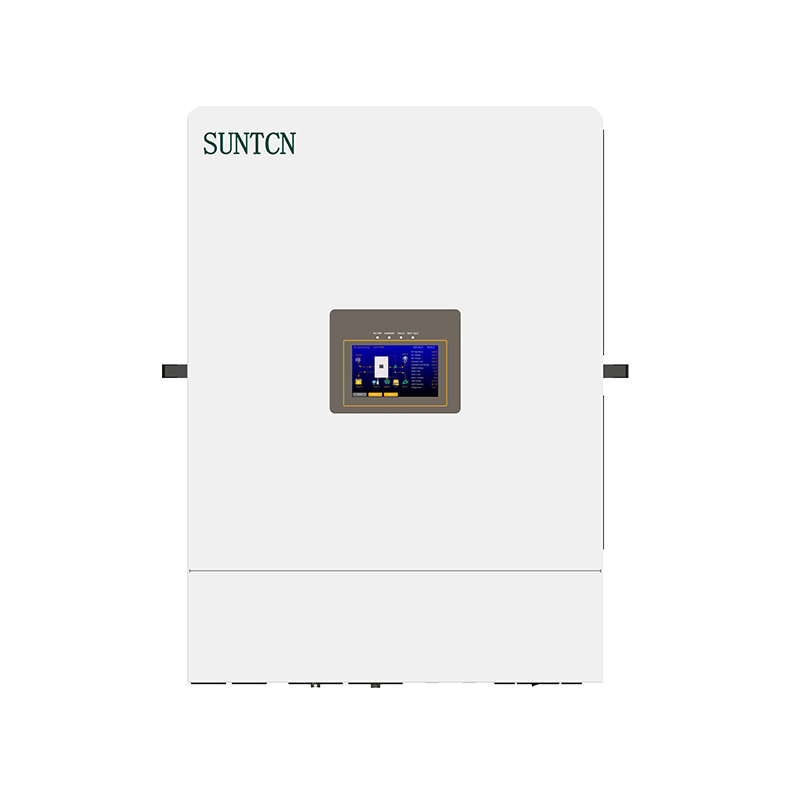
How to Size a Hybrid Inverter for Your Home
Correct sizing is critical. An undersized inverter will struggle during peak demand, while an oversized unit wastes money on unnecessary capacity. Here is a straightforward process to determine the right size:
Step 1 – Calculate Your Peak Load
List all appliances you intend to run simultaneously. Add up their wattage. For example, an air conditioner (2,000 W), refrigerator (200 W), washing machine (500 W), and lighting (300 W) totals 3,000 W. Your inverter should comfortably exceed this figure, ideally by 20–30% to accommodate startup surges from motors and compressors.
Step 2 – Match Your Solar Array Size
The inverter's solar input capacity should align with your panel array. A 6 kW solar array needs an inverter with at least 6 kW of PV input capacity. Many hybrid inverters allow slight oversizing of the solar array (up to 120–150% of inverter capacity) to improve production during low-irradiance periods — check the manufacturer's specifications for this ratio.
Step 3 – Plan Your Battery Capacity
Determine how many hours of backup you need and which loads must remain powered. If you want to run 1,500 W of essential loads for 8 hours, you need at least 12 kWh of usable battery capacity. The hybrid inverter's battery charge/discharge current will influence how quickly you can charge or deploy that energy.
Installation Considerations and Common Mistakes to Avoid
Even the hybrid inverter will underperform if it is poorly installed. Here are key installation factors and pitfalls that professionals and DIY installers should be aware of:
- Ventilation: Hybrid inverters generate heat during operation. Install them in a shaded, well-ventilated location away from direct sunlight. Overheating triggers thermal throttling, reducing output.
- Cable Sizing: Undersized DC cables between the solar panels and inverter cause resistive losses and can be a fire hazard. Always follow the manufacturer's cable sizing recommendations based on current and distance.
- Grid Connection Compliance: countries require hybrid inverters to meet specific anti-islanding and grid protection standards. Ensure your unit is certified for your region (e.g., VDE 4105 in Germany, G98/G99 in the UK, UL 1741 in the US).
- Separate Critical Load Panel: To use the backup function effectively, your electrician should wire essential loads (lights, fridge, router) to a dedicated critical load panel. This prevents the inverter from being overloaded during an outage by non-essential appliances.
- Firmware Updates: Manufacturers regularly release firmware updates that improve compatibility, fix bugs, and add features. Register your device and keep it updated for performance.
Top Hybrid Inverter Brands Worth Considering
The market offers a wide range of hybrid inverters spanning different price points and feature sets. Some of the widely deployed and reliable brands include:
- SolarEdge: Known for its DC-coupled architecture and strong monitoring platform. The SolarEdge Home Hub integrates well with its own battery system.
- Growatt: A popular choice for cost-conscious buyers. Offers a comprehensive range from 3 kW to 25 kW with broad battery compatibility.
- Sungrow: A global market with highly efficient units, an app interface, and robust build quality suitable for both residential and commercial use.
- Victron Energy: Favored by off-grid and marine installers for its durability and advanced configurability, though it typically requires more technical setup knowledge.
- Huawei FusionSolar: Offers AI-powered energy management and tight integration with its LUNA2000 battery system, making it a premium choice for smart home setups.
When selecting a brand, prioritize local after-sales support and warranty terms. A 10-year product warranty with a 5-year workmanship warranty from a locally represented brand is generally preferable to a cheaper unit with no local service infrastructure.
Is a Hybrid Inverter the Right Choice for You?
A hybrid inverter makes strong financial and practical sense if you already have — or plan to add — battery storage to your solar system, if your area experiences grid instability or outages, or if your utility offers time-of-use tariffs where energy prices vary significantly throughout the day. It is also the logical choice if you anticipate growing your energy consumption through EV charging or home expansion.
If you have a simple grid-tied solar system with no immediate plans for battery storage and your grid is highly reliable, a conventional string inverter may still be the more cost-effective option in the short term. However, given the rapid decline in battery prices and the increasing value of energy resilience, many installers now recommend specifying a hybrid inverter from the outset — even before a battery is purchased — to avoid the cost of a future system upgrade.
Ultimately, the hybrid inverter represents a fundamental shift in how homes interact with energy — moving from passive consumers of grid power to active, intelligent energy managers. Choosing the right model, sizing it correctly, and installing it properly sets the foundation for a reliable, cost-effective, and future-ready energy system for decades to come.