 English
 Español
 Deutsch
Content
- 1 Understanding the 600W Solar Grid Tie Inverter
- 2 How a 600W Grid Tie Inverter Works in Practice
- 3 Technical Specifications to Evaluate Before Purchase
- 4 Panel Matching and System Design
- 5 Installation Process and Safety Considerations
- 6 Efficiency Optimization Strategies
- 7 Return on Investment and Energy Savings
- 8 Common Problems and Troubleshooting
- 9 Is a 600W Solar Grid Tie Inverter Right for You?
Understanding the 600W Solar Grid Tie Inverter
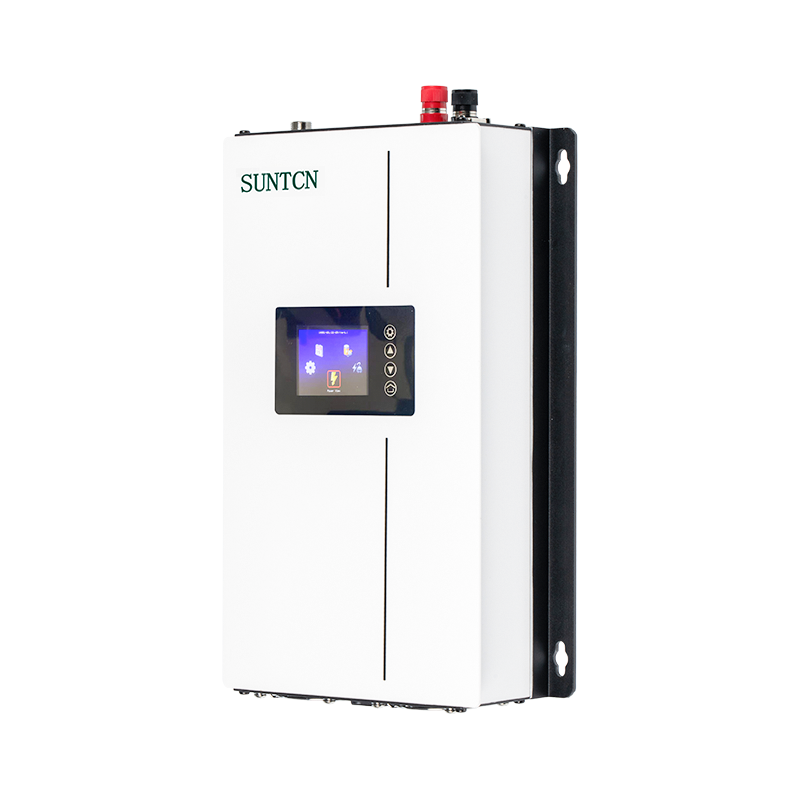
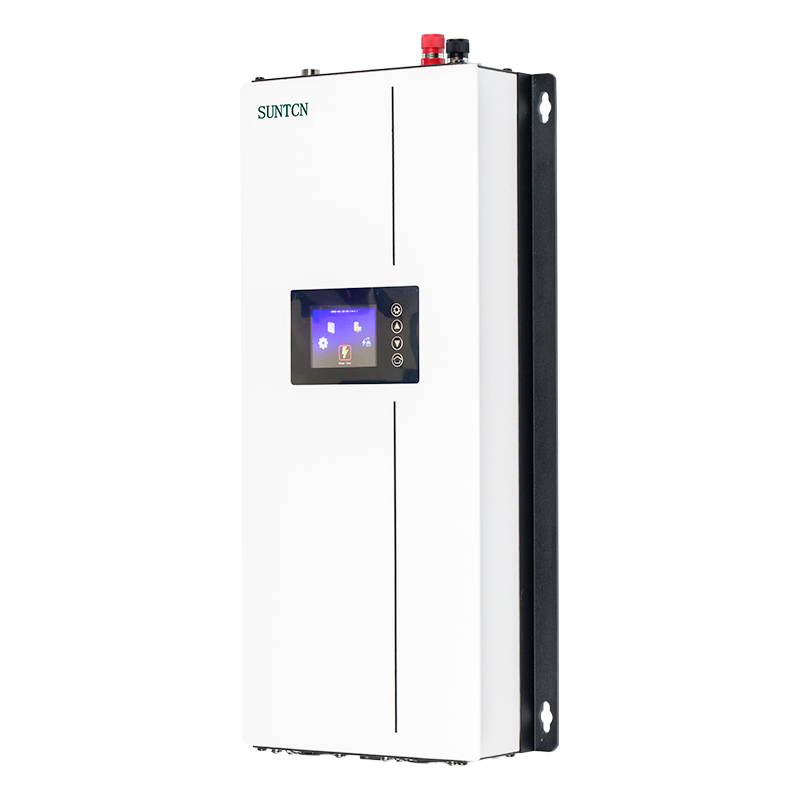
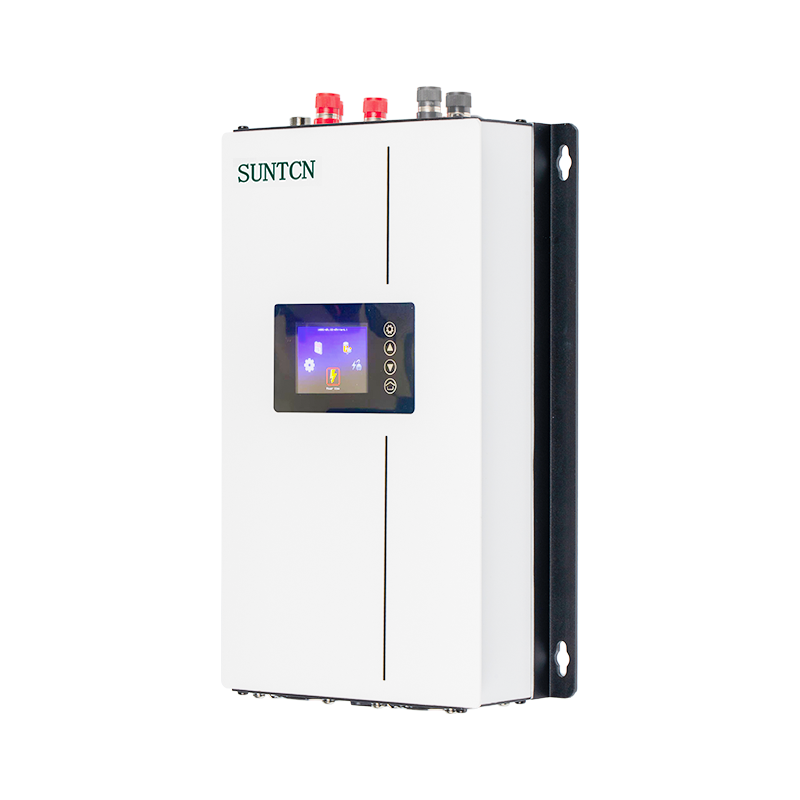
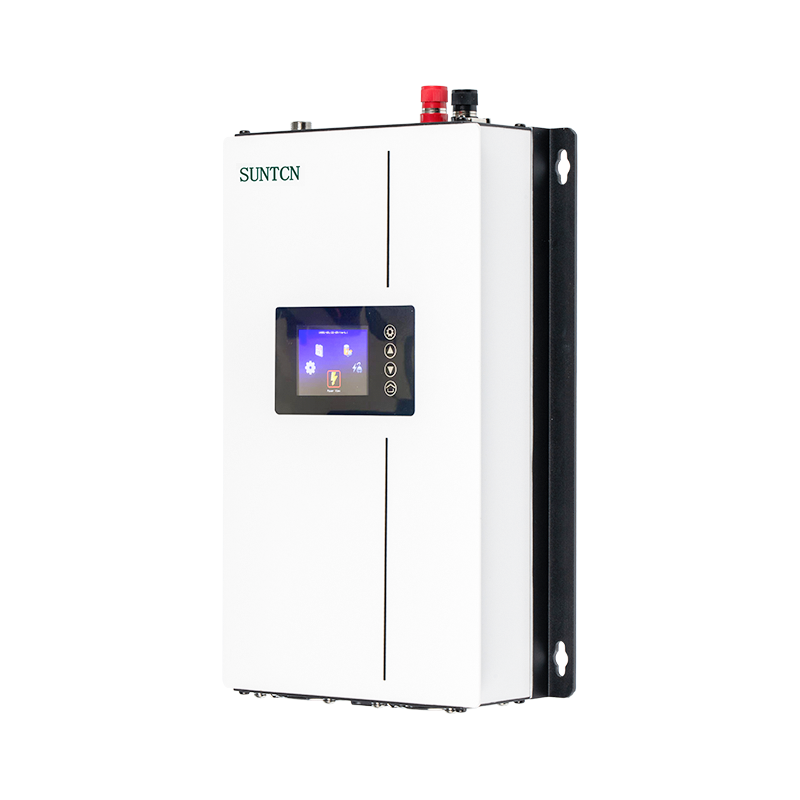
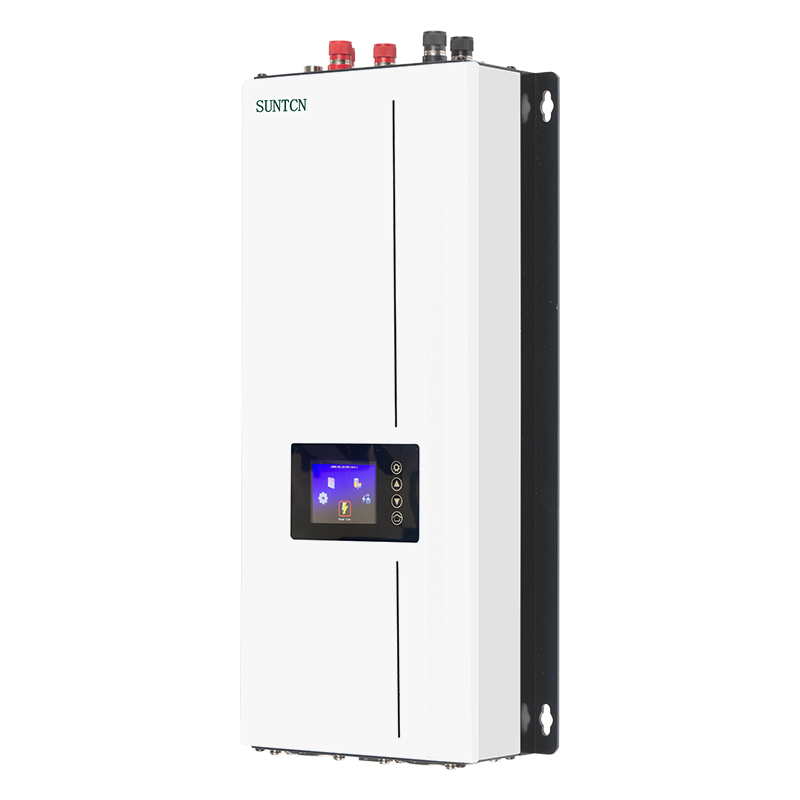
A 600W Solar Grid Tie Inverter is a compact power conversion device designed to convert direct current (DC) generated by solar panels into alternating current (AC) that can be directly fed into a utility grid. Unlike off-grid inverters, a grid tie inverter does not require battery storage. Instead, it synchronizes with the grid’s voltage and frequency, allowing solar energy to reduce household or commercial electricity consumption in real time.
The 600W capacity makes it ideal for small-scale installations such as balcony solar systems, small residential rooftops, garden offices, or supplemental energy systems. This inverter size balances affordability, easy installation, and measurable energy savings without requiring complex infrastructure upgrades.
How a 600W Grid Tie Inverter Works in Practice
When solar panels generate DC electricity, the 600W inverter performs Maximum Power Point Tracking (MPPT) to optimize energy harvest. It continuously adjusts input voltage to ensure the panels operate at peak efficiency under varying sunlight conditions. The inverter then converts DC to grid-synchronized AC power.
A key feature of grid tie inverters is anti-islanding protection. If the grid fails or loses power, the inverter automatically shuts down to prevent feeding electricity back into the grid, ensuring safety for maintenance workers and compliance with electrical regulations.
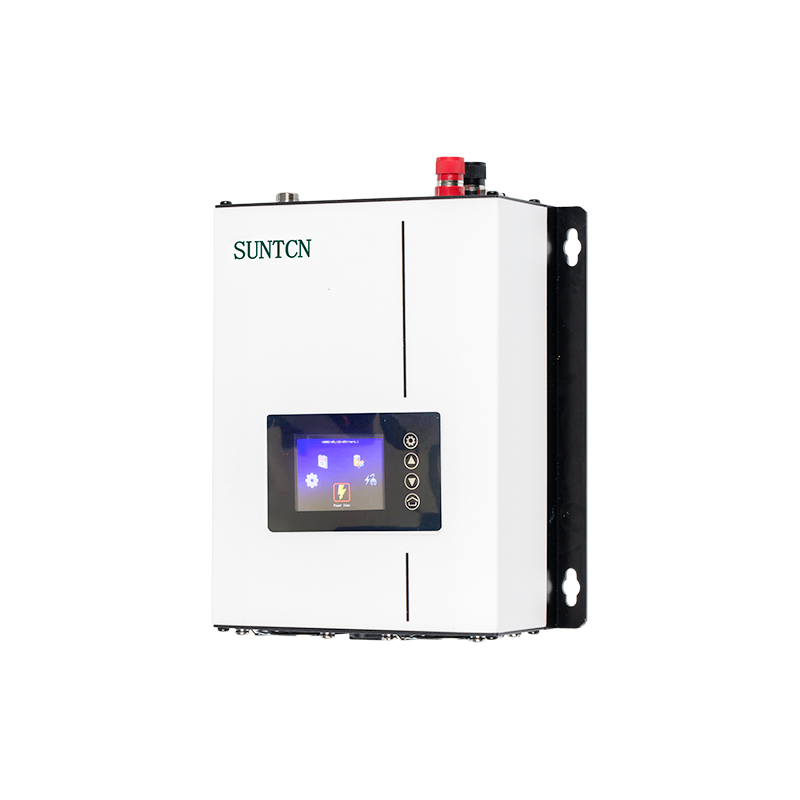
Core Operational Components
- DC input terminals connected to solar panels
- MPPT controller for voltage optimization
- DC-AC conversion circuit
- Grid synchronization module
- Protection system (over-voltage, short circuit, anti-islanding)
Technical Specifications to Evaluate Before Purchase
Selecting the right 600W Solar Grid Tie Inverter requires attention to specific electrical and environmental parameters. Even minor mismatches can reduce efficiency or create compliance issues.
| Rated Output Power | 600W (continuous AC output) |
| Input Voltage Range | Typically 18V–60V DC |
| MPPT Voltage Range | Optimized range for panel efficiency |
| Grid Voltage | 110V / 220V AC depending on region |
| Efficiency | Usually 90%–96% |
| Protection Rating | IP65 or similar for outdoor use |
Always confirm that the inverter complies with local grid standards and certifications. Regional compliance ensures safety and may be mandatory for legal grid connection.
Panel Matching and System Design
For performance, solar panel selection must match the inverter’s voltage and current limits. A common configuration uses two to four solar panels rated between 300W and 400W combined, ensuring the total wattage does not exceed inverter capacity while staying within voltage limits.
Example Configuration
- 2 × 350W solar panels in parallel
- DC voltage within 30V–50V MPPT range
- Total system output capped at 600W AC
Oversizing panels slightly (e.g., 700W total for a 600W inverter) is common practice because panels rarely operate at peak rating due to temperature losses and irradiance variations. However, verify manufacturer guidelines before oversizing.
Installation Process and Safety Considerations
Installation should follow electrical safety standards and local building codes. Although 600W systems are relatively small, improper wiring can to inefficiency or fire hazards.
Basic Installation Steps
- Mount solar panels securely with appropriate tilt and orientation
- Connect DC cables using MC4 connectors
- Ground the system properly
- Connect inverter AC output to a dedicated circuit
- Verify grid synchronization and monitoring setup
Professional installation is recommended when connecting directly to a household distribution board. In some regions, utility approval or inspection is mandatory before commissioning.
Efficiency Optimization Strategies
To maximize the return from a 600W Solar Grid Tie Inverter, attention must be paid to shading, orientation, and cable losses. Even partial shading on a single panel can significantly reduce total output.
- Install panels facing true south (northern hemisphere) or north (southern hemisphere)
- Maintain tilt angle close to local latitude
- Keep DC cable lengths short to reduce voltage drop
- Clean panel surfaces periodically
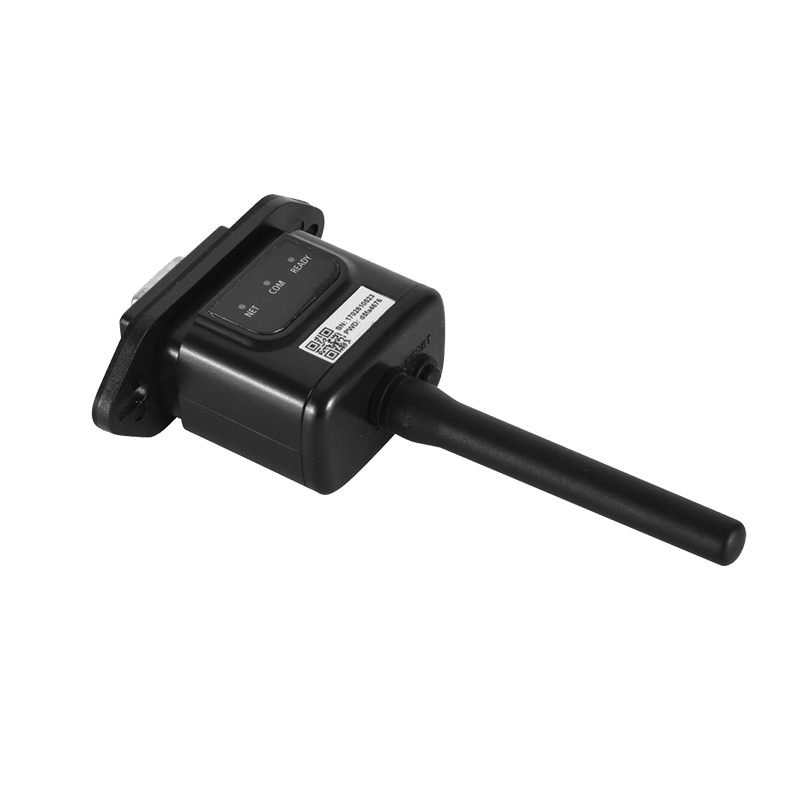
Monitoring systems, often integrated via WiFi modules, allow real-time performance tracking. Sudden drops in output can indicate shading, connection issues, or component degradation.
Return on Investment and Energy Savings
A 600W system operating at an average of 4 peak sun hours per day can generate approximately 2.4 kWh daily. Over one year, this equates to roughly 876 kWh. Depending on local electricity prices, users can estimate annual savings.
For example, at $0.20 per kWh, annual savings would be about $175. If total system cost is $600–$900, payback may occur within 3–5 years, depending on sunlight conditions and installation costs.
Common Problems and Troubleshooting
Understanding common operational issues helps maintain system reliability. Most 600W inverters include LED indicators or app-based alerts.
- No AC output: Check grid connection and breaker status
- Low power generation: Inspect for shading or panel dirt
- Frequent shutdown: Verify voltage range compatibility
- Overheating: Improve ventilation around inverter
Routine inspection twice per year is usually sufficient. Ensure all connectors remain secure and corrosion-free.
Is a 600W Solar Grid Tie Inverter Right for You?
This inverter size is suited for users seeking supplemental solar generation rather than full home energy independence. It is particularly practical for apartment balconies, small offices, workshops, or areas where large rooftop systems are not feasible.
If your objective is to offset daytime base loads such as refrigerators, routers, lighting, or office equipment, a 600W Solar Grid Tie Inverter offers a cost-effective and technically straightforward solution. For larger consumption patterns, multiple units or higher-capacity inverters may be more appropriate.
Careful system design, compliance with electrical standards, and proper installation ensure that this compact inverter delivers consistent performance, energy savings, and long-term reliability.