 English
 Español
 Deutsch
Content
What a Three-Phase Hybrid Inverter Actually Does
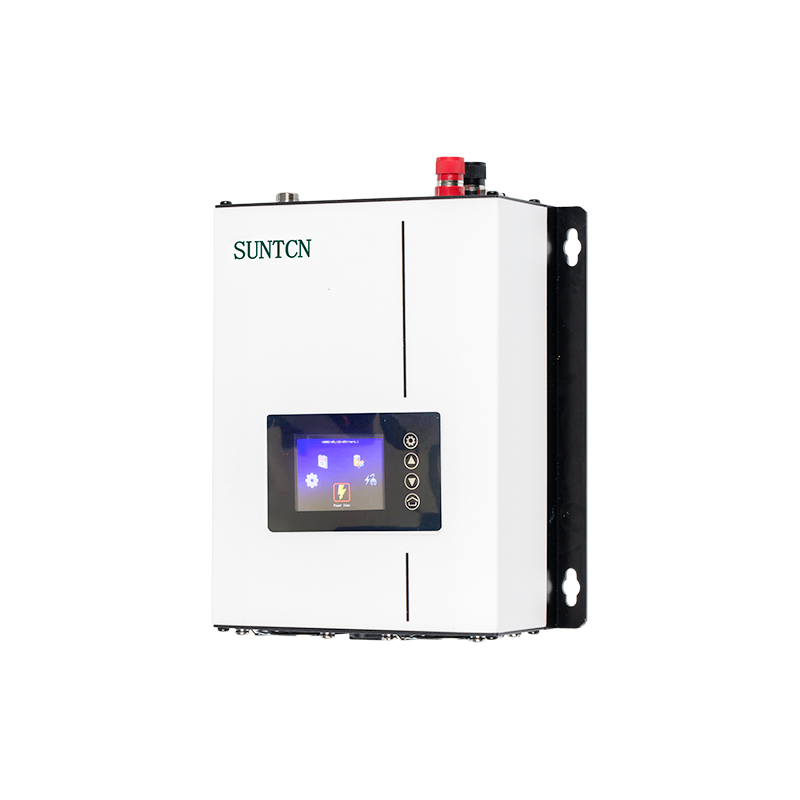
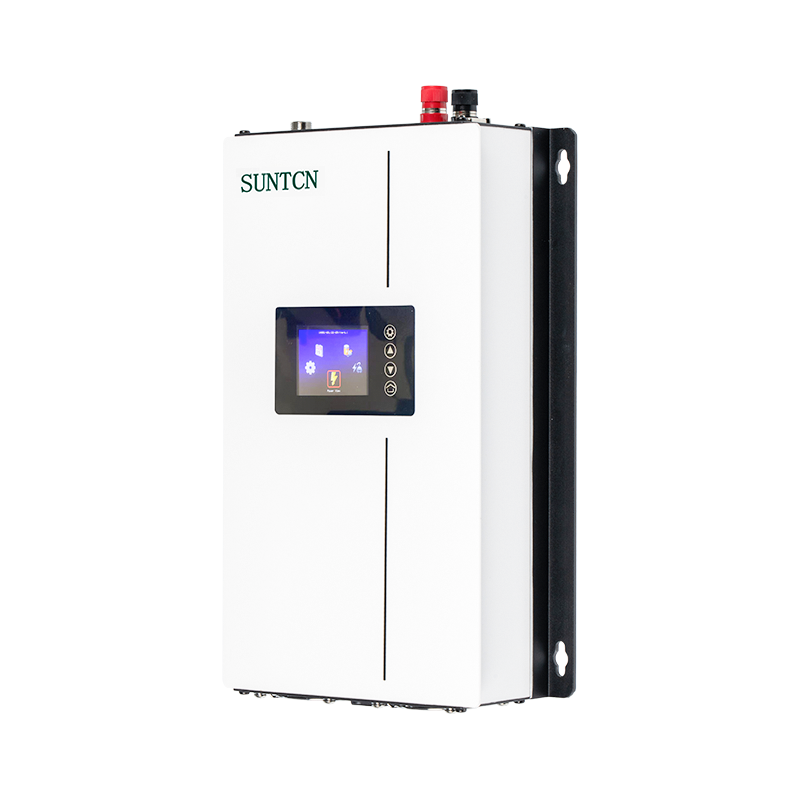
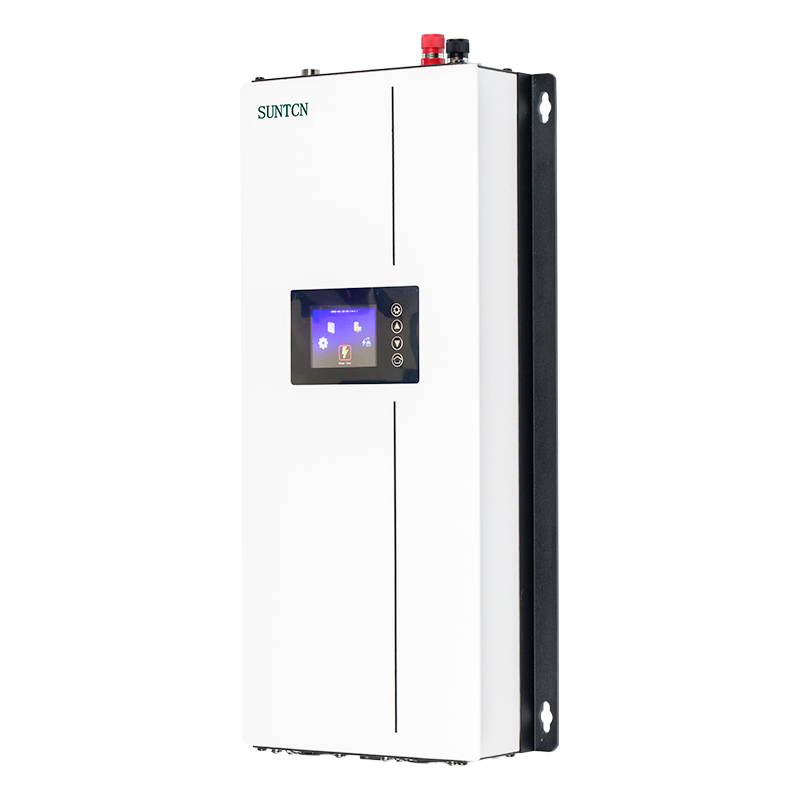
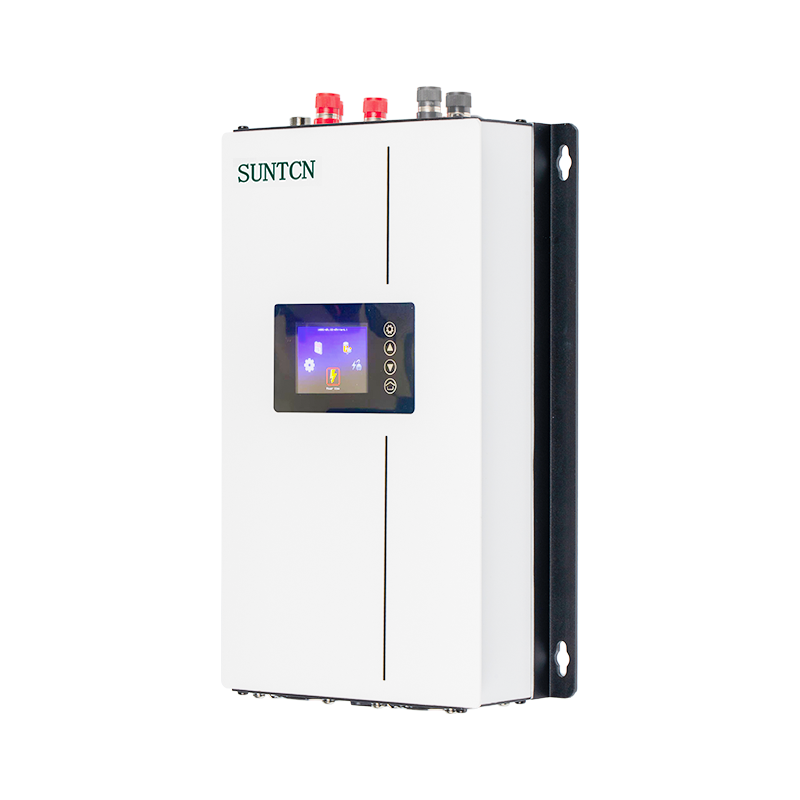
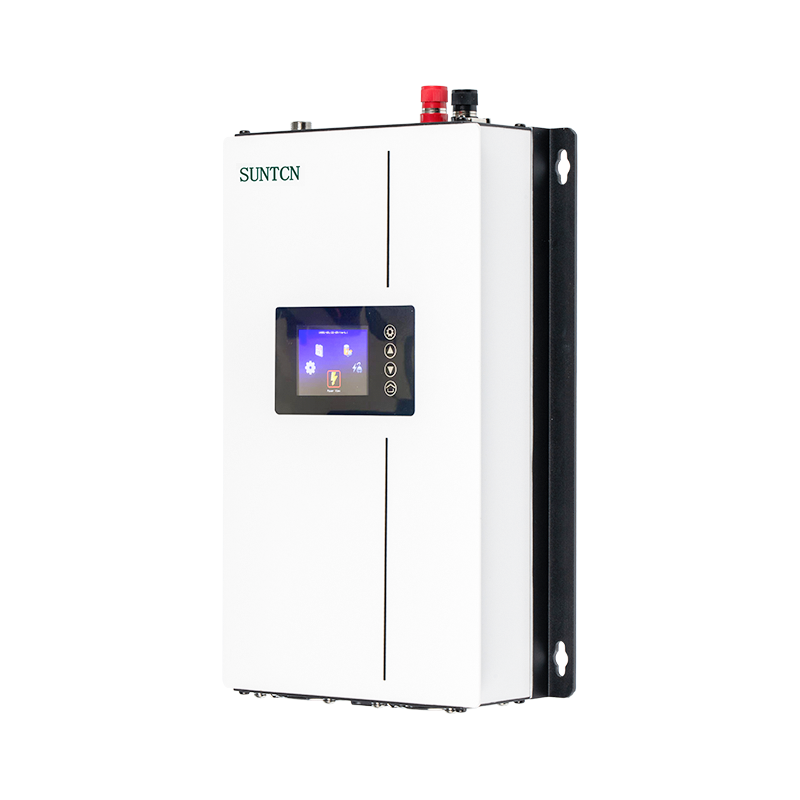
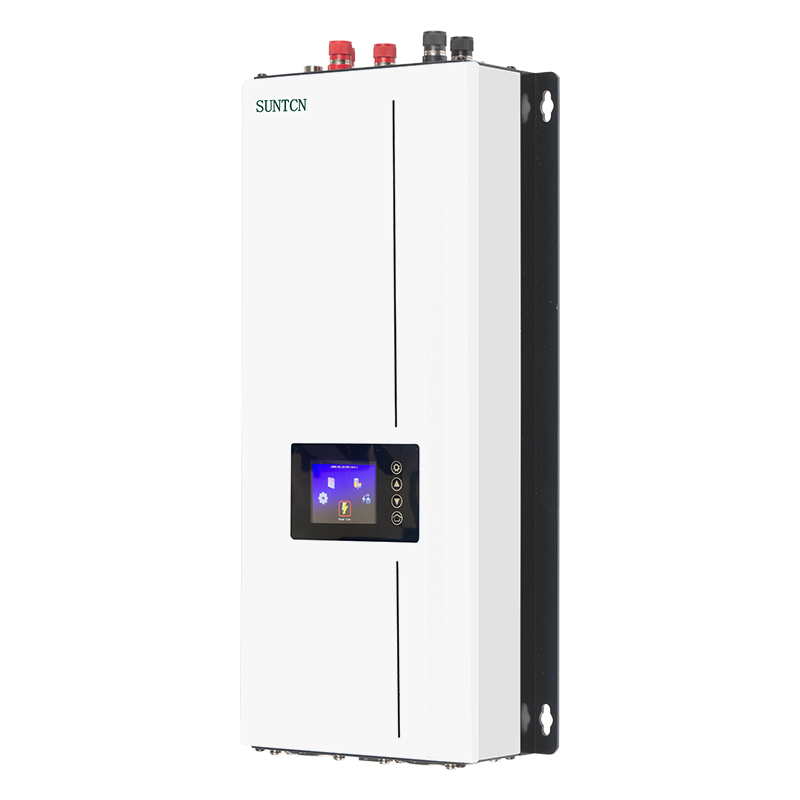
A three-phase hybrid inverter combines two functions that used to require separate equipment: converting solar power from DC to AC electricity, and managing energy storage in a battery system, all within a single unit designed for three-phase electrical setups. Three-phase power delivers electricity across three alternating currents offset in timing, which distributes load more evenly and supports higher power capacity than single-phase systems. This makes three-phase hybrid inverters particularly suited to larger residential properties, commercial buildings, and any site where electrical demand is too high or too unbalanced for a standard single-phase inverter to handle efficiently.
The hybrid aspect of these inverters allows them to intelligently manage power flow between solar panels, battery storage, and the electrical grid, often switching between these sources automatically based on real-time conditions such as solar output, battery charge level, and grid availability. This flexibility is one of the main reasons hybrid inverters have become popular for properties aiming to maximize self-consumption of solar energy while maintaining backup power capability during outages.
How Power Flows Through a Hybrid System
During daylight hours, solar panels generate DC electricity that the hybrid inverter converts into usable AC power for the property's electrical loads. Any excess solar energy beyond immediate consumption needs is directed toward charging the connected battery storage system, allowing that energy to be used later rather than exported to the grid at potentially lower compensation rates. Once the battery reaches full charge and consumption needs are met, remaining excess power is typically exported to the grid, depending on the specific settings and grid connection agreement in place.
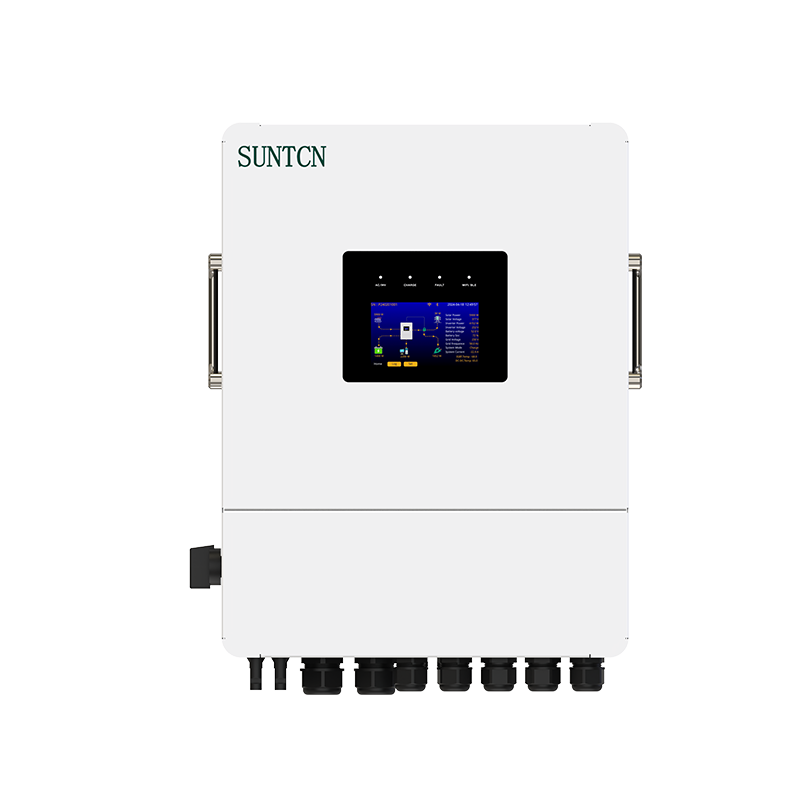
In the evening or during periods of low solar generation, the inverter draws stored energy from the battery to meet household or commercial power needs, only pulling from the grid once battery reserves are depleted. During a grid outage, hybrid inverters with appropriate backup capability can disconnect from the grid automatically and continue supplying power from solar generation and battery storage, a feature that standard grid-tied inverters without battery integration cannot offer.
Typical Power Flow Priority
- Solar power supplies immediate household or facility loads
- Excess solar energy charges the connected battery storage
- Remaining surplus power exports to the grid where applicable
- Battery power supplies loads once solar generation drops
- Grid power supplements only after battery reserves are depleted
Key Specifications to Compare Before Buying
Rated power output, measured in kilowatts, should align closely with the property's expected electrical demand and the capacity of the connected solar array. Undersizing an inverter relative to system needs can to power shortfalls during high-demand periods, while oversizing typically means paying more upfront without a corresponding benefit. Battery compatibility is another critical factor, since not all hybrid inverters support every battery chemistry or voltage range, and mismatched compatibility can limit storage options or void warranty coverage on either the inverter or the battery.
Round-trip efficiency, which measures how much energy is lost when power flows from solar generation through the battery and back out for use, directly affects how much of the stored energy is actually usable. A higher efficiency rating means less energy is wasted in the conversion and storage process. Backup power capability and switchover time during grid outages also vary between models, and properties with critical power needs during outages should pay particular attention to how quickly and seamlessly a given inverter transitions to backup mode.
Specifications Comparison Table
| Specification | Why It Matters |
| Rated Power Output | Must match expected electrical demand |
| Battery Compatibility | Limits storage options and warranty terms |
| Round-Trip Efficiency | Determines usable stored energy |
| Backup Switchover Time | Affects reliability during outages |
When a Three-Phase System Makes Sense Over Single-Phase
Properties with higher electrical loads, such as those running large HVAC systems, workshop equipment, or multiple high-draw appliances simultaneously, generally benefit from three-phase power due to its ability to distribute load more evenly and reduce voltage fluctuations. Commercial buildings and larger residential properties are common candidates for three-phase hybrid inverters, particularly in regions where three-phase grid connections are standard or where local utility regulations require three-phase equipment above certain power thresholds.
Single-phase inverters remain suitable and more cost-effective for smaller residential properties with lower overall power demand, since installing three-phase equipment where it isn't necessary adds unnecessary cost without a proportional benefit. Consulting with a qualified electrician or solar installer to assess actual electrical demand, existing wiring infrastructure, and local grid connection requirements helps determine whether a three-phase system is genuinely needed or whether a single-phase alternative would serve the property just as effectively.
Planning for Long-Term System Performance
Choosing a reputable manufacturer with accessible technical support and a solid warranty is particularly important for hybrid inverters, since these units combine more complex functionality than standard grid-tied inverters and may require occasional firmware updates or troubleshooting over their service life. Reviewing warranty terms for both the inverter and any integrated battery system helps set realistic expectations for long-term performance and replacement costs. Working with an installer experienced specifically in three-phase hybrid systems, rather than general solar installation alone, also helps ensure that the system is configured correctly from the start, avoiding performance issues that can arise from improper phase balancing or incorrect battery integration settings.