 English
 Español
 Deutsch
Content
- 1 What a Hybrid Inverter Actually Does
- 2 Core Components and How They Work Together
- 3 Operating Modes and When Each One Activates
- 4 Sizing a Hybrid Inverter to Your System
- 5 Single-Phase Versus Three-Phase Hybrid Inverters
- 6 Installation Considerations for Reliable Long-Term Operation
- 7 Monitoring and Maintaining a Hybrid Inverter System
- 8 Choosing the Right Hybrid Inverter for Your Needs
What a Hybrid Inverter Actually Does
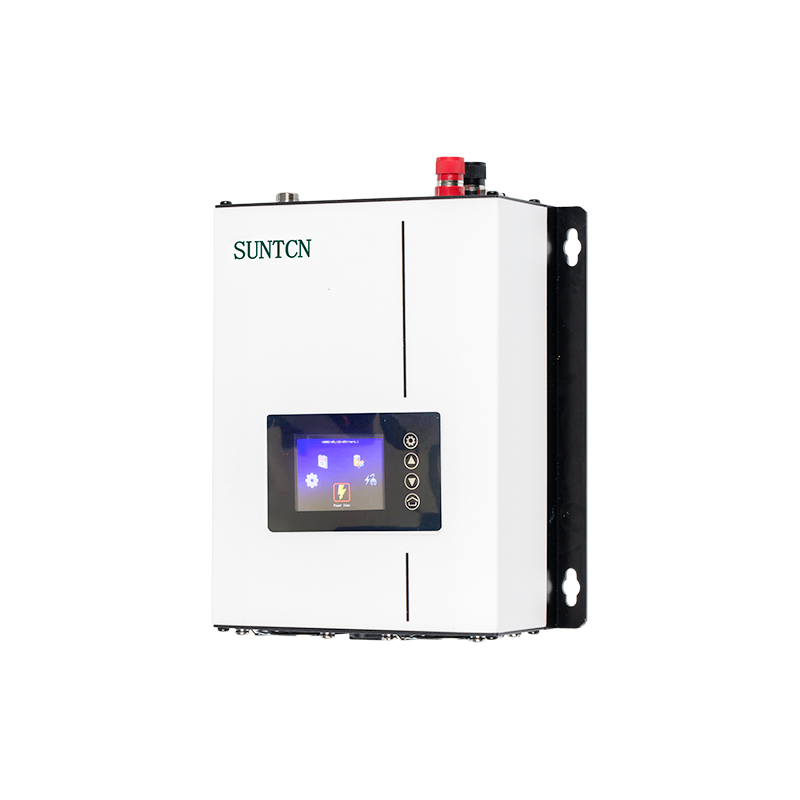
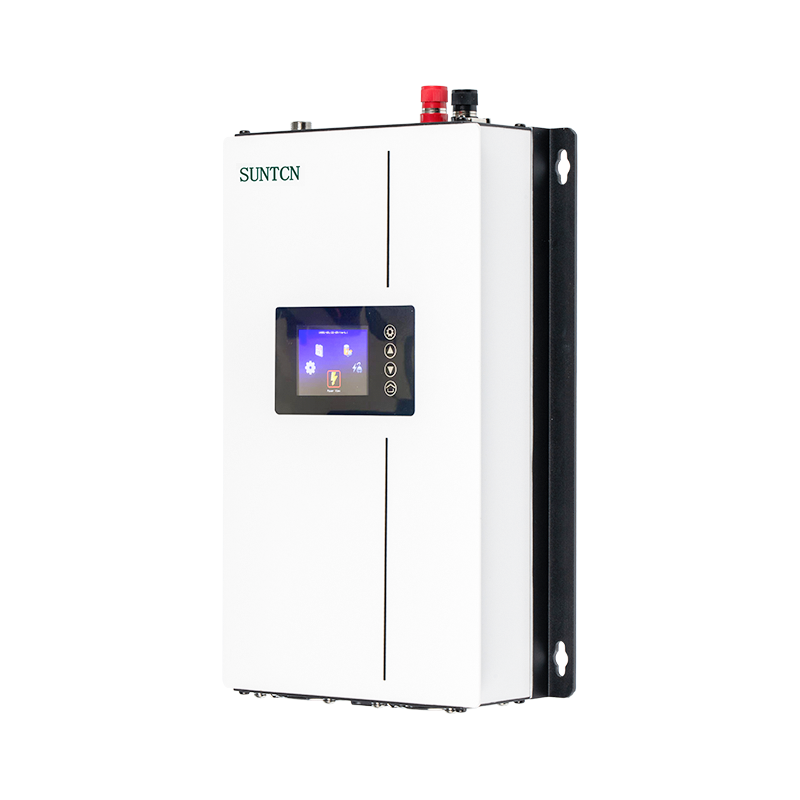
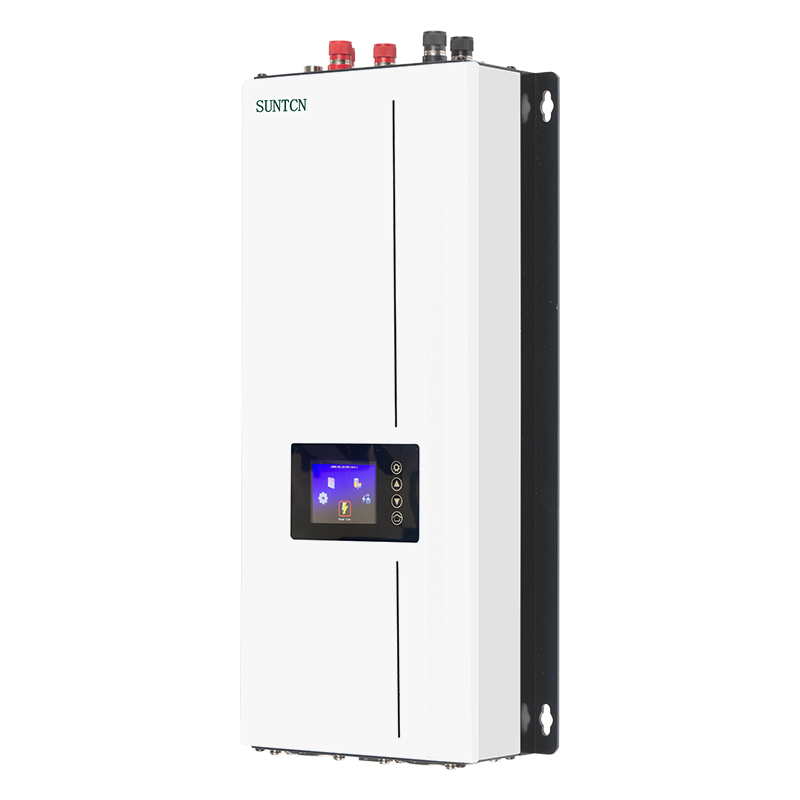
A hybrid inverter combines the functions that would otherwise require two separate devices in a solar energy system: a solar inverter that converts DC power from panels into usable AC power, and a battery inverter or charge controller that manages energy storage. This integration allows a single unit to intelligently route power between solar panels, a battery bank, the home's electrical loads, and the utility grid, deciding moment by moment where generated energy should go and where consumed energy should come from.
Without a hybrid inverter, a solar-plus-storage system would need a standalone solar inverter feeding AC power to the home, plus a separate battery inverter charging and discharging a battery bank on its own DC bus, with some form of coordination between the two. A hybrid inverter eliminates this redundancy, reducing conversion losses, simplifying wiring, and generally lowering both equipment cost and installation complexity for homeowners adding battery storage to a solar system.
Core Components and How They Work Together
Inside a hybrid inverter, a power point tracking charge controller continuously adjusts the electrical load presented to the solar array to extract the greatest possible power output as sunlight conditions change throughout the day. This DC power then flows through an internal DC bus that connects to both the battery management interface and the main inverter stage that converts DC to AC power for household use.
A built-in energy management controller monitors real-time conditions across the system, including solar generation, battery state of charge, household consumption, and grid availability, then makes second-by-second decisions about power routing. During sunny periods with excess solar production, the controller charges the battery and exports any remaining surplus to the grid if net metering allows. During an outage, the same controller can switch the home to backup power mode, drawing from the battery while physically disconnecting from the grid to protect utility workers from backfeed.
Main Functional Blocks
- power point tracking controller for solar input
- Battery charge and discharge management interface
- DC-to-AC inverter stage for household power delivery
- Grid interconnection and anti-islanding protection circuitry
- Onboard energy management controller and monitoring interface
Operating Modes and When Each One Activates
A hybrid inverter typically cycles through several distinct operating modes depending on solar production, battery state, and grid availability, and understanding these modes helps homeowners set realistic expectations for how their system behaves throughout the day. In self-consumption mode, the inverter prioritizes using solar power directly for household loads, sending any excess to charge the battery before exporting surplus to the grid. This mode maximizes the value of self-generated power in regions where grid export compensation is limited.
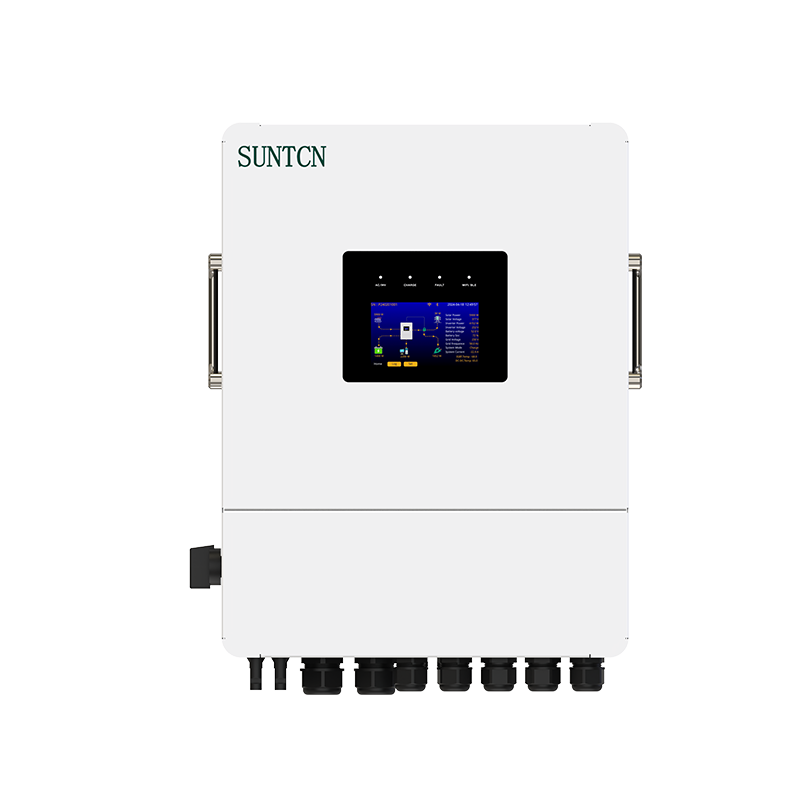
Backup mode activates automatically when the grid goes down, and the inverter isolates the home's critical circuits from the utility connection while drawing power from the battery to keep essential loads running. Time-of-use mode, available on many modern hybrid inverters, allows the system to charge the battery from the grid during low-cost off-peak hours and discharge it during expensive peak pricing periods, which can meaningfully reduce electricity bills in regions with significant time-of-use rate differences.
Common Operating Modes Compared
| Mode | Primary Goal | Best Suited For |
| Self-consumption | Maximize direct solar use | Areas with low export compensation |
| Backup power | Maintain power during outages | Areas with frequent grid instability |
| Time-of-use optimization | Shift consumption to cheaper hours | Regions with variable electricity pricing |
| Full export | Maximize grid feed-in revenue | Areas with favorable feed-in tariffs |
Sizing a Hybrid Inverter to Your System
Correctly sizing a hybrid inverter requires balancing three separate ratings against each other: solar array capacity, battery capacity, and household load requirements. An inverter's continuous AC output rating should comfortably exceed your home's typical simultaneous load, with headroom for appliances like air conditioners or well pumps that draw significant surge current on startup. Undersizing this rating s to the inverter throttling output or shutting down during high-demand periods, which defeats the purpose of an otherwise well-designed system.
The inverter's DC input rating from solar panels needs to accommodate your actual array size, including some allowance for future expansion if you anticipate adding panels later. Many installers oversize the solar array relative to the inverter's rated capacity by a modest margin, typically 10 to 20 percent, since panels rarely produce their full rated output simultaneously in real-world conditions, and this practice, known as DC-to-AC oversizing, generally improves overall energy harvest without triggering inverter clipping losses.
Battery compatibility deserves equally careful attention, since not every hybrid inverter works with every battery chemistry or brand. Confirm the inverter's supported battery voltage range, communication protocol, and any manufacturer-specific compatibility list before finalizing a purchase, since mismatched components can to reduced performance or, in some cases, complete incompatibility that only becomes apparent after installation.
Single-Phase Versus Three-Phase Hybrid Inverters
residential installations use single-phase hybrid inverters, which match the single-phase electrical service common in homes and are generally less expensive and simpler to install. Three-phase hybrid inverters are typically reserved for larger homes, commercial properties, or regions where three-phase utility service is standard, and they offer more balanced power delivery across multiple circuits along with generally higher power ratings suited to larger loads.
Before selecting either option, confirm what type of electrical service your property actually has, since installing a three-phase inverter on a single-phase service, or vice versa, is not simply a matter of preference but a fundamental electrical compatibility requirement that your installer must verify against your utility connection.
Installation Considerations for Reliable Long-Term Operation
Physical placement of a hybrid inverter significantly affects both its performance and its lifespan. units should be installed in a shaded, well-ventilated location away from direct sunlight and temperature swings, since excessive heat accelerates component aging and can trigger thermal throttling that reduces output during the hottest part of the day, precisely when solar production and cooling loads are both highest.
Proper grounding and surge protection matter significantly given the inverter's role as a bridge between solar panels, batteries, and grid-connected wiring, all of which can be exposed to lightning-induced transients in an outdoor or rooftop-adjacent installation. Working with an installer familiar with local electrical codes and utility interconnection requirements helps avoid costly rework, since many jurisdictions have specific requirements around rapid shutdown capability, anti-islanding protection, and labeling that vary from one location to another.
Installation Best Practices
- Mount the inverter in a shaded, well-ventilated location
- Confirm compatibility between inverter and chosen battery chemistry before purchase
- Verify local interconnection and rapid shutdown code requirements
- Install proper surge protection at both DC and AC connection points
- Leave manufacturer-specified clearance for airflow and future servicing
Monitoring and Maintaining a Hybrid Inverter System
hybrid inverters include a monitoring app or web portal that displays real-time and historical data on solar production, battery state of charge, household consumption, and grid interaction. Reviewing this data periodically helps catch developing problems early, such as a gradual decline in solar production that might indicate panel soiling or a failing string, or unusual battery charging patterns that could signal a battery health issue before it becomes a complete failure.
Routine physical maintenance is relatively minimal for a hybrid inverter compared to more mechanically complex equipment, but periodic inspection of ventilation openings for dust or debris buildup, along with a visual check of wiring connections for signs of corrosion or looseness, helps prevent gradual performance degradation. Firmware updates released by manufacturers should also be applied promptly when available, since these often address efficiency improvements, new grid compliance requirements, or bug fixes affecting battery charging algorithms.
Choosing the Right Hybrid Inverter for Your Needs
Selecting the right hybrid inverter ultimately comes down to matching its power rating, battery compatibility, and phase configuration to your specific home, solar array, and battery goals, rather than defaulting to the feature-rich or highest-rated unit on the market. A household primarily interested in backup power during outages has different priorities than one focused on time-of-use rate arbitrage or self-consumption of solar generation.
Work with a qualified installer to review your actual household load profile, local utility interconnection rules, and battery options before finalizing a purchase, and request clear documentation on continuous versus peak power ratings, supported battery chemistries, and warranty terms. Taking this deliberate approach during selection s to a system that performs reliably and delivers the specific benefits, whether cost savings, backup resilience, or both, that motivated the investment in the place.