 English
 Español
 Deutsch
Content
What a Solar Grid Tie Inverter Does
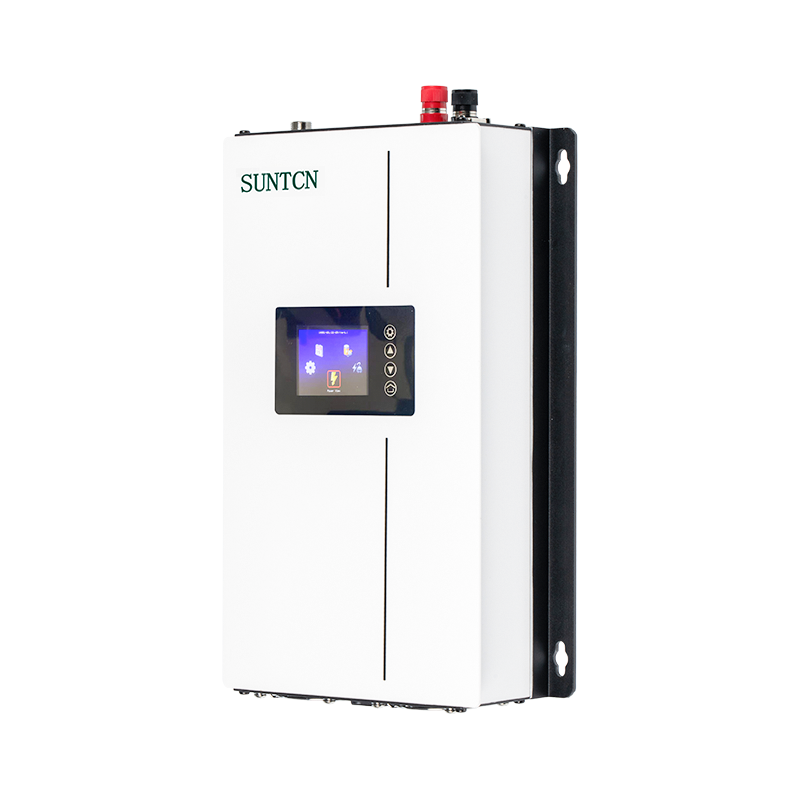
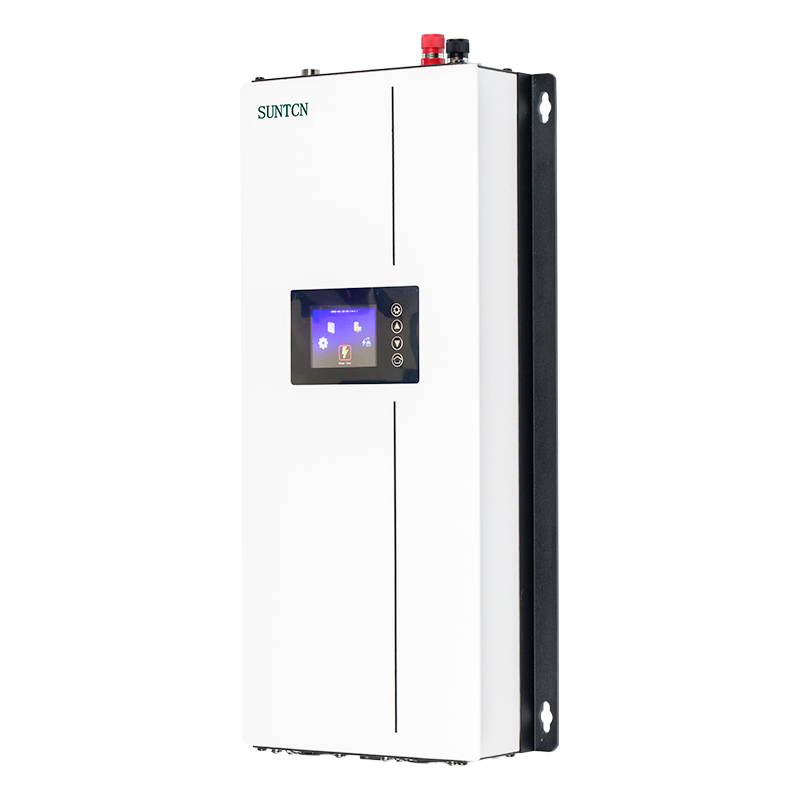
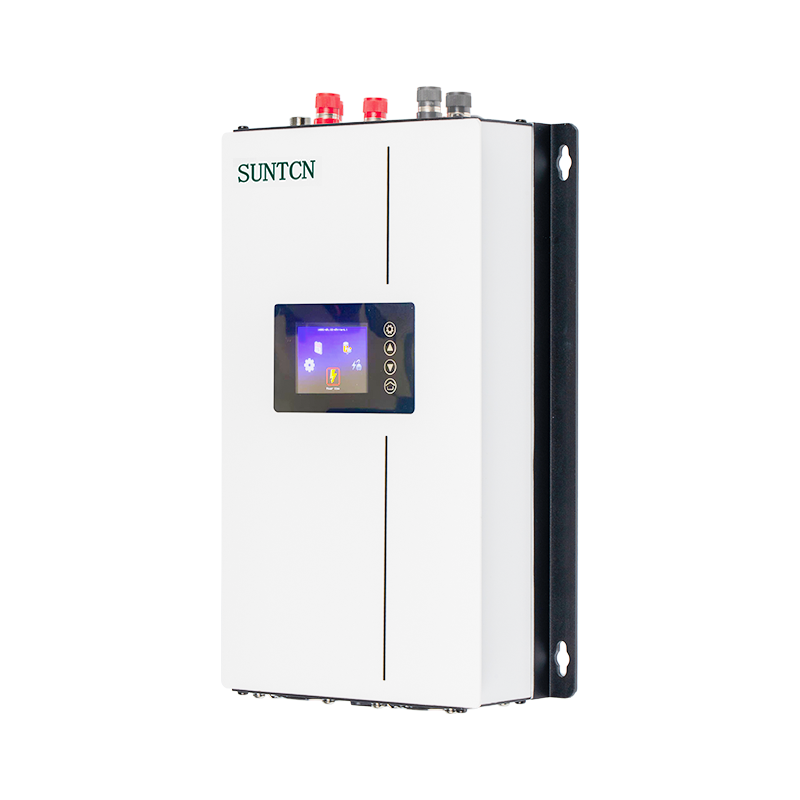
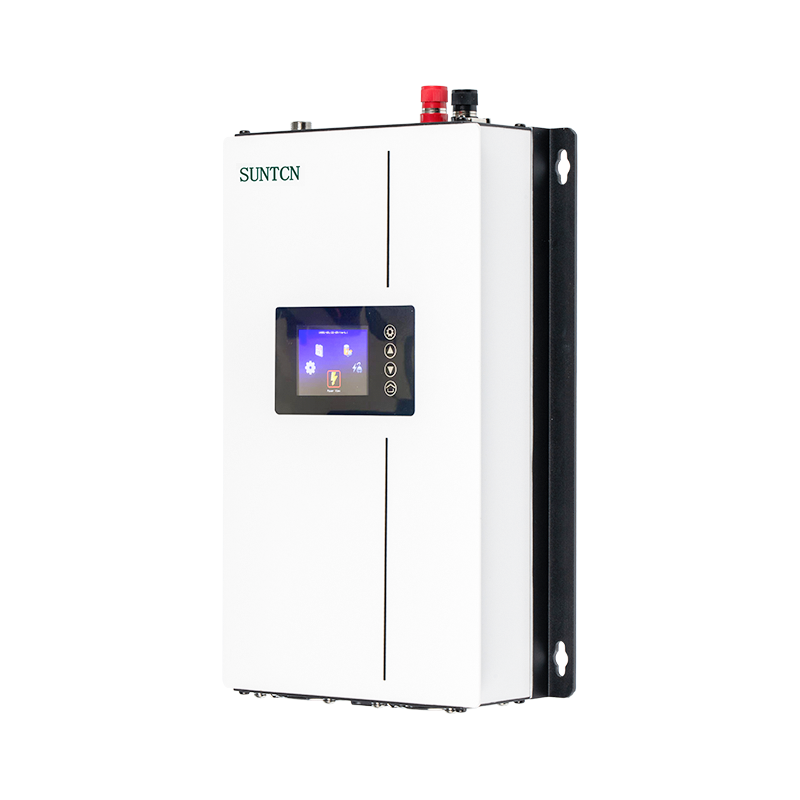
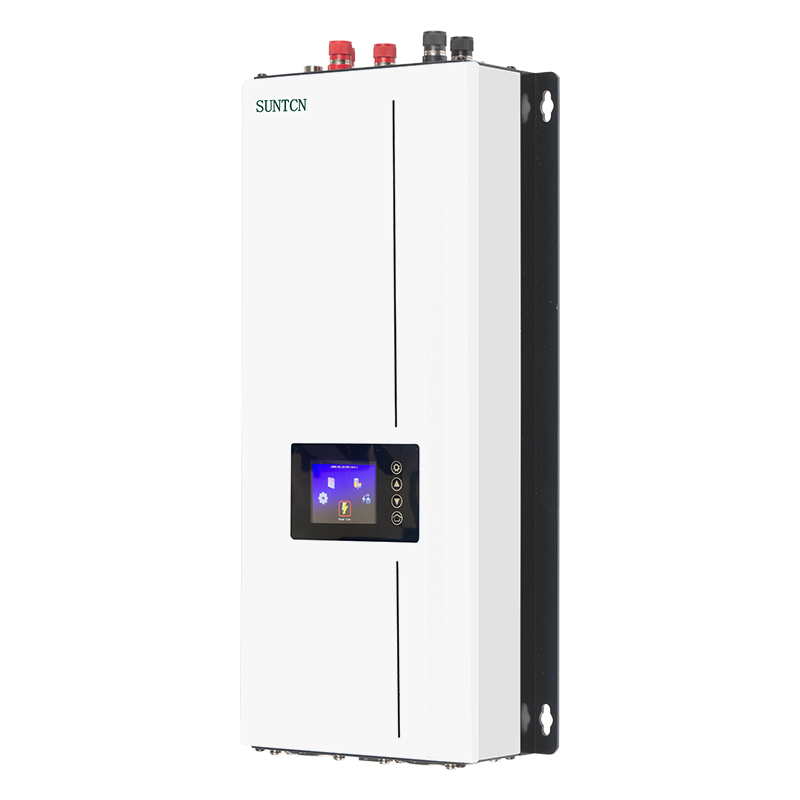
A solar grid tie inverter converts the direct current electricity produced by solar panels into alternating current that matches the voltage, frequency, and phase of the local utility grid. This conversion is essential because homes and businesses run on AC power, while solar panels naturally generate DC electricity. Without this conversion, solar energy could not be used to power household appliances or fed back into the grid for credit through net metering programs.
Unlike off-grid inverters that work with battery storage systems, grid tie inverters synchronize directly with the utility grid and typically do not include battery backup functionality on their own. This makes them well suited for homeowners who want to reduce electricity bills by offsetting grid consumption with solar generation, without the added cost and complexity of a battery storage system.
How Grid Synchronization Works
Grid tie inverters continuously monitor the utility grid's voltage and frequency to ensure the power they output matches exactly, allowing solar-generated electricity to flow seamlessly alongside grid power. This synchronization process happens automatically and requires no manual adjustment from the homeowner once the system is properly installed and commissioned.
Key Functions During Operation
- Maximum power point tracking to optimize energy harvest from solar panels
- Continuous voltage and frequency matching with the utility grid
- Automatic shutdown during grid outages for safety compliance
- Real-time monitoring of system performance and energy output
- Excess power export to the grid when production exceeds household demand
The automatic shutdown feature, often called anti-islanding protection, is a critical safety requirement that prevents the solar system from continuing to send power to the grid during an outage, protecting utility workers who may be repairing lines they assume are de-energized.
Types of Grid Tie Inverters
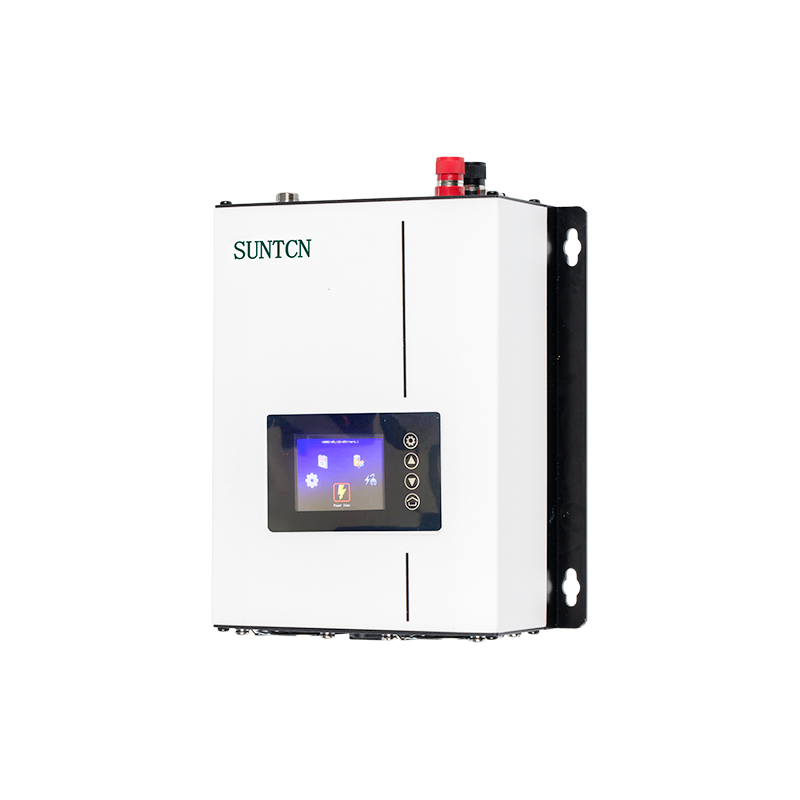
Several inverter configurations exist, each suited to different installation sizes and panel layouts. Choosing the right type depends on roof shading conditions, system size, and budget considerations.
| Inverter Type | Best For | Shading Tolerance |
| String Inverter | Simple roofs, larger systems | Low |
| Microinverter | Complex roofs, partial shading | High |
| Power Optimizer + Inverter | Moderate shading, panel-level monitoring | Moderate to High |
String inverters remain the most cost-effective option for straightforward installations, while microinverters and power optimizers offer better performance when individual panels face different shading patterns throughout the day, since each unit operates independently rather than being limited by the weakest panel in a series string.
Key Factors When Choosing an Inverter
Selecting the right grid tie inverter involves evaluating several technical and practical factors that affect both system performance and long-term reliability. Making an informed choice upfront helps avoid costly upgrades or replacements down the line.
Important Selection Considerations
- Power rating matched to total solar array capacity
- Efficiency rating, typically ranging from 95 to 99 percent
- Compatibility with future battery storage integration
- Warranty length, often between 10 and 25 years depending on brand
- Built-in monitoring software for tracking energy production
Homeowners planning to add battery storage in the future should specifically look for hybrid-ready inverters or systems designed for easy integration, since retrofitting an incompatible inverter later can require replacing the entire unit rather than simply adding batteries to the existing setup.
Safety Standards and Grid Compliance
Grid tie inverters must meet specific safety and interconnection standards before utility companies allow them to be connected to the electrical grid. These standards ensure the inverter will not create hazardous conditions for the grid or interfere with power quality for other customers.
Most regions require inverters to comply with recognized standards covering anti-islanding protection, harmonic distortion limits, and voltage regulation. Installers typically handle the paperwork and inspection process required for utility interconnection approval, but homeowners should confirm that any inverter under consideration carries the appropriate certifications for their local jurisdiction before purchase.
Maintenance Tips to Maximize Inverter Lifespan
Grid tie inverters generally require less maintenance than other solar system components, but a few simple practices help ensure consistent performance and extend operational life. Since inverters contain electronic components sensitive to heat, proper installation location plays a significant role in long-term reliability.
Installing the inverter in a shaded, well-ventilated area away from direct sunlight helps prevent overheating, which can reduce efficiency and shorten component lifespan over time. Regularly checking the inverter's display or monitoring app for error codes allows homeowners to catch potential issues early, such as reduced output that might indicate a failing component or a dirty solar panel array.
Keeping the area around the inverter free of dust and debris, along with scheduling periodic professional inspections, helps maintain optimal airflow and catch loose connections before they develop into larger problems. Most quality inverters are designed to last 10 to 15 years, though string inverters may need replacement once or twice during the lifespan of a solar panel system, which typically runs 25 years or more.