 English
 Español
 Deutsch
Content
- 1 How a Single Phase Grid Tie Inverter Works
- 2 Single Phase vs. Three Phase: Knowing Which You Need
- 3 Key Specifications and What They Mean in Practice
- 4 Sizing the Inverter to Your Solar Array
- 5 Transformer vs. Transformerless Inverter Designs
- 6 Installation Requirements and Grid Connection Compliance
- 7 Monitoring, Performance Tracking, and Fault Diagnosis
- 8 Evaluating Brands and Warranty Terms
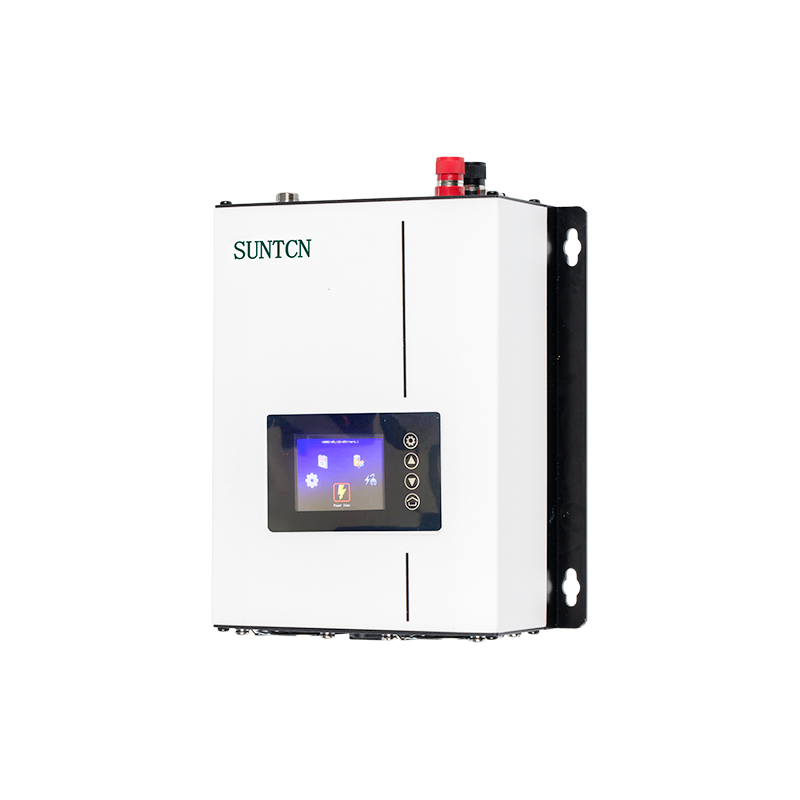
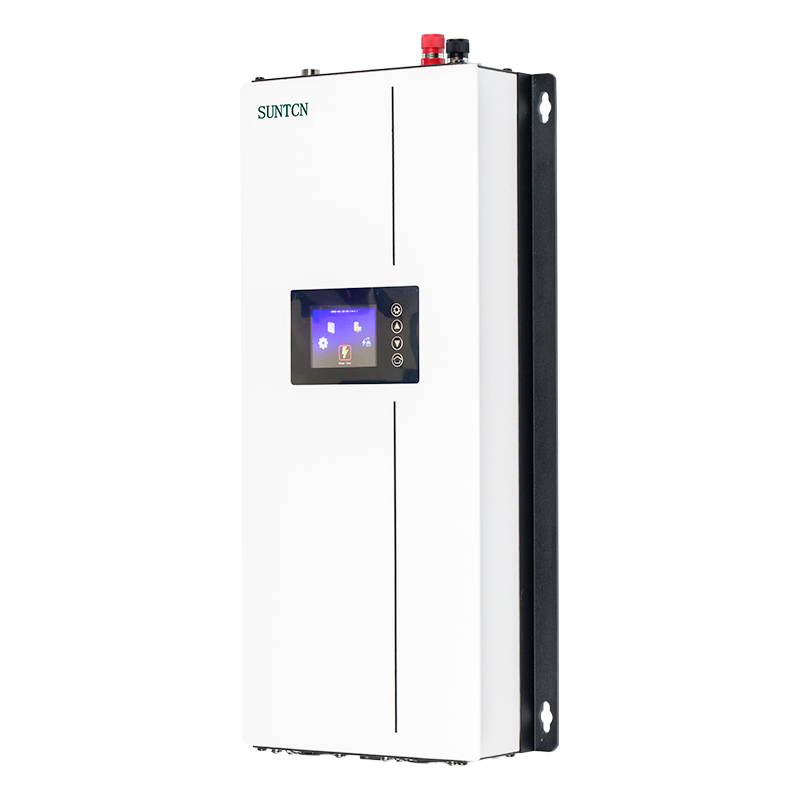
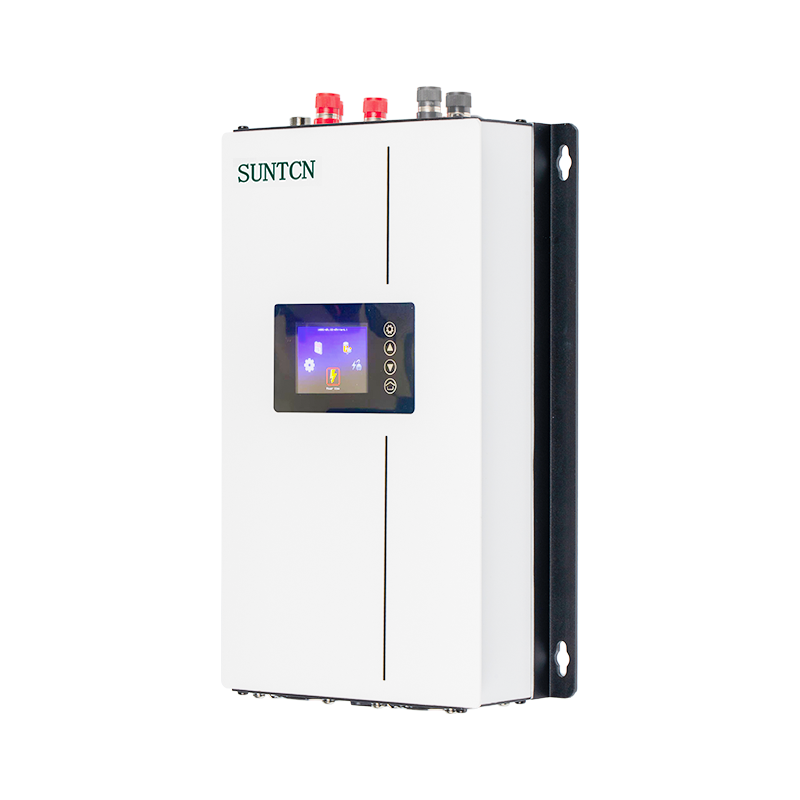
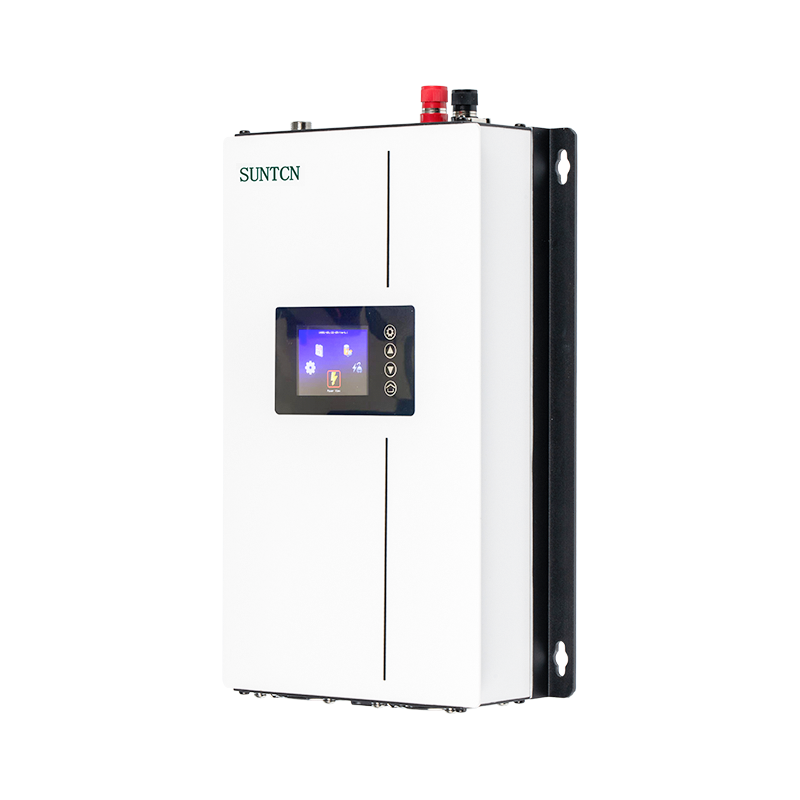
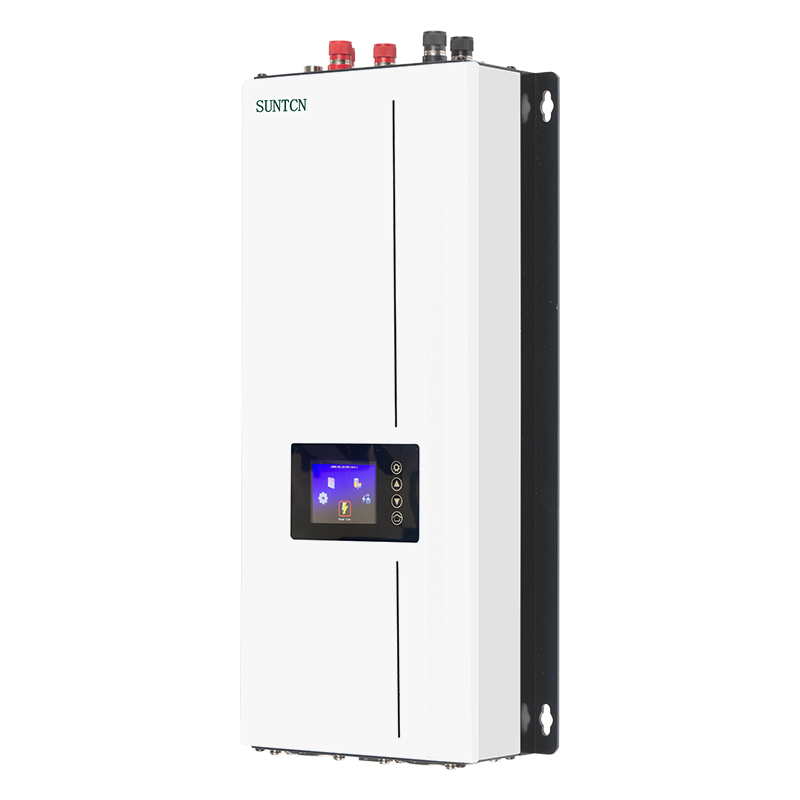
For residential solar installations, the single phase solar grid tie inverter is the consequential piece of equipment in the entire system. Solar panels generate direct current (DC), but your home runs on alternating current (AC), and the utility grid operates at a precisely regulated frequency and voltage. The grid tie inverter bridges this gap — converting DC power from your panels into grid-synchronized AC power that your appliances can use directly, and feeding any surplus back to the utility. Getting this component right determines not just how much energy your system produces, but how safely and reliably it operates over its 10 to 15 year working lifespan. This guide walks through everything a homeowner or installer needs to understand before specifying and purchasing a single phase grid tie inverter.
How a Single Phase Grid Tie Inverter Works
A single phase solar grid tie inverter performs several simultaneous functions that go well beyond simple DC-to-AC conversion. Understanding these functions helps clarify why specifications matter and what can go wrong when they are mismatched to the installation.
At its core, the inverter uses high-frequency switching transistors — typically insulated gate bipolar transistors (IGBTs) or MOSFETs — to chop the DC input into a rapidly switched waveform, which is then filtered and shaped into a smooth sine wave that precisely matches the grid's voltage and frequency. In countries, this means 230V at 50Hz or 120V at 60Hz depending on the region. The inverter continuously monitors the grid's phase angle and adjusts its output in real time to remain synchronized — a process called phase locking.
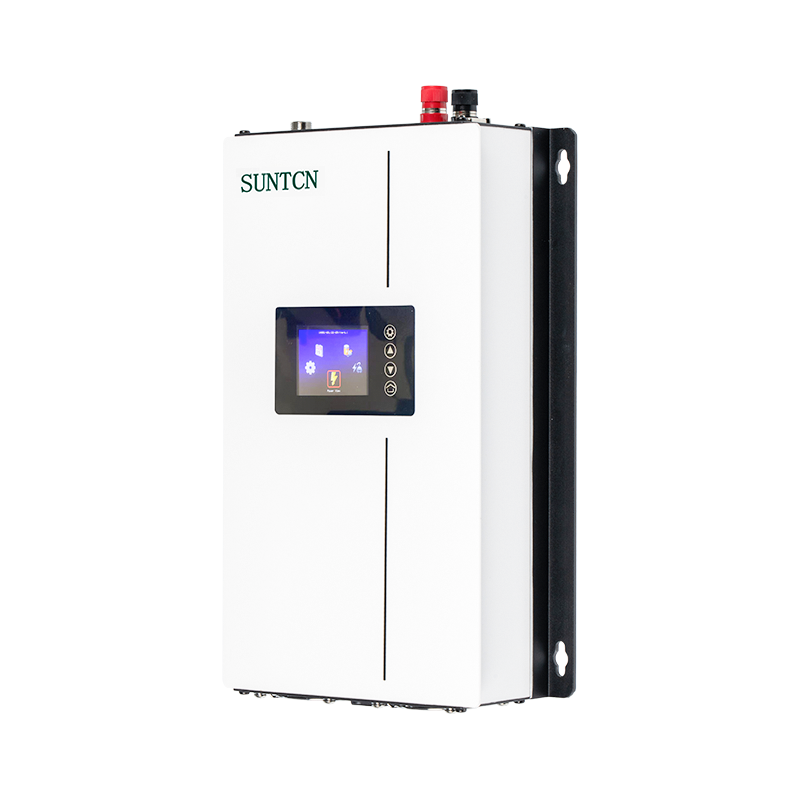
Simultaneously, the inverter runs a Power Point Tracking (MPPT) algorithm that continuously adjusts the DC input voltage to extract the available power from the solar array under changing irradiance and temperature conditions. This is critical because a solar panel's output voltage and current vary with sunlight intensity and cell temperature — the MPPT circuit ensures the inverter always operates at the point on the panel's IV curve where power output is highest.
Finally, the inverter monitors grid conditions and disconnects automatically if the grid goes down — a mandatory safety feature called anti-islanding protection that prevents the inverter from energizing lines that utility workers may be servicing. This function is governed by national grid codes and must be certified before any grid-connected inverter can legally operate.
Single Phase vs. Three Phase: Knowing Which You Need
Single phase power supply is standard for the vast majority of residential properties in countries. Your home receives a single live conductor, a neutral, and an earth — delivering power at the standard domestic voltage. Single phase grid tie inverters are designed specifically for this supply configuration and inject power into a single phase of the grid.
Three phase inverters distribute power equally across three phases and are typically used in commercial or industrial settings, or in countries where three phase supply is standard for residential properties above a certain size. Installing a three phase inverter on a single phase supply — or vice versa — is not just technically incompatible, it creates serious safety and regulatory compliance issues.
To confirm which type you need, check your electricity meter and consumer unit (breaker box). A single phase supply will have one main circuit breaker. If you see a three pole main breaker, you have three phase supply and need a three phase or multi-phase inverter. When in doubt, ask your utility or a licensed electrician before purchasing.
Key Specifications and What They Mean in Practice
Inverter datasheets can be dense with technical figures. The following table identifies the important specifications and their practical implications for a residential installation:
| Specification | Typical Range | Practical Significance |
| Rated AC Output Power | 1.5 kW – 10 kW | Must be sized to match your solar array's total peak wattage |
| Peak Efficiency | 95% – 98.6% | Higher efficiency means more usable energy from your panels |
| MPPT Voltage Range | 80V – 800V DC | Must encompass your array's operating voltage across all temperatures |
| Number of MPPT Inputs | 1 – 3 | More MPPTs allow panels on different orientations or with partial shading |
| Max DC Input Voltage | 500V – 1000V DC | Sets a hard ceiling on how many panels can be connected in series |
| THD (Total Harmonic Distortion) | Below 3% | Lower THD means cleaner power and better compatibility with sensitive appliances |
| Nighttime Power Consumption | Below 1W | Lower standby draw reduces parasitic losses over the inverter's lifespan |
| Communication Interfaces | RS485, Wi-Fi, Ethernet, Bluetooth | Determines monitoring capability and smart home/energy management integration |
Sizing the Inverter to Your Solar Array
Correct inverter sizing is one of the technically nuanced aspects of residential solar design, and it directly affects both system performance and return on investment. The general principle is that the inverter's rated AC output power should be approximately equal to — or slightly less than — the solar array's total DC peak wattage. However, several factors complicate this straightforward ratio.
The Clipping Ratio and DC Oversizing
In practice, solar panels rarely produce their rated peak power simultaneously. Losses from real-world irradiance, temperature derating, soiling, and cable resistance mean that a 5 kWp array might realistically deliver a peak of 4.2 to 4.5 kW to the inverter under typical operating conditions. Many system designers deliberately oversize the DC array relative to the inverter — a practice called DC oversizing or clipping ratio design. For example, connecting a 6 kWp array to a 5 kW inverter means the inverter clips (limits output) only during brief peak irradiance periods, while delivering more energy overall during the morning, evening, and overcast hours when panels operate below their rated peak. A clipping ratio of 1.2 to 1.3 (DC array to AC inverter power) is commonly used and often increases annual energy yield by 3 to 8% compared to a perfectly matched system.
MPPT String Voltage Calculations
Each string of panels connected to an MPPT input must operate within the inverter's MPPT voltage window under all expected operating conditions. Panel open-circuit voltage (Voc) rises as temperature drops — in cold climates, a string that appears within voltage limits on a summer day may exceed the inverter's DC input voltage on a cold winter morning, triggering overvoltage protection and shutting the inverter down. Conversely, the string's operating voltage must remain above the MPPT voltage even at operating temperature, when panel voltage is at its lowest. String sizing tools provided by inverter manufacturers automate these calculations, but the underlying physics must be understood to verify the outputs.
Transformer vs. Transformerless Inverter Designs
Single phase grid tie inverters are manufactured in two fundamental circuit architectures: transformer-based and transformerless. Each has distinct characteristics that affect safety, efficiency, weight, and installation requirements.
Transformer-based inverters use a galvanic isolation transformer to electrically separate the DC solar circuit from the AC grid output. This isolation provides robust protection against DC injection into the grid and allows the use of ungrounded solar arrays. However, transformers add weight (a 5 kW transformer inverter may weigh 25 to 35 kg), reduce efficiency by 1 to 2 percentage points, and increase manufacturing cost.
Transformerless inverters eliminate the isolation transformer, achieving peak efficiencies of 97 to 98.6% and reducing unit weight to 8 to 15 kg for equivalent power ratings. This makes them far easier to wall-mount and handle during installation. The tradeoff is that transformerless designs require careful management of DC residual current and typically mandate that the solar array negative rail be grounded — a requirement reflected in their compliance with standards such as IEC 62109 and local grid codes. modern residential inverters sold in Europe, Australia, and increasingly in North America use transformerless architecture, as regulatory frameworks have evolved to accommodate them safely.
Installation Requirements and Grid Connection Compliance
Installing a single phase grid tie inverter is not a DIY task in jurisdictions. Grid connection regulations require that the inverter be installed by a certified electrician or solar installer, that the system be registered with the utility before commissioning, and that the inverter carry the appropriate local grid code certification. Failing to comply with these requirements can invalidate your home insurance, expose you to liability if grid faults occur, and prevent you from accessing feed-in tariff payments or net metering credits.
Before installation, confirm the following requirements with your utility and local authority:
- Grid code certification: In the UK, inverters must carry G98 or G99 certification. In Australia, inverters must appear on the Clean Energy Council approved product list. In the US, UL 1741 SA certification is required in many states.
- Export limitation settings: Some utilities require inverters to be configured with zero export or limited export modes, particularly in areas with constrained grid capacity. Confirm whether your inverter supports these modes via its communication interface.
- Metering arrangements: Net metering, gross metering, and feed-in tariff schemes each impose different metering infrastructure requirements. Confirm with your utility which scheme applies and whether a smart meter upgrade is needed.
- DC isolator and AC protection devices: codes require a dedicated DC isolator adjacent to the inverter, an AC isolator at the point of connection to the consumer unit, and surge protection devices (SPDs) on both the DC and AC sides in areas with lightning risk.
Monitoring, Performance Tracking, and Fault Diagnosis
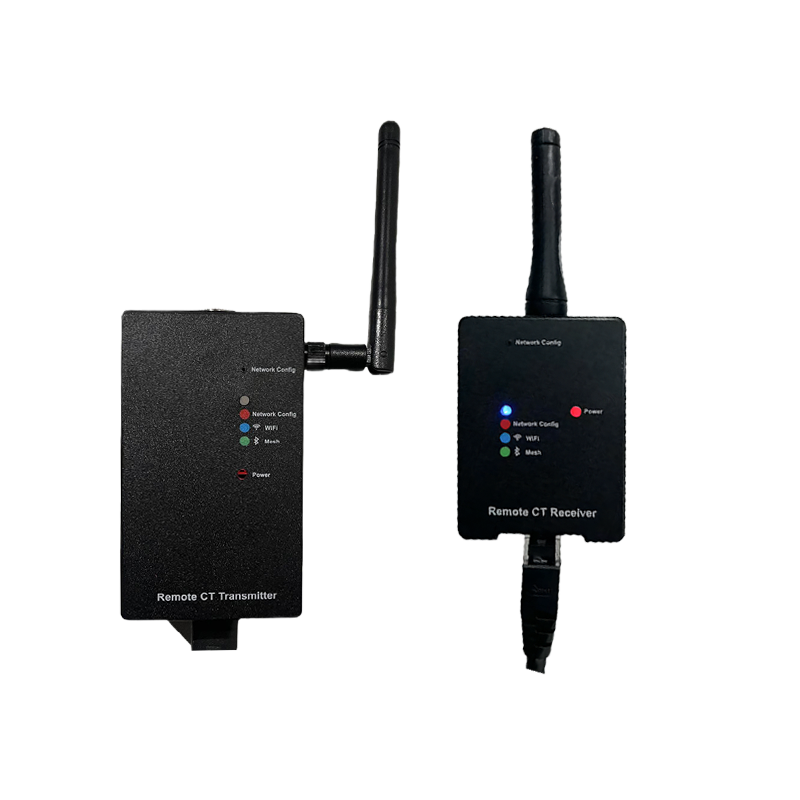
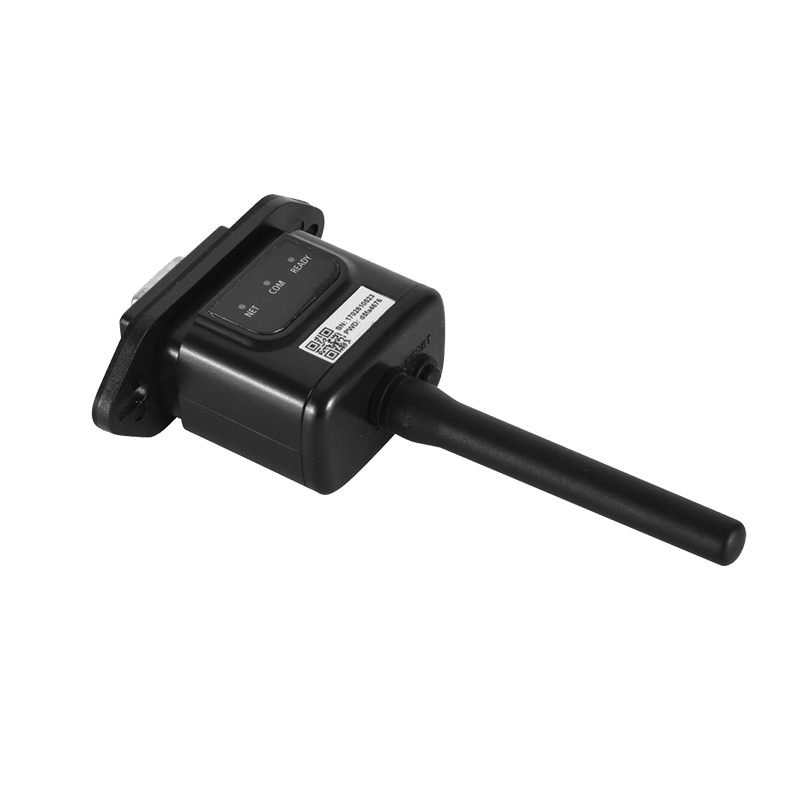
Modern single phase grid tie inverters include sophisticated onboard monitoring systems that record energy production data, operating parameters, and fault events in real time. Accessing this data — whether through a local display, a dedicated monitoring app, or integration with a home energy management system — is essential for verifying that your system performs as projected and for identifying performance degradation before it causes significant energy losses.
current inverter models transmit data via Wi-Fi or RS485 to a cloud-based monitoring portal where daily, monthly, and lifetime energy production figures are displayed alongside performance ratio metrics that compare actual output to theoretical yield under the same irradiance conditions. Significant deviations from expected performance ratios — typically anything below 75 to 80% — indicate a problem worth investigating, whether that is panel soiling, shading from new obstructions, a failed string, or inverter inefficiency.
Inverters also log fault codes that assist in diagnosis. Common fault events include grid voltage or frequency out of range (often caused by utility fluctuations rather than inverter faults), DC insulation resistance faults (indicating a ground fault in the panel array wiring), and overtemperature shutdowns (caused by inadequate ventilation around the inverter enclosure). Understanding how to interpret these fault codes — or ensuring your installer can do so remotely — prevents prolonged system downtime and protects your energy yield over the inverter's operational life.
Evaluating Brands and Warranty Terms
The inverter market ranges from established global manufacturers with decades of field data to low-cost entrants offering attractive pricing but uncertain long-term support. Given that an inverter is expected to operate continuously for 10 to 15 years, the manufacturer's financial stability and warranty support infrastructure are as important as the technical specifications on the datasheet.
- Standard warranty periods run from 5 to 10 years, with many premium brands offering optional extensions to 20 years for an additional fee. Always confirm whether the warranty covers parts only or includes labor and shipping costs for replacement units.
- Check whether the manufacturer has a local or regional service center in your country. An inverter covered by a 10-year warranty from a manufacturer with no local presence is effectively unwarranted when a fault occurs.
- Review independent reliability data from solar industry surveys — organizations such as PHOTON and Wood Mackenzie periodically publish inverter reliability rankings based on field failure rates across large installation portfolios.
- Confirm that the manufacturer commits to providing firmware updates for the life of the product. Grid code requirements change over time, and an inverter that cannot be updated to comply with revised grid standards may need to be replaced well before its mechanical lifespan is exhausted.
A single phase solar grid tie inverter is not merely a commodity component — it is the active brain of your solar energy system, operating continuously under demanding electrical and thermal conditions for over a decade. Investing adequate time in understanding its specifications, matching it correctly to your array, ensuring regulatory compliance, and choosing a manufacturer with genuine long-term support capability is the clearest path to a solar installation that delivers its projected returns reliably and safely throughout its entire working life.